Backend Development Services
Backend development services for APIs, integrations, data pipelines, and reliable product infrastructure built for scale...
Learn more →How we built the backend architecture for a rapidly growing Telegram gaming platform.

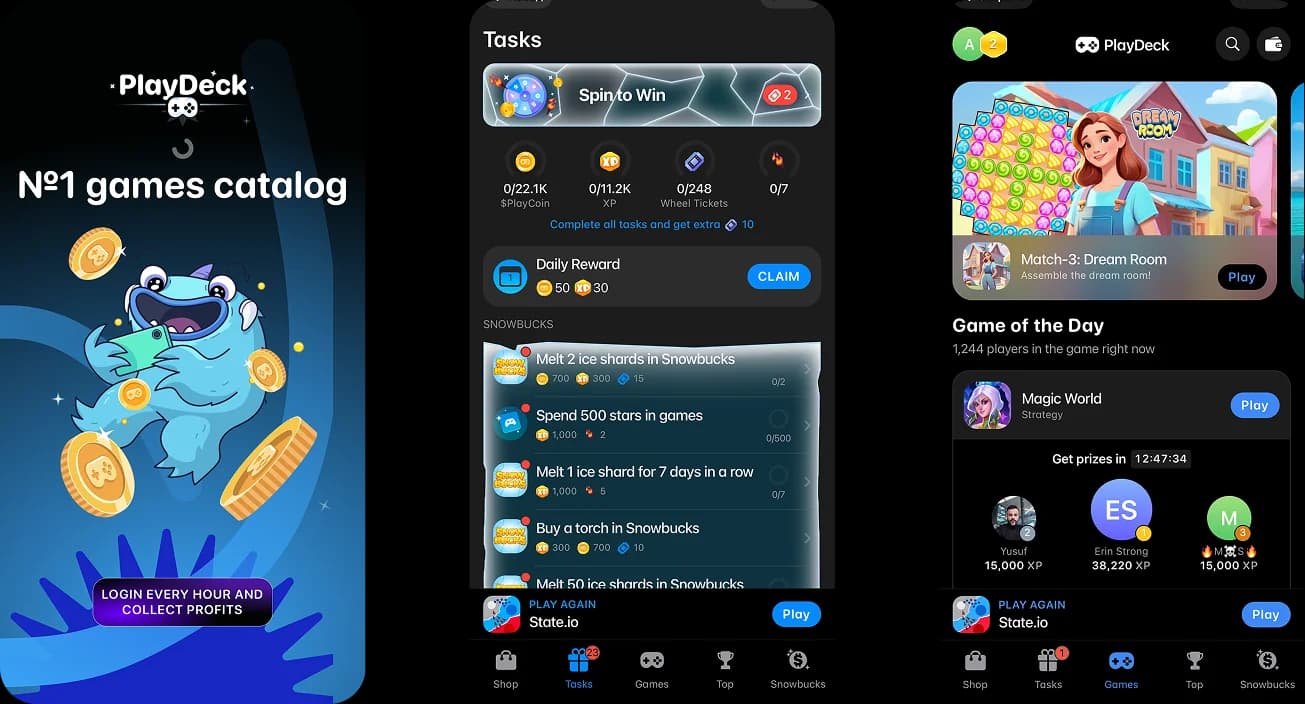
PlayDeck is more than a product catalog — it's the core infrastructure behind Telegram's emerging gaming ecosystem. As a major directory for mini-games and interactive experiences, PlayDeck connects players, developers, and monetization tools across a highly distributed, real-time environment.
When the team behind PlayDeck approached H-Studio, their goal was clear: build a secure, scalable, and modular backend system designed to handle high-volume, real-time interactions — while deeply integrating with Telegram's ecosystem (bots, Stars tokens, TON payments, and in-chat games).
The challenge was to deliver an enterprise-grade foundation with startup agility — a system ready to handle unpredictable growth without requiring rebuilds later.
PlayDeck was not a typical product build. The core risk was architectural: a standard MVP or monolithic backend would not have survived real-world usage inside Telegram's ecosystem.
Key risks at the decision stage:
The system had to be production-grade from day one, while still allowing startup-level iteration speed. This required architectural decisions that prioritized isolation, observability, and horizontal scalability early — not "later".
Telegram's ecosystem has over 700 million monthly users and a rapidly growing in-chat gaming scene. To support this scale, PlayDeck needed a backend capable of:
In short: real-time architecture, high-availability architecture with downtime-minimized deployments, and growth-ready scalability.
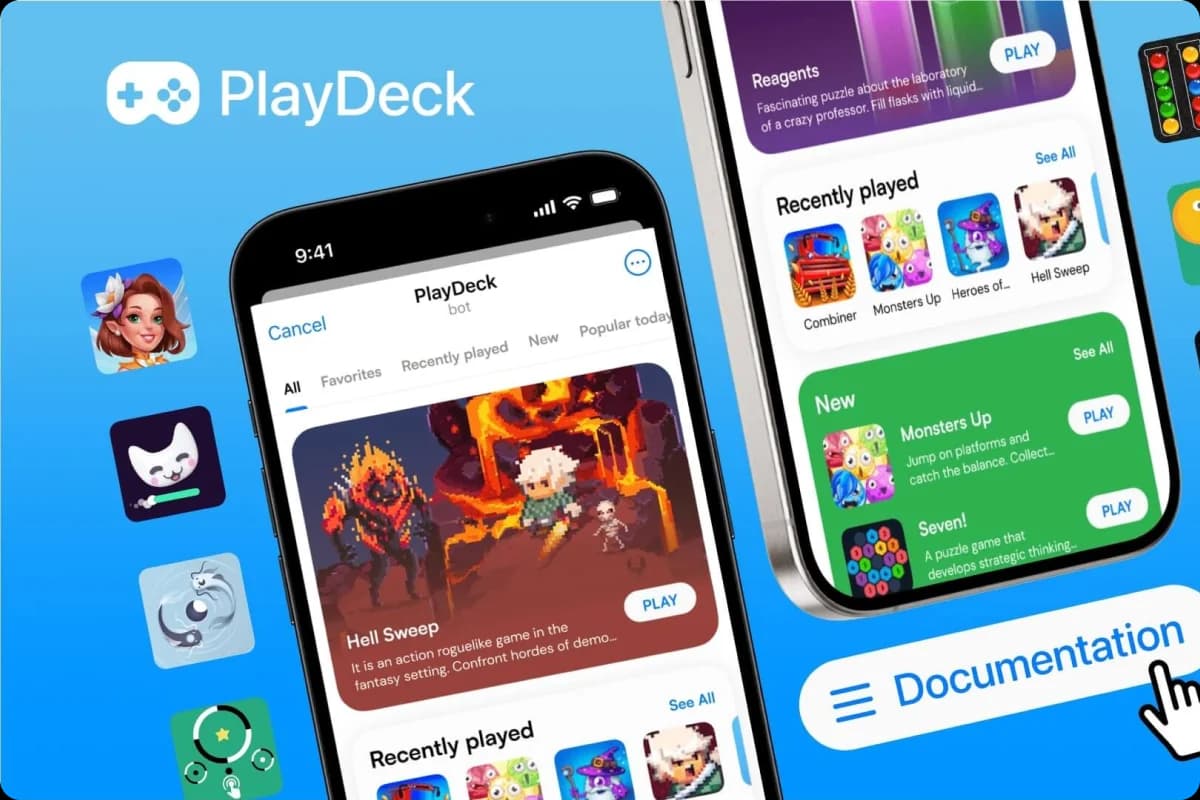
We designed and implemented PlayDeck's full backend architecture — from system design and data flow to deployment and monitoring — using a microservices-based architecture focused on speed, isolation, and observability.
We structured the platform as independent, domain-specific services:
Each service runs in an isolated container, with load balancing, centralized logging, and auto-scaling via Kubernetes.
To ensure transparency and reliability, we implemented full observability:
Continuous delivery pipelines were built to support rapid iteration with downtime-minimized deployment workflows.
The architecture was designed with multi-layered security:
One of the most technically complex aspects was deep integration with Telegram's internal ecosystem:
This setup enables real-time synchronization between chat activity, game sessions, and backend systems — effectively turning Telegram into a complete gaming platform.
PlayDeck successfully launched and became a core infrastructure component within a fast-growing Telegram gaming ecosystem, supporting:
The system now powers a global community of developers and players who build, share, and play — all within Telegram.
PlayDeck proves that even early-stage products can run on enterprise-level architecture without enterprise-level budgets. By combining modular microservices, event streaming, and automation, H-Studio helped create a platform that scales naturally — a perfect example of "Startup Engineering that Lasts."
Performance characteristics and scale depend on traffic patterns, usage scenarios, and operational context.
Explore our services that helped deliver this project.
Backend development services for APIs, integrations, data pipelines, and reliable product infrastructure built for scale...
Learn more →Professional REST and GraphQL API development for scalable, secure backend systems — focused on versioning, performance,...
Learn more →Selector page for DevOps services across platform ops, CI/CD, Kubernetes, IaC, SRE, audits, and advisory tracks.
Learn more →MVP development for startups and founder teams: validation-focused V1 delivery, launch scope, release planning.
Learn more →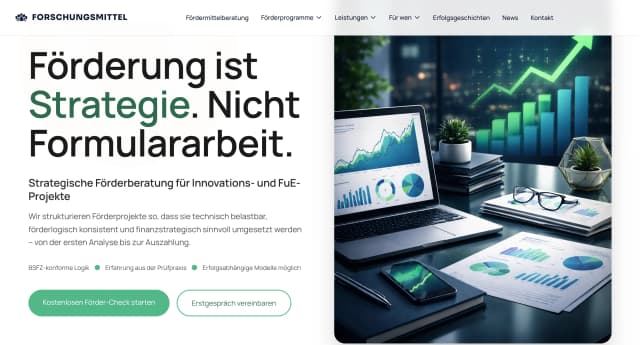
B2B funding website and connected product platform with client dashboard, team workspace, document workflow, and operational command center.
Inspection & Asset Management Platform - Internal survey and compliance system for facilities management with mobile inspection app and web-based admin platform.

Custom-built criminal defense platform with public authority site, digital intake, secure client portal, internal case operations, billing, and audit-ready workflow logic.
Real-Time Data Streaming Platform - High-performance data-streaming platform capable of processing millions of financial messages per second.
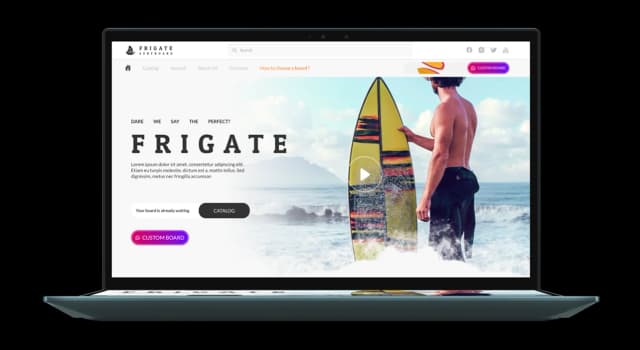
E-Commerce Platform for a Premium Surf Brand - Bringing craftsmanship and storytelling online.

Personalized Advertising & Credit Service Platform - Advanced financial services with real-time personalization.
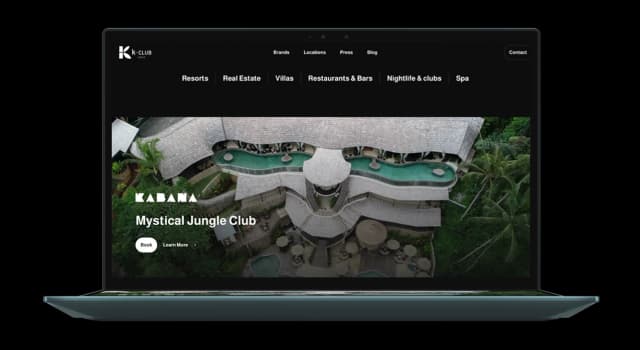
Digital Platform for Barefoot Luxury Experiences - From place to platform.
Enterprise Data Analytics Platform - Comprehensive data processing and analytics solution for Russia's largest bank.
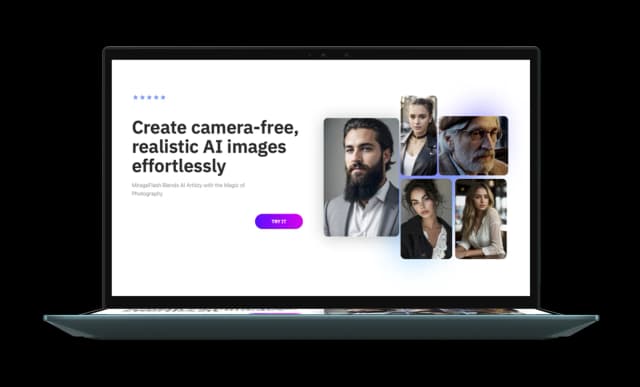
AI-Powered Visual Platform for Creative Expression - Fusing cutting-edge AI with intuitive design to revolutionize image creation for social media creators.

Event Management & Payment Processing Platform - Scalable event ticketing and payment processing system.

Building an intelligent platform that connects AI models with real-world applications.
Digital Experience for Earth-Conscious Development - Transforming a premium property concept into a conversion-driven digital platform.

Revolutionizing textile industry with IoT sensors and data analytics.