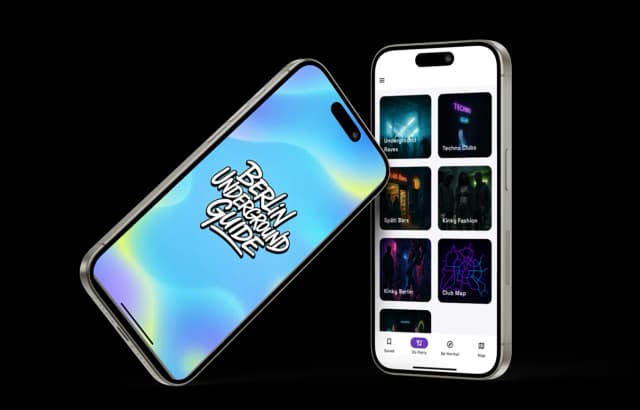
Backend Development Services
Backend development services for APIs, integrations, data pipelines, and reliable product infrastructure built for scale...
Learn more →How we built a scalable microservice architecture for secure identity verification
For a large financial institution, we developed an enterprise-grade identity verification and authentication system capable of handling millions of sessions per day — with high security standards, stable availability, and full auditability. The platform combines modern microservices, encrypted communication, and intelligent load balancing to enable real-time identity verification across web and mobile platforms.
This project operated in a security-critical enterprise environment where identity verification is a core trust mechanism.
In large financial institutions, authentication and identity validation systems are part of critical infrastructure. Failures do not result in degraded user experience — they create security exposure, compliance issues, and operational risk. As transaction volumes grow, tightly coupled or monolithic architectures become increasingly fragile.
Key considerations at the decision stage:
The objective was therefore to design a modular, microservice-based identity platform that treats security, availability, and auditability as first-class architectural concerns — not as add-ons.
A large financial institution needed a new authentication layer that:
In short: a modern, modular platform for critical security processes.
We developed independent services for:
Communication between services occurs asynchronously via message queues.
All services were implemented using Docker and operated in Kubernetes:
The system was developed with security standards aligned with regulated financial environments:
The platform was designed to flexibly integrate into:
Note: Client details, data types, and system scope have been partially anonymized due to confidentiality, regulatory, and data protection requirements. System performance and characteristics depend on deployment context and configuration.
Backend: Java 17 · Spring
Database: Oracle
Infrastructure: Docker · Kubernetes
Messaging: asynchronous queues
Duration: 18 months
Team: 5 engineers
The architecture developed in this project sets standards for modern security-critical systems. The same principles — modularity, security, scalability, and clear responsibilities — now flow into our startup and enterprise projects, where reliability and data protection are crucial from the start.
Explore our services that helped deliver this project.
Backend development services for APIs, integrations, data pipelines, and reliable product infrastructure built for scale...
Learn more →Selector page for DevOps services across platform ops, CI/CD, Kubernetes, IaC, SRE, audits, and advisory tracks.
Learn more →AI automation services for B2B product teams: workflows, LLM integrations, RAG systems, AI dashboards, and operational a...
Learn more →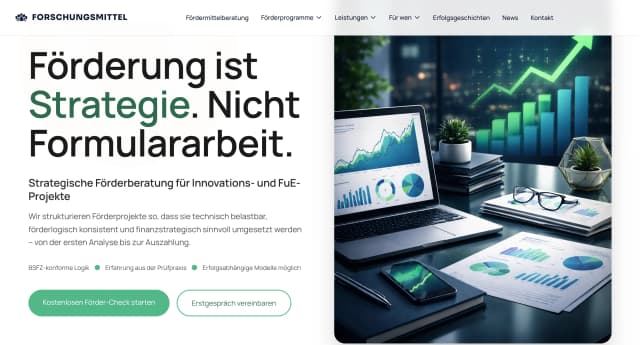
B2B funding website and connected product platform with client dashboard, team workspace, document workflow, and operational command center.

Inspection & Asset Management Platform - Internal survey and compliance system for facilities management with mobile inspection app and web-based admin platform.

How we built the backend architecture for Telegram's fastest-growing gaming platform.

Custom-built criminal defense platform with public authority site, digital intake, secure client portal, internal case operations, billing, and audit-ready workflow logic.

Real-Time Data Streaming Platform - High-performance data-streaming platform capable of processing millions of financial messages per second.

E-Commerce Platform for a Premium Surf Brand - Bringing craftsmanship and storytelling online.

Personalized Advertising & Credit Service Platform - Advanced financial services with real-time personalization.

Digital Platform for Barefoot Luxury Experiences - From place to platform.
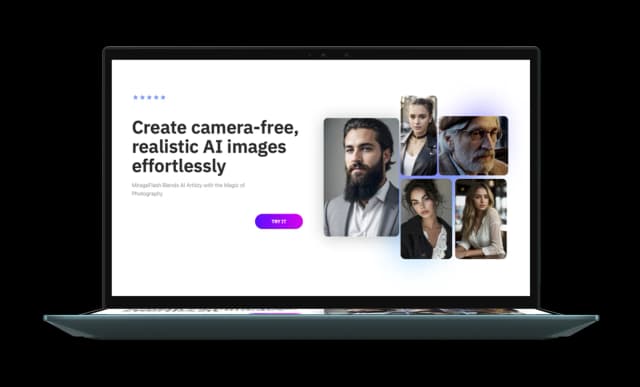
AI-Powered Visual Platform for Creative Expression - Fusing cutting-edge AI with intuitive design to revolutionize image creation for social media creators.

Event Management & Payment Processing Platform - Scalable event ticketing and payment processing system.

Building an intelligent platform that connects AI models with real-world applications.
Digital Experience for Earth-Conscious Development - Transforming a premium property concept into a conversion-driven digital platform.

Revolutionizing textile industry with IoT sensors and data analytics.