H-Studio logo
Start a project

AI that behaves in production — not just in the demo

Shipping an AI feature is the easy part. Knowing it still works after a model update, a prompt change or a new edge case is the hard part. We build the measurement layer — evals, observability, guardrails and cost visibility — so quality is a number you can watch, regressions get caught before users feel them, and provider bills stop being a surprise.

Where this sits

Build it, expose it, keep it correct

Three different jobs, three pages. AI Automation builds AI features into your systems; Agent-Ready Architecture exposes your product to external agents; this is the reliability and QA layer — the part that answers "is it still working, and how do we know?"

  • Not AI automation

    AI automation builds the AI feature. This keeps it correct, safe and affordable once it's live. Different jobs, often run in sequence.
  • Not a managed ops desk

    We build the eval and observability layer so your team can operate it; ongoing upkeep runs through an Engineering Partnership or Platform Support retainer — you own the dashboards. Honest up front, so nobody buys a managed-ops promise we don't make.

Build it (AI Automation) / expose it (Agent-ready) / keep it correct (this) — one reliability layer, distinct intent.

01  ·  Operating model

How we approach it — numbers, not vibes

Quality you can measure, regressions you can catch, costs you can see — built at the boundary, vendor-neutral.

  • 01Define "good" before you monitor it — you can't measure output quality without first deciding what good looks like. We set that with you, then build to it.
  • 02Representative inputs, not happy-path demos — evals run on the messy inputs production actually sees, not the three examples that looked great in the pitch.
  • 03Guardrails as architecture, not prompt-pleading — validation, grounding checks and policy enforcement live at the system boundary, where they hold.
  • 04Cost is a first-class signal — token spend is observable and alertable from day one, so a runaway bill is a notification, not a month-end shock.
  • 05Vendor- and model-neutral — we observe and evaluate regardless of provider, so you can switch models without losing your safety net.
02  ·  What we build

What we build

01

Eval harness

Automated evaluation so you can change prompts and models without breaking quality. · Evaluation on representative, production-like inputs · Regression detection across prompt and model changes · Quality scoring tied to your definition of good · Promptfoo / Ragas-based, reproducible runs

02

Observability & tracing

See what the model or agent actually did, not what you hoped it did. · Full traces of prompts, responses and tool calls · Latency, token use and failure-path visibility · Per-feature and per-user breakdowns · Langfuse / Helicone / OpenTelemetry

03

Guardrails

Enforced at the boundary, not requested in a prompt. · Input and output validation · Grounding / hallucination checks where outputs must be sourced · PII and policy filtering · Fallback paths when confidence is low

04

Cost & usage monitoring

Provider bills that stop being a surprise. · Token spend visibility per feature and per workflow · Runaway-cost alerting and budgets · Cost attribution your finance team can read

05

Audit trails

Traceable AI-assisted actions, ready for review. · Logged inputs, outputs and decision points · Record of AI-assisted actions that affect users · Evidence an auditor or compliance team can follow (ties to AI Act readiness)

06

AI in the deploy pipeline

Quality gated before release, not discovered after. · Evals run in CI before a prompt or model change ships · Block-on-regression so quality can't silently drop · A safety net for model and provider migrations

03  ·  How we work

How we work

  1. Step 01

    Reliability review

    We map your AI features, current failure modes, cost exposure and what "good output" means — and where you're currently flying blind.

  2. Step 02

    Eval & observability design

    We define the metrics, representative inputs and traces that matter, and the guardrails the system needs at its boundary.

  3. Step 03

    Implementation

    We build the harness, dashboards, guardrails and cost alerts, wired into your product and deploy pipeline in controlled slices.

  4. Step 04

    Handover (and optional upkeep)

    We hand over dashboards and an eval suite your team owns and can run. Ongoing watching — re-running evals, tuning guardrails, catching drift — fits inside a partnership where you want it.

04  ·  Outcomes

Outcomes we optimise for

AI reliability as numbers your team can act on — not a vibe nobody can defend.

05  ·  When it fits

When this makes sense

Choose this when:

  • You've shipped AI features and can't reliably tell if they're working
  • Provider costs are unpredictable or climbing with no visibility
  • A prompt or model change quietly degraded output and you found out late
  • Hallucinations or wrong outputs are reaching users with nothing catching them
  • You're about to switch models or providers and need a regression net
  • You need evidence that AI behaves before an enterprise or compliance review
06  ·  Problem

Why AI works in the demo and drifts in production

Most AI features don't fail at launch. They drift after it.
Ongoing & upkeep

How the "ops" part actually runs

We're deliberate about this, because the market oversells it. We don't run a 24/7 managed AgentOps desk — for a senior studio, that's a promise that erodes the moment it scales. What we do instead: build the eval and observability layer so your team can operate it, and offer ongoing upkeep — re-running evals, tuning guardrails, watching drift and cost — through an Engineering Partnership or Platform Support retainer.

  • Build / setup is project-shaped — harness, dashboards, guardrails, CI — delivered directly
  • Ongoing watching runs through Engineering Partnership or Platform Support, on terms you can rely on
  • You own the dashboards and the eval suite — not a black-box service desk

Honest up front: nobody buys a managed-ops promise we don't make.

Reference stack

Default choices — with opt-in pieces where needed

Default choices
  • Eval harness (Promptfoo / Ragas)
  • Observability & tracing (Langfuse / Helicone / OpenTelemetry)
  • Structured audit logging
  • Cost / token monitoring and alerting
  • Boundary guardrails (validation, grounding, PII filtering)
Added where needed
  • Evals in CI / block-on-regression
  • Custom scoring models for domain-specific quality
  • Provider abstraction for model migration
  • Human-review queue for low-confidence outputs

Vendor- and model-neutral. The harness and observability are the default; CI gating, custom scoring and review queues are added where the workflow needs them — never tied to a provider.

How we already ship AI

Assisted features kept under human review

Full case library
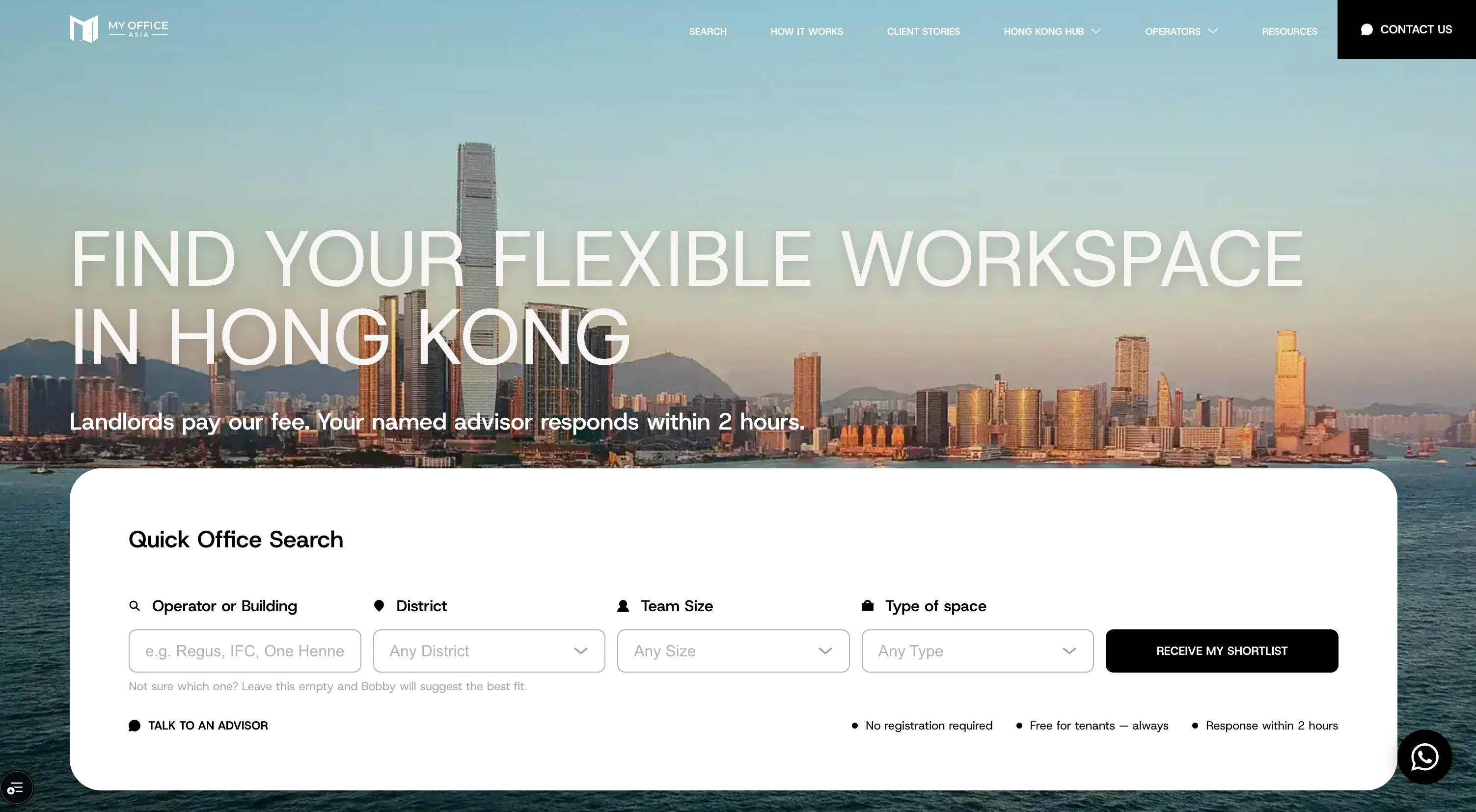
  1. 01My Office Asia  -  Flex Workspace Brokerage with Admin CMSDigital Experience & Brand SystemsMy Office Asia - Flex Workspace Brokerage with Admin CMSBrokerage platform for Hong Kong's flex-office market with editorial catalogue, advisor positioning, white-label-ready architecture and a custom admin with AI-assisted editorial helper.Read plate
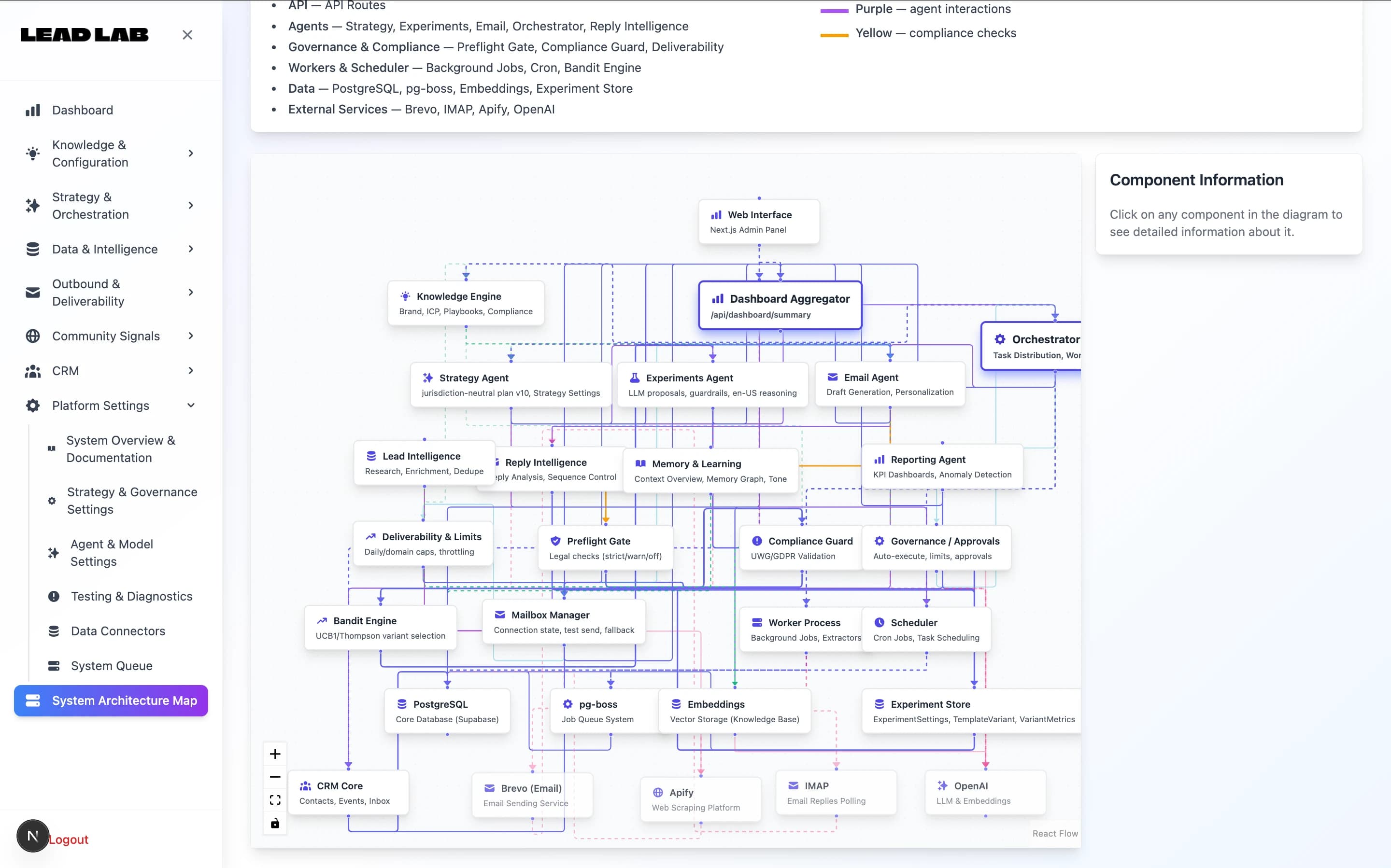
  2. 02Lead Lab  -  B2B Revenue Operations Platform with Automation & Intelligence FeaturesStartup EngineeringLead Lab - B2B Revenue Operations Platform with Automation & Intelligence FeaturesCustom B2B revenue operations platform for structured growth, experimentation and CRM-centric workflows — with optional automation and AI-assisted intelligence layered on top, under human oversight.Read plate
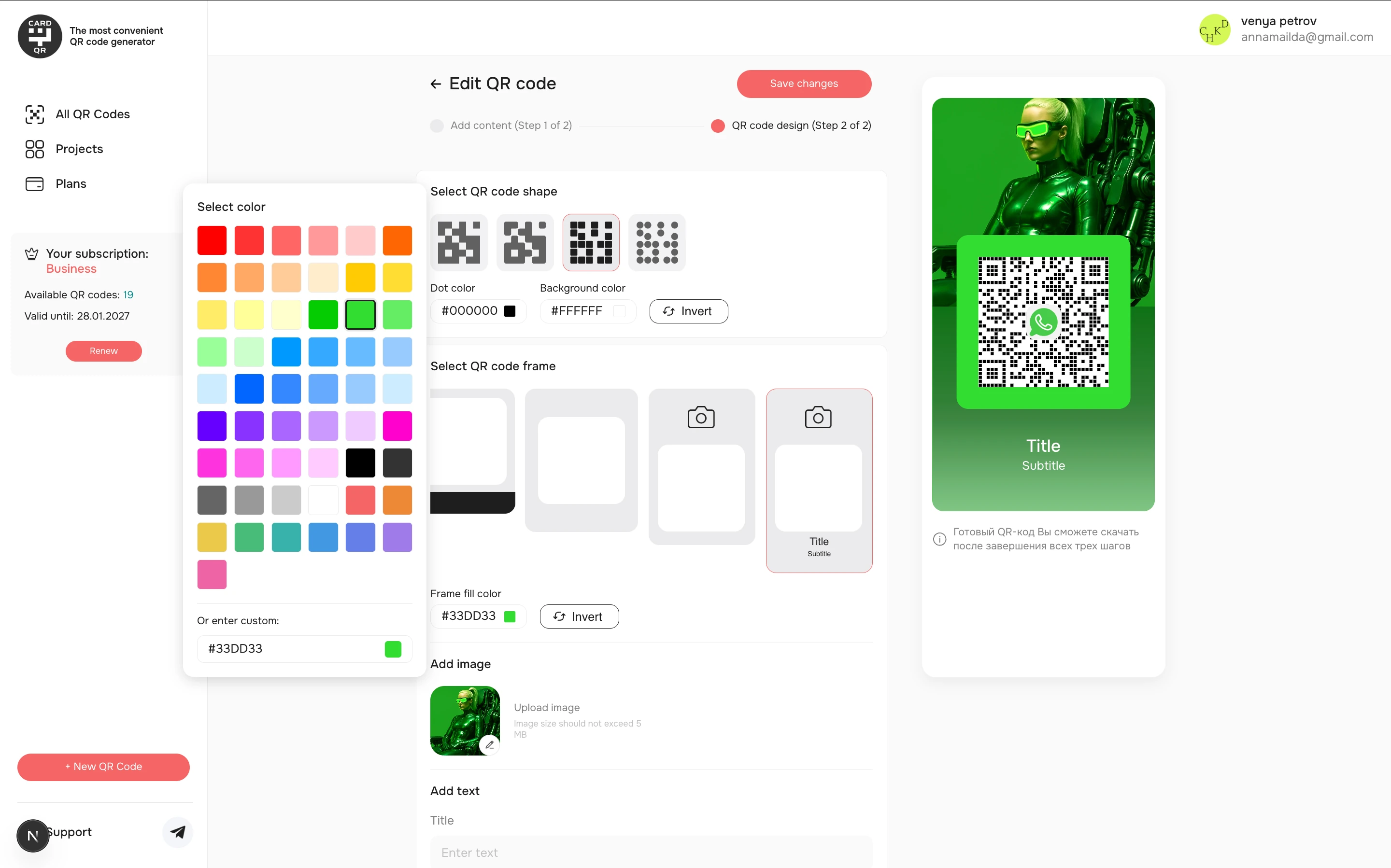
  3. 03Web Page Generator  -  SaaS Publishing Platform for QR & URL CampaignsStartup EngineeringWeb Page Generator - SaaS Publishing Platform for QR & URL CampaignsSaaS publishing platform for generating dynamic web pages connected to QR codes and custom URLs, with structured page management, campaign logic, and admin-controlled publishing workflows.Read plate
  4. 04Vulken FMEnterprise-Grade FoundationsVulken FMFacilities management platform for mobile inspections, asset records, compliance checks, and internal operational reporting — combining a field app with a web-based admin system.Read plate
FAQ

FAQ

  1. It's the reliability layer for AI in production: measuring output quality (evals), seeing what the model actually did (observability), enforcing limits (guardrails) and watching cost — so you know your AI is still working, and can prove it.

  2. No. AI automation builds the AI feature. This keeps it correct, safe and affordable once it's live. Different jobs, often run in sequence.

  3. We don't run a managed ops desk. We build the eval and observability layer so your team can operate it, and offer ongoing upkeep through an Engineering Partnership or Platform Support retainer. We're upfront about that rather than overselling managed ops.

  4. Evals on representative, production-like inputs, scored against your definition of good — with regression detection across prompt and model changes. Numbers, not vibes.

  5. Yes. We make token spend visible per feature and add budgets and alerts, so cost is a notification you act on, not a surprise at month end.

  6. That's a core use case. A regression eval suite acts as a safety net so you can switch models or providers and see immediately if quality moves.

  7. The audit trails and evaluation evidence feed directly into AI Act readiness and security reviews. See EU AI Act Readiness for the compliance-specific work.

  8. Everything — the eval suite, dashboards and guardrail config live in your repository and run under your accounts. No black-box dependency.

Adjacent plates

Related services

  1. 01AI AutomationThe AI features this layer keeps reliable.Open
  2. 02Agent-Ready ArchitectureAgent actions that need guardrails and audit.Open
  3. 03EU AI Act ReadinessWhere the evaluation evidence and audit trails feed compliance.Open
  4. 04Platform Support & MaintenanceWhere ongoing eval and monitoring upkeep lives.Open
  5. 05Data Engineering & AnalyticsThe data and logging layer behind it.Open
AI already misbehaving?

AI integration already misbehaving?

Runaway provider bill, hallucinations reaching users, a prompt change that broke output and no eval harness to catch it — that's a triage situation. See Software Rescue for a 48-hour triage flow.

Software Rescue & Take-over
Related articles

Keep reading from the blog.

More insights and best practices on this topic.

View all articles

H-Studio builds the reliability layer for AI in production — eval harnesses, LLM observability and tracing, boundary guardrails, cost monitoring and audit trails for SaaS products, agents and internal tools. We make AI output quality measurable, catch regressions before users feel them, and keep provider costs visible — vendor-neutral, with ongoing upkeep through partnership rather than a managed-ops desk.