H-Studio logo
Start a project

Make your product agent-ready — usable by AI agents, only where you allow it

MCP endpoints, machine-readable contracts and structured data so external AI agents and LLMs can find, read and operate your product — with the same permission, audit and guardrail discipline as the rest of the system.

Scope of this page

Where agent-readiness sits

This isn't AI inside your product for your team, and it isn't visibility in AI answers. It's about opening your product safely to the outside — to external agents and LLMs, with permission and audit on every action.

  • Not AI automation

    AI automation puts AI to work inside your product, for your team. Agent-ready exposes it outward, to external callers.
  • Not GEO

    GEO makes your brand citable in AI answers. Agent-ready makes your product operable by agents. Different goals, often run together.

Find you / cite you / use you — search engines find you (SEO), LLMs cite you (GEO), agents use you (agent-ready).

01  ·  Operating model

How we expose a product to agents safely

A delivery model focused on boundaries, permissions and proof — not on bolting an agent onto a raw API.

  • 01Permission before capability — we define what an external agent may read, do and never touch before anything is exposed.
  • 02Expose actions, not databases — agents get scoped tools through a controlled server, never raw data, admin access or shared API keys.
  • 03Human approval where it matters — irreversible or side-effectful actions stay behind review or confirmation, the same way your operators' flows already work.
  • 04Audit everything — every agent-initiated action is logged, attributable and reviewable: the same evidence trail a compliance review needs.
  • 05Standard, not lock-in — built on the open MCP standard, vendor- and model-neutral. Any agent, any provider, no proprietary gateway you can't leave.
02  ·  What we build

What we build

01

MCP endpoints & agent interface

A controlled interface that exposes selected actions to external agents. · Scoped tools, not raw API surface · Per-action permissions and rate limits · Read-only and action-capable surfaces separated · Built on the open MCP standard · Works with any compliant agent or assistant

02

Machine-readable API contracts

Typed, versioned, documented contracts an agent — or your next senior hire — can consume without tribal knowledge. · OpenAPI / typed schemas · Versioning and deprecation policy · Predictable errors and status semantics · Examples an agent can actually parse · Contracts that survive refactors

03

Agent permissions & guardrails

Your existing permission discipline extended to non-human callers. · Scopes per agent and per action · Approval gates on sensitive operations · Rate limits and abuse protection · Fallback paths when confidence or authority is insufficient · Clear ownership of every exposed capability

04

Audit trails for agent actions

Every agent action traceable and reviewable, ready for compliance and debugging. · Who (which agent / identity) did what, when · Inputs, outputs and decision points logged · Reversible record of side-effectful actions · Exportable evidence for auditors and internal review

05

LLM legibility

So your product and brand are discoverable and citable by LLMs, not invisible. · Structured data (schema.org / JSON-LD) · llms.txt and machine-readable site context · Clean semantic structure across key pages · Entity and source clarity for citation · Coordinated with your SEO / GEO layer

06

Agent-facing documentation

Docs written to be consumed by agents and read by the humans onboarding later. · Tool and action descriptions agents can reason over · Auth and scope documentation · Worked examples and edge cases · Human onboarding guide in the same source of truth

03  ·  How we work

How we work

  1. Step 01

    Surface mapping

    We map what exists, what could be exposed, and what must never be reachable by an agent — actions, data, roles and risks.

  2. Step 02

    Boundary design

    We define scopes, permissions, approval points and fallback behaviour before any interface is built.

  3. Step 03

    Interface implementation

    We build the MCP server, contracts and structured data in controlled slices — connected to your product, never bypassing its rules.

  4. Step 04

    Adversarial review

    We test what an agent can actually do: abuse paths, over-broad scopes, prompt-driven misuse, and whether guardrails and human gates hold.

  1. 05
    Handover & monitoring

    We document scopes, contracts, audit points and maintenance ownership, and set up the logging your team needs to watch agent behaviour over time.

04  ·  Outcomes

Outcomes we optimise for

Measurable readiness for the agent era — not a demo MCP server.

05  ·  When it fits

When agent-ready architecture makes sense

Choose this service when:

  • Your customers or partners want to reach your product through their own AI agents or assistants
  • You want your product and brand to surface in LLM answers, not only in search
  • You expose actions — booking, ordering, lookups, status changes — that agents could perform on a user's behalf
  • You need agent access without handing over raw API keys or admin rights
  • You're building a platform others will integrate with in the agent era
  • Compliance requires every automated action to be logged, attributable and reviewable
06  ·  Problem

Why "agent-ready" usually goes wrong

Most agent-ready work fails the same way early API work did — by exposing too much, too bluntly.
EU AI Act & data protection · phased application 2024–2028

Technical readiness for products agents can act on

Exposing your product to external agents creates a new surface of automated actions and data access. Where an agent-assisted action affects users, the same transparency, oversight and audit expectations apply as for any AI-assisted decision — under the EU AI Act and GDPR. Most B2B product surfaces are not automatically high-risk, but teams still need risk screening, transparency on what agents may do, data-exposure visibility and audit trails. We build the technical foundations so that work has something to review.

  • Initial screening of agent-exposed actions: what an agent can do, what data it can reach, what stays off-limits
  • Transparency documentation: which actions are agent-callable, under which scopes, with which approval points
  • Data-exposure visibility: which agents and providers can see which data, in which regions
  • Audit trails for agent-initiated actions that affect users
  • Human-oversight evidence on irreversible or sensitive operations

We do not run conformity assessments, formal classification or legal opinions. Formal interpretation stays with your legal or compliance advisors — we build the architecture and evidence so an auditor or internal compliance team can review it without a quarter-long retrofit. An agent-exposure readiness review is available as a standalone engagement (typically 2–3 weeks). Note: the AI Act timeline shifted with the Digital Omnibus (May 2026) — see our EU AI Act Readiness page for the current detail.

Exposure is an architecture decision

MCP, structured contracts or LLM legibility — chosen by who's calling and what's at stake

Exposure is an architecture decision, not a checkbox. Not everything should be agent-reachable, and the right interface depends on who's on the other side.

  • MCP server — when external AI agents and assistants should operate your product through standard tooling
  • Structured / typed contracts (OpenAPI, GraphQL) — when integrations are code-driven, not agent-driven; agents can still consume them, but the contract comes first
  • llms.txt + structured data — when the goal is LLM discovery and citation, not actions
  • Read-only vs action-capable — decided per surface; many products should start read-only and earn write access
  • Closed by default — some surfaces stay completely off-limits to agents, and that's a valid, deliberate outcome

We decide per use case in the architecture phase — including hybrid setups where some surfaces are agent-callable and others stay strictly internal.

Reference stack

Default implementation choices — with opt-in pieces where the surface needs them

Default choices
  • MCP server (TypeScript / Python SDK)
  • OpenAPI / typed contracts
  • Scoped tokens & OAuth
  • Structured data (schema.org / JSON-LD)
  • llms.txt
  • Audit logging (structured logs / OpenTelemetry)
Added where needed
  • Agent gateway / proxy with rate limiting
  • Per-agent identity & consent flows
  • Eval harness for agent-action correctness
  • Sandboxed action execution
  • Human-approval queue UI

Vendor- and model-neutral. The MCP standard and your own contracts stay the default; gateways, per-agent identity and eval harnesses are added only where the surface genuinely needs them — never to lock you to a provider.

Foundations agent-readiness builds on

The architecture agent access sits on top of

Full case library
  1. 01Vulken FMEnterprise-Grade FoundationsVulken FMFacilities management platform for mobile inspections, asset records, compliance checks, and internal operational reporting — combining a field app with a web-based admin system.Read plate
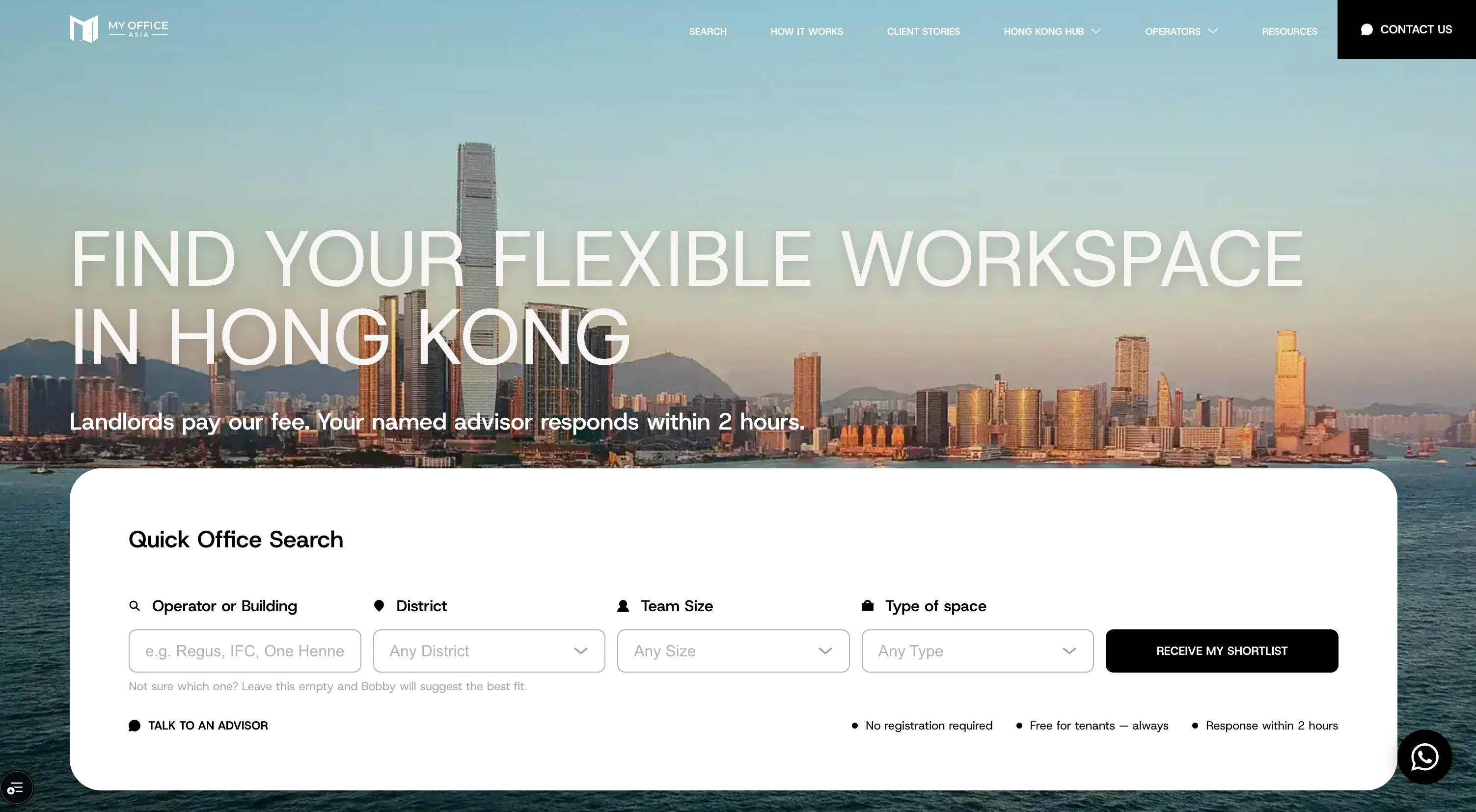
  2. 02My Office Asia  -  Flex Workspace Brokerage with Admin CMSDigital Experience & Brand SystemsMy Office Asia - Flex Workspace Brokerage with Admin CMSBrokerage platform for Hong Kong's flex-office market with editorial catalogue, advisor positioning, white-label-ready architecture and a custom admin with AI-assisted editorial helper.Read plate
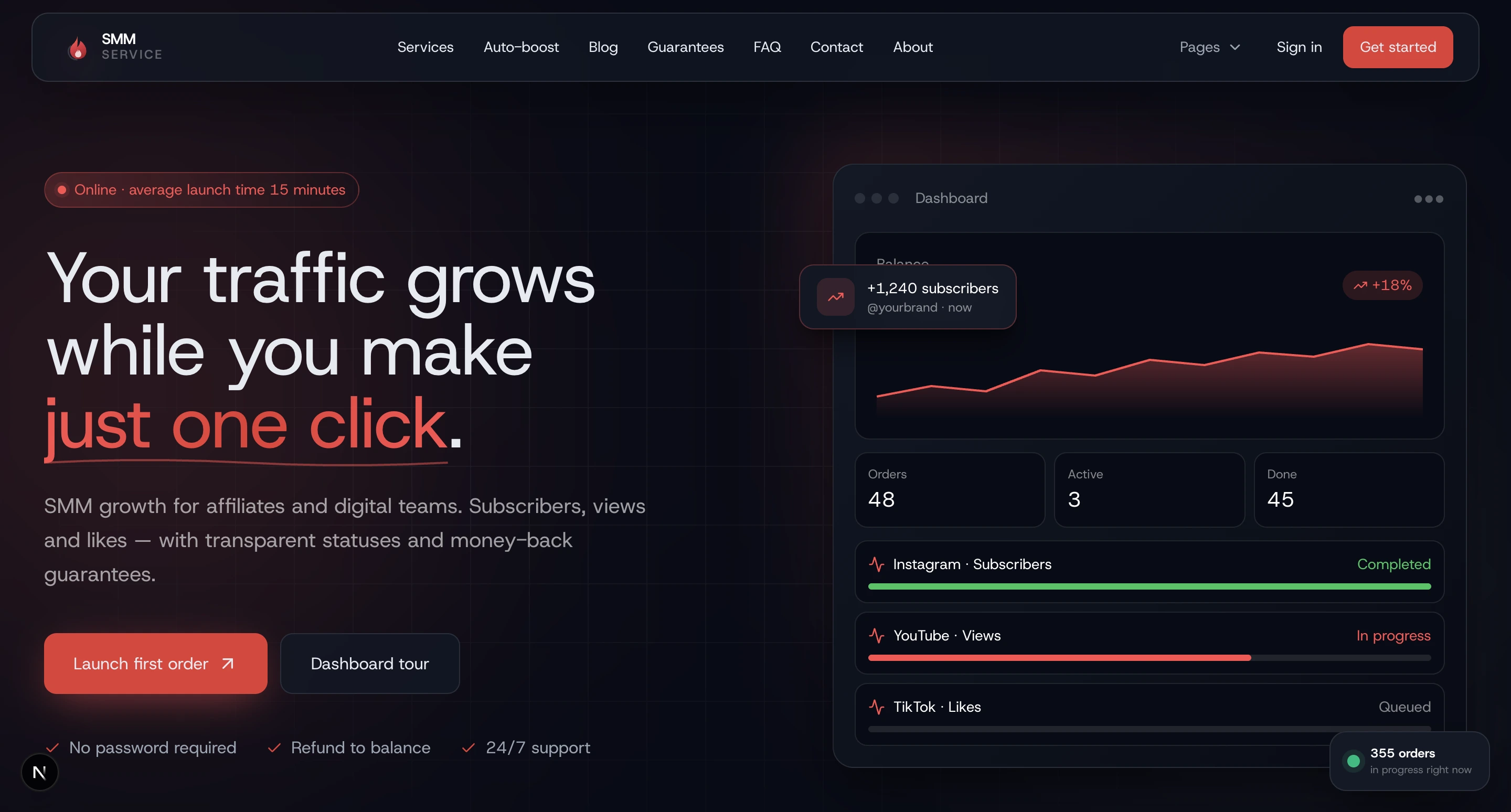
  3. 03Creator Marketing Platform  -  Engagement Services MarketplaceStartup EngineeringCreator Marketing Platform - Engagement Services MarketplaceEnd-to-end engineering for a multi-tenant creator marketing platform: Java Spring backend, Next.js dashboard, admin console, and a provider-aggregated catalog of 1,200+ services across thirteen platforms.Read plate
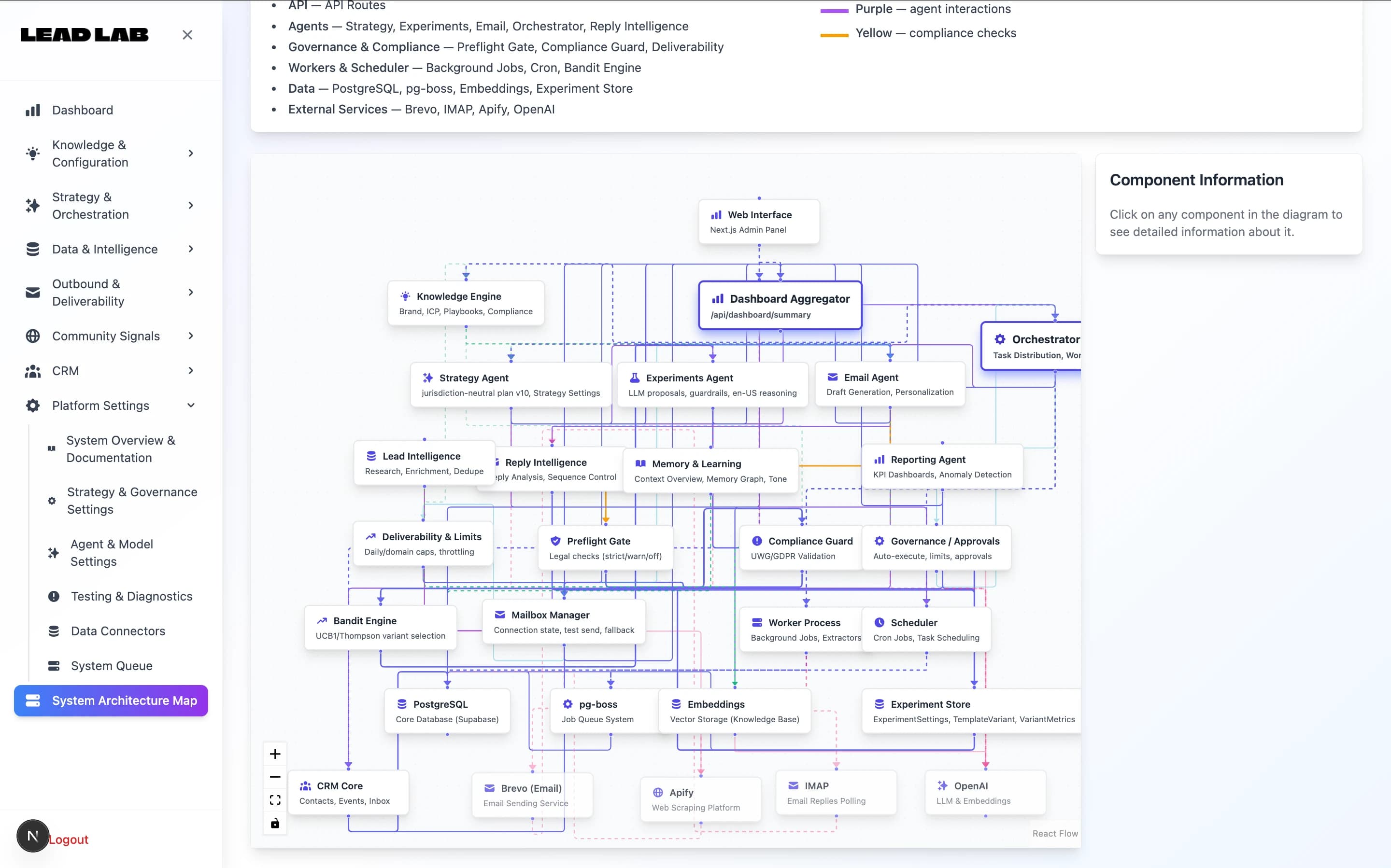
  4. 04Lead Lab  -  B2B Revenue Operations Platform with Automation & Intelligence FeaturesStartup EngineeringLead Lab - B2B Revenue Operations Platform with Automation & Intelligence FeaturesCustom B2B revenue operations platform for structured growth, experimentation and CRM-centric workflows — with optional automation and AI-assisted intelligence layered on top, under human oversight.Read plate
FAQ

FAQ

  1. It means external AI agents and LLMs can discover, read and — where you allow it — operate your product through controlled interfaces, with permissions and an audit trail on every action.

  2. No. AI automation puts AI to work inside your product for your team. Agent-ready architecture exposes your product safely to external agents and LLMs. Different direction — often used together.

  3. Yes. We build MCP servers that expose scoped actions to external agents, with permissions, rate limits and audit — built on the open standard, not a proprietary gateway.

  4. It is, if done with raw API keys. We expose scoped actions, never raw data or admin access, with rate limits, approval gates and a full audit trail. The boundary is designed before anything is exposed.

  5. The legibility layer — structured data, llms.txt, clean semantics — makes your product and brand discoverable and citable by LLMs. It coordinates with your SEO / GEO work rather than replacing it.

  6. The foundations (clean contracts, structured data, machine-readable docs) pay off immediately and ship with any build. A full agent interface makes sense once customers, partners or your own roadmap involve agents acting on your product.

  7. Just the parts you choose. Most products should start read-only and add action-capable surfaces deliberately. Some surfaces stay closed entirely — that's a valid outcome.

  8. It's scoped from an Architecture Sprint or added to a build. The legibility foundations are light; a full MCP interface with permissions and audit is a focused engineering effort sized to the surface. Final scope follows the use case.

  9. Everything — the MCP server, contracts, structured data and documentation live in your repository and run under your accounts. No black-box dependency, no vendor login.

Adjacent plates

Related services

  1. 01API DevelopmentClear contracts and versioning that agent access builds on.Open
  2. 02AI AutomationAI features inside the product, for your team — the inbound counterpart.Open
  3. 03Backend DevelopmentThe system boundaries agent access sits on top of.Open
  4. 04Custom Platforms & Business AppsPlatforms designed for controlled exposure from day one.Open
  5. 05Client Portals & DashboardsRole-based systems where agent access can be scoped cleanly.Open
  6. 06Generative Engine Optimization (GEO / AEO)The legibility layer that makes your product citable in AI answers, not just callable by agents.Open
  7. 07EU AI Act ReadinessAgent actions create the same transparency and audit surface the AI Act expects.Open
  8. 08AI Evals, Observability & GuardrailsKeep agent actions correct, safe and affordable once they're live.Open
Not sure what to expose?

Not sure which surfaces should be agent-reachable?

A 5-day Architecture Sprint maps your actions, data and risks and names exactly what should — and shouldn't — be exposed to agents.

Book Architecture Sprint
Related articles

Keep reading from the blog.

More insights and best practices on this topic.

View all articles

H-Studio makes SaaS products, platforms, portals and internal tools agent-ready — MCP endpoints, machine-readable API contracts, structured data and llms.txt, with scoped permissions, human approval and audit trails on every agent action. We expose products to external AI agents and LLMs safely and on the open standard — controlled exposure, full ownership, no vendor lock-in.