

Cloud Migration Services
Migrate legacy infrastructure to modern cloud platforms (AWS, GCP, Azure)
We help companies migrate from legacy, on-premise, or fragmented infrastructure to modern cloud platforms — with a strong focus on security, predictability, and minimized downtime. Cloud migration is not just "moving servers". It's a controlled transformation of architecture, security, deployment workflows, and operations.
When Cloud Migration Is the Right Step
Companies typically need cloud migration when:
Infrastructure is hard to scale or maintain
On-prem servers create operational risk
Releases are slow or error-prone
Costs are unpredictable or rising
Security and compliance requirements increase
Modern DevOps practices are blocked by legacy setups
A well-planned migration is designed to reduce operational risk instead of introducing new ones.
What We Migrate
From
On-premise servers and data centers, Legacy VPS and unmanaged hosting, Monolithic systems with manual deployments, Fragmented environments without parity
FromTo
AWS, GCP, or Azure (EU regions), Cloud-native and hybrid architectures, Kubernetes-ready environments, Infrastructure designed for security, auditability, and scalability
ToWhat We Deliver
Cloud Architecture Design
- Target architecture for AWS, GCP, or Azure
- Network design (VPC, subnets, firewalls)
- IAM, access control, and security boundaries
- Compliance-first cloud layouts (GDPR, ISO)
Migration Strategy & Planning
- Step-by-step migration roadmap
- Zero-downtime–oriented or low-risk cutover strategies
- Environment parity (dev / stage / prod)
- Rollback and contingency planning
Infrastructure Migration
- Compute, storage, databases
- Networking and DNS
- Secrets, credentials, and access policies
- Automated provisioning (Terraform, IaC)
Application & Data Migration
- Backend services and APIs
- Databases and data pipelines
- Stateful and stateless workloads
- Validation and integrity checks
Migration Approaches We Use
Our Migration Process
Cloud Readiness Assessment
Architecture, risks, dependencies, compliance.
Migration Blueprint
Target cloud architecture and migration steps.
Execution
Automated migration processes with monitoring and defined rollback options.
Stabilization & Optimization
Performance tuning, cost optimization, security hardening.
What You Gain
- Infrastructure designed for scalability and resilience
- Reduced operational risk compared to unmanaged or legacy setups
- More efficient deployment and release processes
- Improved cost transparency and visibility
- Cloud security and compliance by design

Engagement Models
When Cloud Migration Is Right
This service is ideal if:
You operate legacy or on-premise infrastructure
Scaling or maintenance is becoming costly
You need modern DevOps capabilities
Compliance requires cloud-native security
You want predictable cloud costs
Every engagement begins with an Architecture Sprint
Five working days. One senior engineer. A clear map of system boundaries, scaling risks, stack decisions, and a delivery roadmap — before a single line of production code.
- 01Day 1
Discovery: domain, constraints, growth targets
- 02Day 2
System mapping: services, data, integrations
- 03Day 3-4
Stack decisions and risk model
- 04Day 5
Roadmap & costed delivery plan
Ready to start with architecture, not features?
Five days. One senior engineer. A clear path forward.
Or talk to us first Get in touch
Founder-relevant case studies
Vulken FM
Inspection & Asset Management Platform - Internal survey and compliance system for facilities management with mobile inspection app and web-based admin platform.

PlayDeck - Powering Telegram's Gaming Ecosystem
How we built the backend architecture for Telegram's fastest-growing gaming platform.
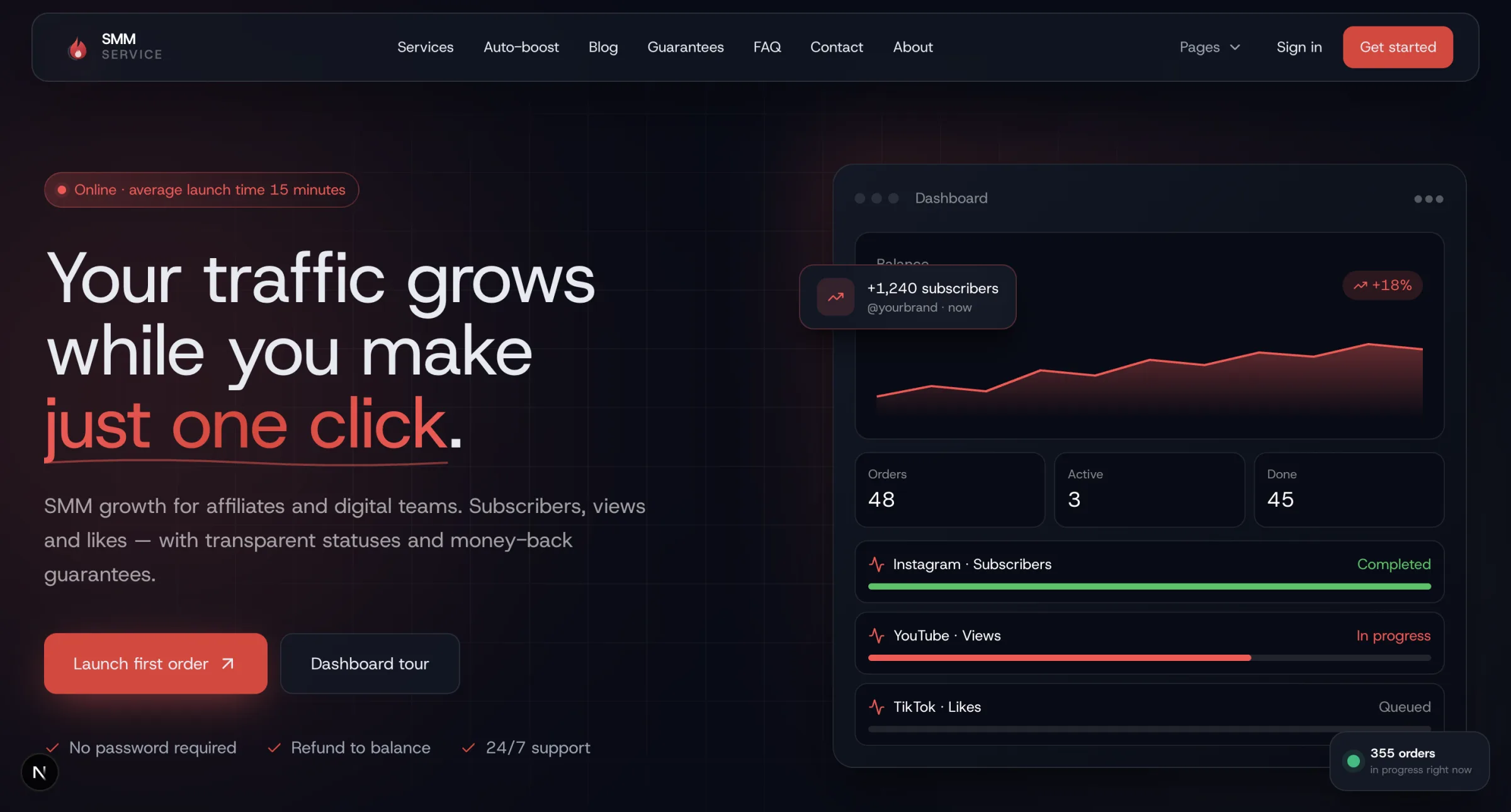
Creator Marketing Platform - Engagement Services Marketplace
End-to-end engineering for a multi-tenant creator marketing platform: Java Spring backend, Next.js dashboard, admin console, and a provider-aggregated catalog of 1,200+ services across thirteen platforms.
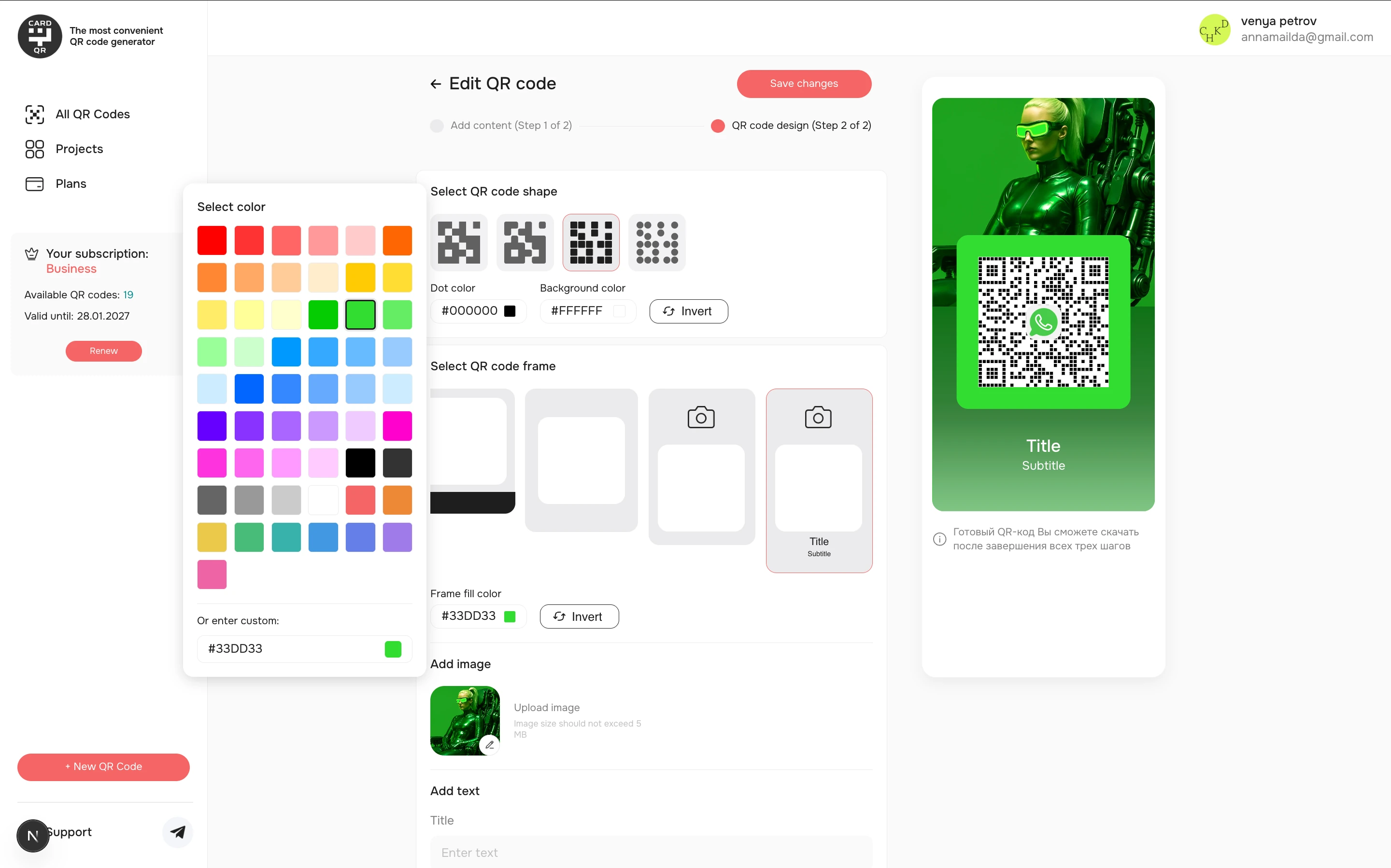
Web Page Generator - SaaS Platform for Dynamic Web Pages
Full-scale SaaS web application for creating and managing dynamic web pages connected to QR codes and custom URLs.

Forschungsmittel.com
B2B funding website and connected product platform with client dashboard, team workspace, document workflow, and operational command center.

Benjamin C. Wenzel - Legal-Tech Criminal Defense Platform
Custom-built criminal defense platform with public authority site, digital intake, secure client portal, internal case operations, billing, and audit-ready workflow logic.

EventStripe
Event Management & Payment Processing Platform - Scalable event ticketing and payment processing system.

Matahari Hills - Bali Real Estate Project
Investor-facing real-estate platform combining premium UX, CRM, analytics, automation, and data-driven lead infrastructure for a Bali development.
FAQ
Migration timelines vary by complexity. A simple lift-and-shift might take 4-8 weeks. A full replatforming with architecture changes can take 3-6 months. We start with an assessment to provide accurate timelines based on your infrastructure.
In many cases, we design migration strategies aimed at zero or minimal downtime, such as blue/green deployments, phased cutovers, and parallel system operation. The exact approach depends on architecture, data consistency requirements, and business constraints.
Platform choice depends on your requirements: compliance needs (GDPR, ISO), existing vendor relationships, cost constraints, and technical requirements. We help you evaluate and choose the right platform during the assessment phase.
We typically run systems in parallel during migration, with strategies designed to minimize downtime. After validation, we cut over to the cloud environment and maintain the old system as a fallback until the migration is fully validated. We then decommission legacy infrastructure safely.
Yes — we design and implement hybrid architectures that combine on-premise infrastructure with cloud services. This is common for compliance requirements, data residency, or gradual migration strategies.
Related Services
Keep reading from the blog
More insights and best practices on this topic.
Cloud migration outcomes depend on system architecture, data consistency requirements, and operational constraints. Described approaches reflect engineering best practices and design goals, not guaranteed results.
Cloud migration for companies operating production systems. We support organizations with cloud migrations, infrastructure modernization, and cloud architecture based on the specific technical and regulatory context of each project. All services are delivered individually and depend on system requirements and constraints.