H-Studio
Start a project
B2B SaaS · Funded Startups

B2B SaaS engineering that survives the first 100 paying users

Pre-seed, seed and Series A teams come to us when shipping fast is no longer the only metric. We build the production-ready foundation that lets you ship features for the next two years without an architectural rewrite.

12+
funded teams shipped
100+
paying users scaled
0
forced rewrites
Engagement formats

What we build

Most of our SaaS engagements fall into one of four shapes:

  1. 01Production-ready MVPThe core product, built from a defined architecture: auth, multi-tenant data, primary flows, CI/CD pipeline, base monitoring, GDPR-aligned by default. Typical scope: 6–8 weeks, €35–50k.
  2. 02Re-architecture after seedYou launched with freelancers or no-code, you have traction, and the codebase now blocks the team. We plan a phased rebuild that keeps the product shippable while we replace the load-bearing parts.
  3. 03Multi-domain productBeyond the first product surface — admin tooling, operator dashboards, billing, integrations. Built with clean domain boundaries so the next two product squads can ship in parallel without stepping on each other.
  4. 04Embedded engineering capacityAfter launch, your team grows but hiring senior backend engineers in Berlin or Munich is slow. We embed in your repository, follow your code review, and hand the work back when you're staffed.
Audience

Who this is for

We're a fit when:

  • 01Your round is closed (or closing) and you have 12–24 months of runway
  • 02You see the product growing past 3–5 entities (users, organisations, workflows)
  • 03You expect 100+ paying users in year one — and your seed pitch promised more
  • 04Your CTO or first engineer needs senior architecture support without giving up control
  • 05You'd rather spend €35k now than €120k on a forced rewrite next year

Not a fit if you're pre-funding, validating an idea, or building a feature on top of an existing platform.

Outcomes

What you walk away with

  1. 01A documented architecture your next senior hire can read in an hour
  2. 02A deploy pipeline you can show an investor without flinching
  3. 03Domain logic that already accommodates the year-2 features in your roadmap
  4. 04Test coverage on the paths that matter — payments, auth, data integrity
Related services

Related services

Honest answer

Where B2B SaaS products break after seed

We've shipped enough post-seed rebuilds to know which decisions cost teams six months and a Series A delay. These are the five we see most often.

  1. 01MVP built without a multi-tenant modelOnboarding the second customer organisation means forking the codebase. Every later workspace, every per-tenant setting, every isolated dataset becomes a migration.
  2. 02Auth designed for users, not organisationsThere are users but no orgs, no roles, no workspace switching. SCIM, SSO and admin delegation can't be bolted on later without rewriting the session and permission layer.
  3. 03Billing bolted on after launchRevenue logic and product logic share state. Plan changes mid-cycle, usage metering, refunds and trial extensions each become a special case in the application code.
  4. 04No domain separation in the monolithEvery team blocks every other team in the same repo. A two-person product squad can't ship a feature without a four-engineer review chain — and the senior hire you wanted leaves.
  5. 05Observability deferred until productionThe first paying-customer outage is debugged in raw logs. There is no per-tenant tracing, no error budget, no alert that distinguishes a noisy customer from a broken release.
How we deliver

From an architecture sprint to a stable production system

Four phases, predictable cadence, weekly demos. Nothing is hidden behind a 'big reveal' — you see deploys every week from week three.

  1. 01 · 1–2 weeks

    Architecture sprint

    We map the existing system, decide the tenancy model, lock the data model and write a one-page RFC your team and ours both sign off.

  2. 02 · 2–3 weeks

    System design

    API contracts, auth and billing boundaries, deployment topology. The output is a buildable spec — reviewed by your CTO before any production code is written.

  3. 03 · 6–12 weeks

    Implementation

    Vertical slices, weekly deploys behind feature flags. No big-bang launch — your team can ship product features alongside us throughout.

  4. 04 · 2–4 weeks

    Stabilisation & handover

    Load test, SLO baseline, runbooks, on-call documentation. We hand the system to your engineers, not to a maintenance contract.

What we actually did

Four funded teams, four real problems

These aren't logos on a wall. Each row is one engagement: what was broken when we walked in, what we changed, and what shipped.

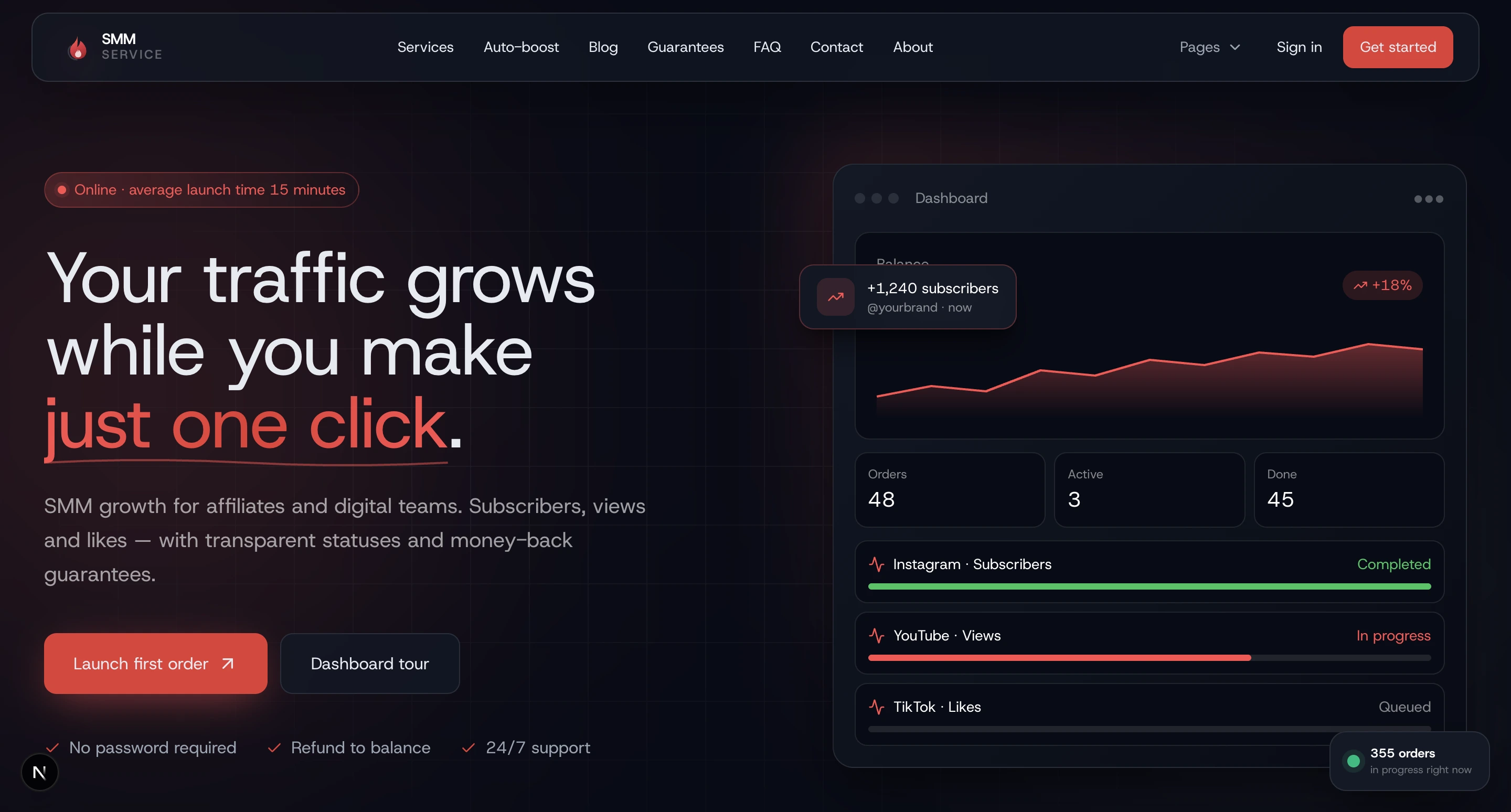
PlayDeck  -  Powering Telegram's Gaming EcosystemStartup Engineering

PlayDeck - Powering Telegram's Gaming Ecosystem

  • What was broken

    A Telegram-native gaming platform expecting a viral launch — the existing backend couldn't survive a single peak hour.

  • What we did

    Stateless Java workers, queue-based fan-out, predictable horizontal scaling on a managed Postgres tier.

  • Result

    Shipped through launch week without a scaling incident; engineering team kept building product, not patching infra.

Read full case
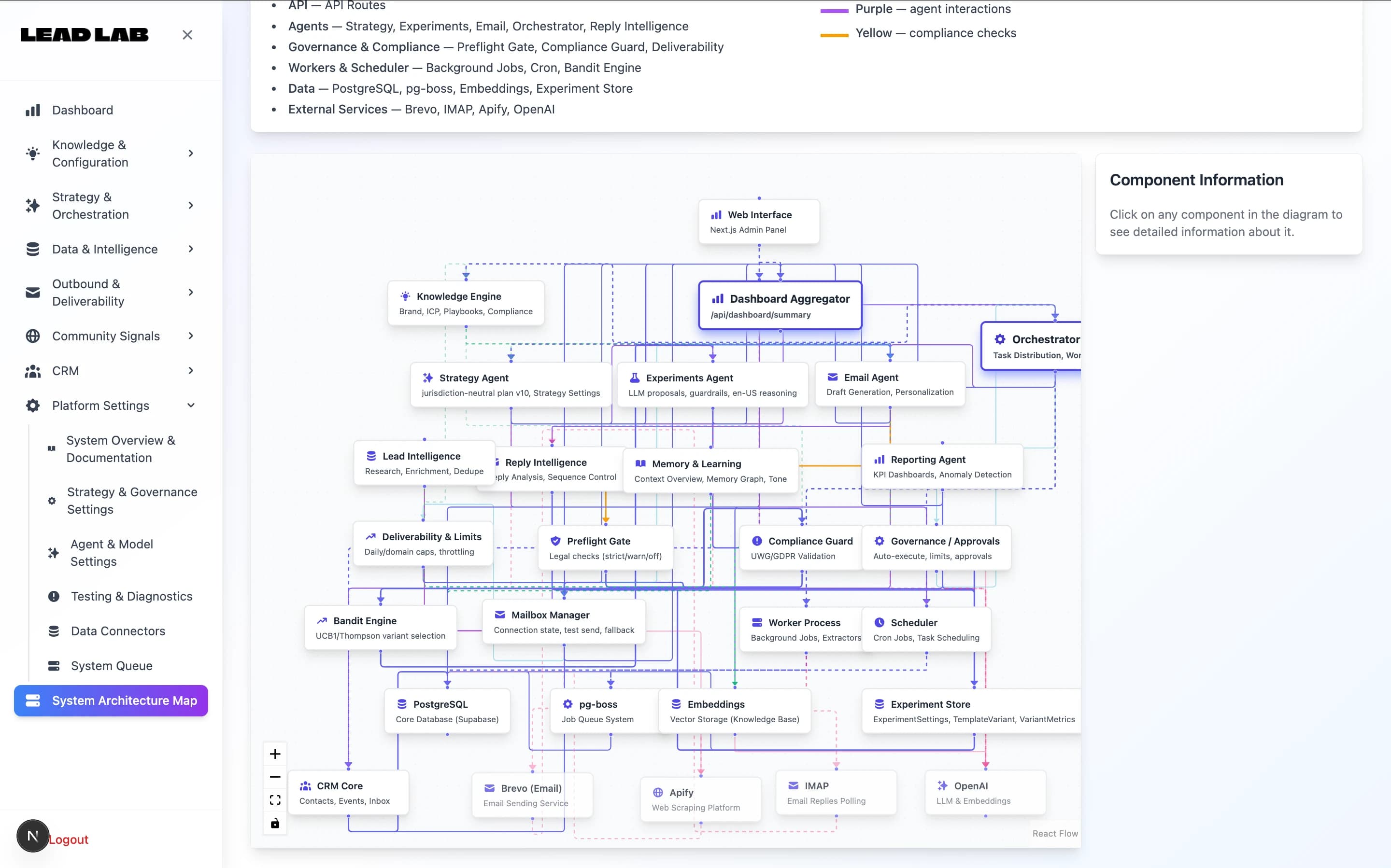
Lead Lab  -  B2B Revenue Operations Platform with Automation & Intelligence FeaturesStartup Engineering

Lead Lab - B2B Revenue Operations Platform with Automation & Intelligence Features

  • What was broken

    An AI-driven B2B growth platform with the inference path tangled into the application code — every model change risked the product.

  • What we did

    Split inference behind a stable API, designed a GDPR-aligned data flow with EU-only processing, separated billing events from product events.

  • Result

    Onboarded EU customers without a compliance rework; the data team can iterate models without coordinating product releases.

Read full case
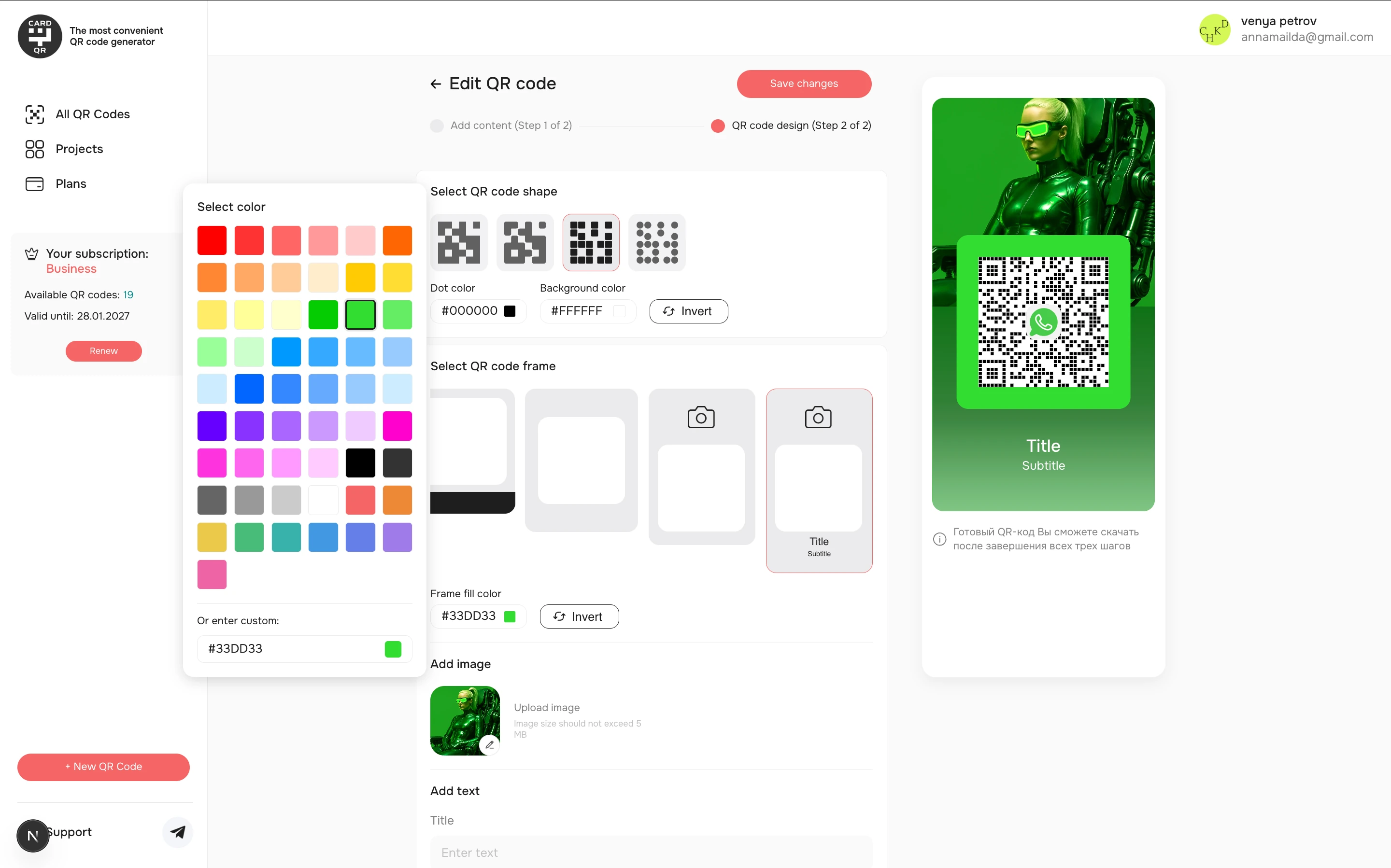
Creator Marketing Platform  -  Engagement Services MarketplaceStartup Engineering

Creator Marketing Platform - Engagement Services Marketplace

  • What was broken

    A multi-role marketplace where creators, brands and agency operators all needed isolated workspaces, dashboards and approval flows in a single product surface.

  • What we did

    Role-based product logic, per-workspace data isolation, structured campaign and content workflows engineered into the system from day one rather than retrofitted.

  • Result

    Three operator personas use the same platform without conflict; new role types can be added without rewriting the access model.

Read full case
Web Page Generator  -  SaaS Platform for Dynamic Web PagesStartup Engineering

Web Page Generator - SaaS Platform for Dynamic Web Pages

  • What was broken

    A SaaS site builder where every customer's published site shared the same render layer — a single noisy site degraded everyone else.

  • What we did

    Per-tenant render layer, dedicated cache topology, isolated build pipelines so each customer's deploy stays independent.

  • Result

    Scaled to paying customers without per-customer ops work; new customer sign-up does not add to the on-call load.

Read full case
Architecture reference

B2B SaaS architecture considerations

The decisions we expect to argue about with your team in the architecture sprint — and the questions investors and acquirers will ask later.

01

Multi-tenant data isolation

Silo, pool or bridge — each model trades isolation against operational cost. The right choice depends on regulated data, expected tenant size, and whether you'll ever need a single-tenant deployment.

  • Silo: per-tenant database, hardest isolation, highest ops cost
  • Pool: shared schema with tenant_id, lowest ops cost, weakest isolation
  • Bridge: per-tenant schema in a shared cluster, the usual middle ground
02

RBAC & organisation-level auth

Users belong to organisations, not the other way around. Workspace switching, role hierarchies and (later) SCIM provisioning all depend on getting the org/user/role boundary right on day one.

  • Org-as-root model with users invited into roles
  • Workspace switching that survives SSO and impersonation
  • Audit log that captures who did what in which workspace
03

Billing & metering

Plan changes mid-cycle, usage-based pricing, free-trial conversions and prorated upgrades all live or die on the metering boundary. Treat billing as a separate domain, not a feature flag.

  • Usage events emitted from the product, never derived from the database after the fact
  • Plan transitions modelled as state machines, not booleans
  • Refund and credit paths designed before the first paying customer
04

Integrations & webhooks

Outbound webhooks fail. Inbound integrations rate-limit. Idempotency, retries and replay are infrastructure, not application concerns — the SaaS that gets this right won't lose customer data on a partner outage.

  • Idempotency keys on every external write
  • Exponential backoff with a dead-letter queue for human review
  • Replay endpoint so a customer can recover from their own integration failure
05

GDPR & EU data residency

EU hosting is the easy part. The harder part is data subject access requests, sub-processor disclosure, deletion paths and contractual DPAs your customer's procurement team will read line by line.

  • EU-only processing with documented sub-processor list
  • Per-tenant deletion that survives backups and analytics pipelines
  • DPA template ready before the first enterprise customer asks
06

Observability & SLOs

Per-tenant metrics matter more than aggregate ones. A 99.9% global SLO can hide a single customer who's seeing 10% errors — and that customer churns first.

  • Per-tenant request, error and latency metrics tagged at the edge
  • Error budgets tied to product surfaces, not the whole system
  • On-call rotation with paging that distinguishes 'one customer broke' from 'the platform is down'
FAQ

Questions funded SaaS founders ask before they hire us

If your question isn't here, it's almost certainly the first thing we'll discuss in a 30-minute call.

Different situation? We answer the actual question, not the brochure version.

Ask directly
  1. From the architecture sprint to a stable, production-running system: typically 12–20 weeks for a seed-stage product, depending on what's already shipped and what has to keep running. The first deploy of new code usually happens in week three. We don't quote a re-architecture without the architecture sprint output — quoting blind is how teams get burned.

  2. Yes — that's the explicit constraint we plan around. Every implementation phase produces vertical slices behind feature flags, deployed weekly. Your product team works in the same repo, reviews the same PRs, and ships features alongside the rebuild. There is no production freeze, ever.

  3. We work alongside it. We embed in your repository, follow your code review, attend your standups when it helps. Our job is to make your engineers stronger, not to make them dependent on us. By the end of stabilisation, the system runs on your team's on-call rotation, not ours.

  4. Modular monolith, almost always, until you have at least three product squads or a clear operational reason to split. Microservices at seed stage trade a real problem (codebase coupling) for a worse one (operational complexity). The exceptions: anything that has to scale independently, like AI inference or per-tenant rendering.

  5. We default to a bridge model — per-tenant schema in a shared cluster — because it's the easiest to migrate from later. Silo and pool are both reachable from bridge with bounded effort; the reverse migrations are punishing. The decision is made in the architecture sprint based on your largest expected tenant and your regulatory exposure, not on a default.

  6. GDPR is a baseline, not a feature. Every system we ship has EU-only processing, a documented sub-processor list, per-tenant deletion that survives backups, and a DPA template your enterprise customers can sign. We'd rather over-engineer this on day one than defend a half-measure to your customer's procurement team six months later.