


Platform Engineering
Build internal developer platforms and self-service infrastructure
We design and build internal developer platforms (IDP) that reduce friction in engineering workflows and help teams ship more efficiently — while maintaining security, reliability, and compliance. Platform engineering is not DevOps consulting; it is productized infrastructure for developers. It turns infrastructure into a product, not a collection of scripts.
What We Build
Internal Developer Platforms (IDP)
- Self-service environments for developers
- Standardized deployment workflows
- Built-in security and guardrails
- Clear ownership and lifecycle management
Developer Experience (DevEx)
- Simplified onboarding
- Consistent tooling and environments
- Shortened feedback loops
- Lower cognitive load through standardized tooling and abstractions
Platform Foundations
- Kubernetes-based platforms
- GitOps-driven deployments
- Infrastructure as Code foundations
- Centralized secrets and access control
When Platform Engineering Is Needed
Companies usually need platform engineering when:
- Developers spend too much time on infrastructure
- Environments are inconsistent or unreliable
- CI/CD pipelines are fragile or duplicated
- Kubernetes and cloud setups become hard to manage
- Security and compliance slow down delivery
- Scaling engineering teams increases operational overhead

Core Capabilities
Self-Service Infrastructure
On-demand environments (dev / stage / prod), Automated provisioning via IaC, Policy-based deployments
CI/CD & Release Platforms
Reusable pipelines, Secure artifact handling, Environment promotion strategies
Security & Governance by Design
RBAC and least-privilege access, Secrets management (Vault, cloud-native), Compliance-ready workflows
Observability Built-In
Standardized logging, metrics, and tracing, SLO-based alerting, Platform-level dashboards
Technologies We Use
Our Platform Engineering Process
Platform Assessment
Engineering workflows, pain points, and constraints.
Platform Design
Architecture, abstractions, guardrails, and interfaces.
Implementation
Automated platforms, pipelines, and tooling.
Enablement
Documentation, onboarding, and team training.
What You Gain
Shorter and more predictable developer onboarding
More consistent and predictable deployment processes
Reduced operational overhead through standardization and automation
Improved security through automated checks and built-in guardrails
Platforms designed to scale with growing teams
Engagement Models
When Platform Engineering Is Right
This service is ideal if:
You have multiple engineering teams
Infrastructure work slows down developers
You need consistent deployment workflows
Security and compliance must be built-in
You want to scale engineering teams efficiently
Every engagement begins with an Architecture Sprint
Five working days. One senior engineer. A clear map of system boundaries, scaling risks, stack decisions, and a delivery roadmap — before a single line of production code.
- 01Day 1
Discovery: domain, constraints, growth targets
- 02Day 2
System mapping: services, data, integrations
- 03Day 3-4
Stack decisions and risk model
- 04Day 5
Roadmap & costed delivery plan
Ready to start with architecture, not features?
Five days. One senior engineer. A clear path forward.
Or talk to us first Get in touch
Founder-relevant case studies
Vulken FM
Inspection & Asset Management Platform - Internal survey and compliance system for facilities management with mobile inspection app and web-based admin platform.

EventStripe
Event Management & Payment Processing Platform - Scalable event ticketing and payment processing system.

PlayDeck - Powering Telegram's Gaming Ecosystem
How we built the backend architecture for Telegram's fastest-growing gaming platform.
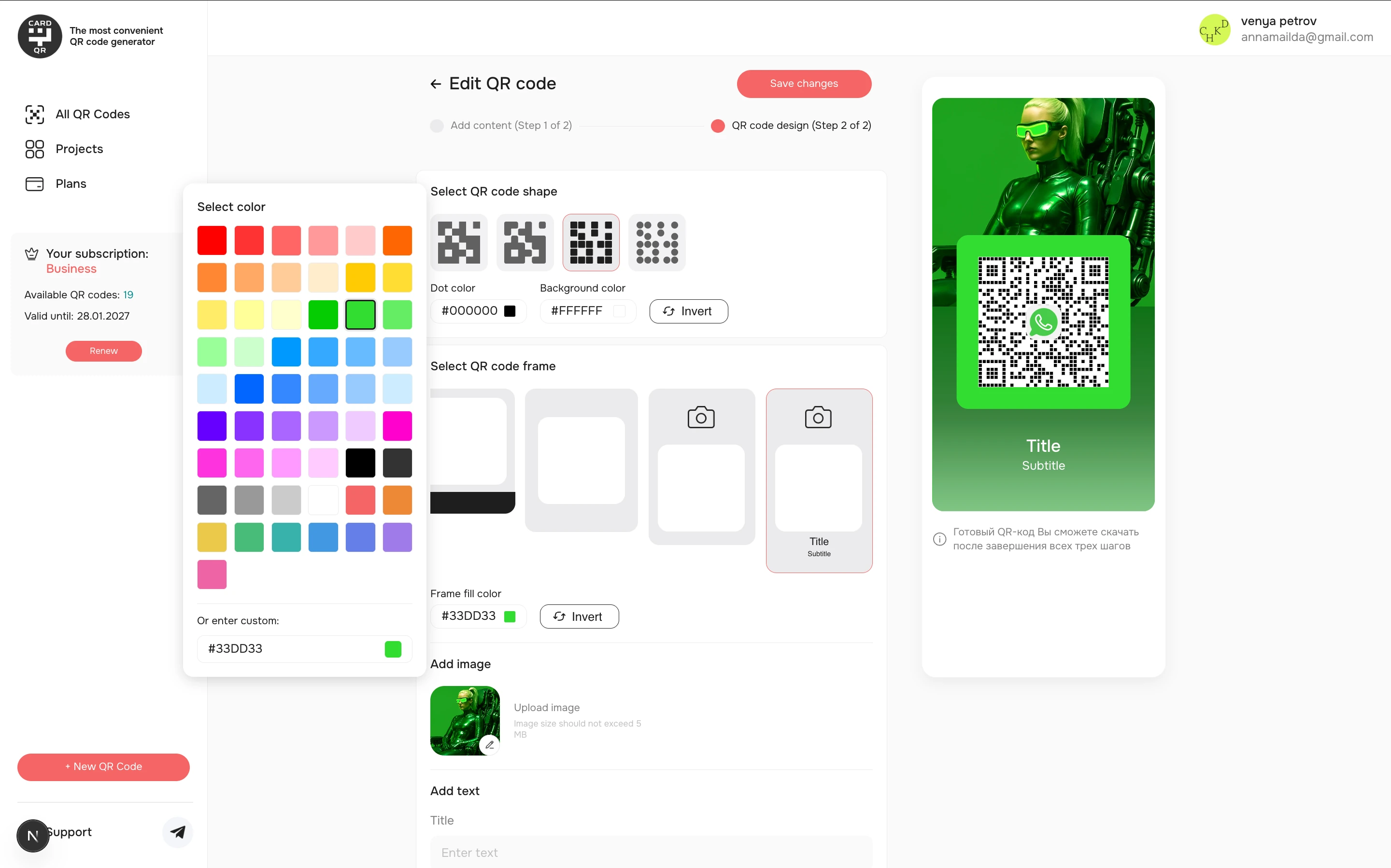
Web Page Generator - SaaS Platform for Dynamic Web Pages
Full-scale SaaS web application for creating and managing dynamic web pages connected to QR codes and custom URLs.

Forschungsmittel.com
B2B funding website and connected product platform with client dashboard, team workspace, document workflow, and operational command center.

Benjamin C. Wenzel - Legal-Tech Criminal Defense Platform
Custom-built criminal defense platform with public authority site, digital intake, secure client portal, internal case operations, billing, and audit-ready workflow logic.
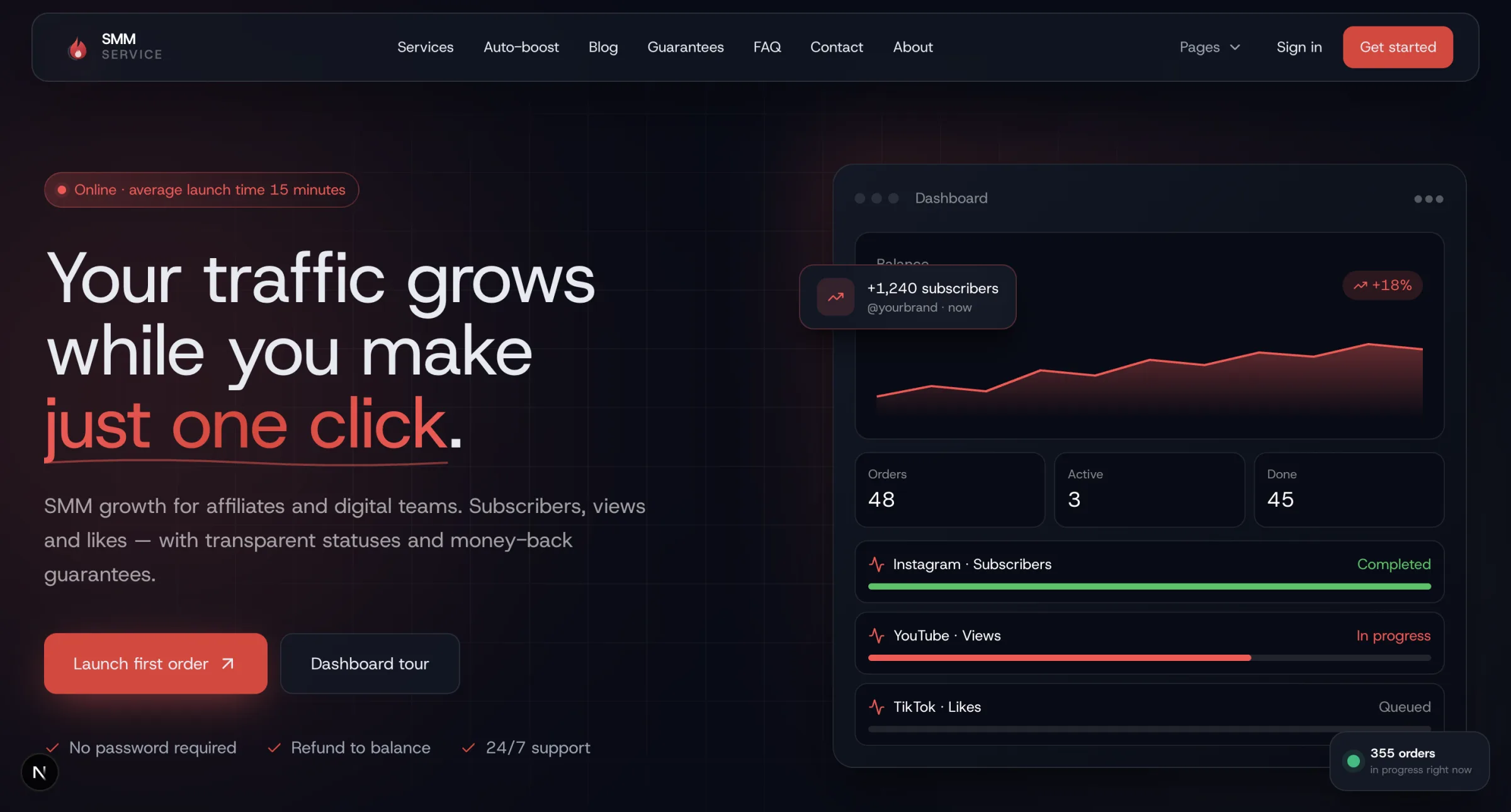
Creator Marketing Platform - Engagement Services Marketplace
End-to-end engineering for a multi-tenant creator marketing platform: Java Spring backend, Next.js dashboard, admin console, and a provider-aggregated catalog of 1,200+ services across thirteen platforms.

Berlin Guide App
Discover the City Behind Closed Doors - A curated mobile guide to Berlin's underground culture, built for locals, not tourists.
FAQ
DevOps focuses on culture, practices, and tooling for development and operations. Platform Engineering builds internal products (platforms) that abstract infrastructure complexity and provide self-service capabilities to developers. Platform Engineering is a product-oriented approach to DevOps.
A basic platform with self-service environments and CI/CD can take 2-3 months. A comprehensive platform with advanced features, security, and observability typically takes 4-6 months. We start with an assessment to define scope and priorities.
We work with both. We can build new platforms from scratch, consolidate existing fragmented tooling into a unified platform, or evolve existing platforms incrementally. The approach depends on your current state and goals.
Yes — Kubernetes is often the foundation for internal developer platforms. We build platforms that abstract Kubernetes complexity, provide self-service Kubernetes resources, and integrate with GitOps workflows.
Success metrics include: reduced time to deploy (often significantly compared to baseline), shorter developer onboarding, fewer production incidents, higher deployment frequency, and reduced infrastructure-related support tickets. We track these metrics throughout the engagement.
Related Services
Keep reading from the blog
More insights and best practices on this topic.
Platform engineering outcomes depend on team structure, system complexity, and organizational constraints. Described benefits reflect design goals and industry best practices, not guaranteed results.
Platform engineering for companies operating production development platforms. We support organizations with developer platforms, self-service infrastructure, and platform engineering based on the specific technical and regulatory context of each project. All services are delivered individually and depend on system requirements and constraints.