

SRE Consulting
Site Reliability Engineering for high-availability systems
We provide Site Reliability Engineering (SRE) consulting for companies that operate business-critical, high-traffic systems and need more predictable reliability as systems scale. SRE combines software engineering and operations to improve availability, performance, and resilience — without unnecessarily slowing down delivery. Unlike distributed systems architecture consulting, this service is about reliability operations: SLOs, alerting, incident response, on-call design, and observability.
When SRE Consulting Is Needed
Teams typically reach out when:
Downtime directly impacts revenue or customers
Incidents are detected too late
Systems degrade under load
On-call stress is high and unpredictable
SLAs are unclear or frequently missed
Infrastructure scales faster than operational maturity
SRE applies engineering discipline to improving system reliability.
What We Deliver
Reliability Strategy & SRE Foundations
Reliability goals and error budgets, SLO / SLA / SLI definition, Incident response models, Clear ownership and escalation paths
Observability & Monitoring
Metrics, logs, and traces aligned with SLOs, Alerting designed to focus on symptoms rather than alert noise, Dashboards for engineering and management
Incident Management & Response
Incident playbooks and runbooks, On-call structure and escalation policies, Postmortems with documented findings and improvement actions
Scalability & Resilience Engineering
Load testing and capacity planning, Failure scenarios and controlled chaos testing where appropriate, Redundancy and failover strategies
Core Capabilities
SLO-Driven Operations
- Define what "reliable" actually means
- Balance speed vs stability with error budgets
- Reduce alert fatigue
High-Availability Architecture
- Multi-AZ / multi-region setups
- Stateless services and resilient data layers
- Graceful degradation strategies
Production Readiness Reviews
- Release readiness checks
- Risk analysis before scale events
- Infrastructure and service audits
Automation & Automated Recovery
- Automated remediation
- Health checks and circuit breakers
- Defined and testable recovery workflows
Technologies We Use
Our SRE Consulting Process
01. Reliability Assessment
We analyze architecture, incidents, metrics, and risks.
02. SRE Roadmap
Clear priorities for availability, observability, and resilience.
03. Implementation
Monitoring, alerts, automation, and reliability patterns.
04. Enablement
Runbooks, training, and long-term operating models.
What You Gain
Improved uptime characteristics and more predictable performance behavior
Faster incident detection and structured recovery processes
Reduced operational stress through clearer processes and tooling
Clear reliability ownership
Systems designed to scale in a controlled and observable way
Engagement Models
When SRE Consulting Is Right
This service is ideal if:
You operate business-critical systems
Downtime impacts revenue or customers
You need more predictable reliability as systems scale
Incident response needs structure
You want to balance speed and stability
Every engagement begins with an Architecture Sprint
Five working days. One senior engineer. A clear map of system boundaries, scaling risks, stack decisions, and a delivery roadmap — before a single line of production code.
- 01Day 1
Discovery: domain, constraints, growth targets
- 02Day 2
System mapping: services, data, integrations
- 03Day 3-4
Stack decisions and risk model
- 04Day 5
Roadmap & costed delivery plan
Ready to start with architecture, not features?
Five days. One senior engineer. A clear path forward.
Or talk to us first Get in touch
Founder-relevant case studies
Vulken FM
Inspection & Asset Management Platform - Internal survey and compliance system for facilities management with mobile inspection app and web-based admin platform.

PlayDeck - Powering Telegram's Gaming Ecosystem
How we built the backend architecture for Telegram's fastest-growing gaming platform.
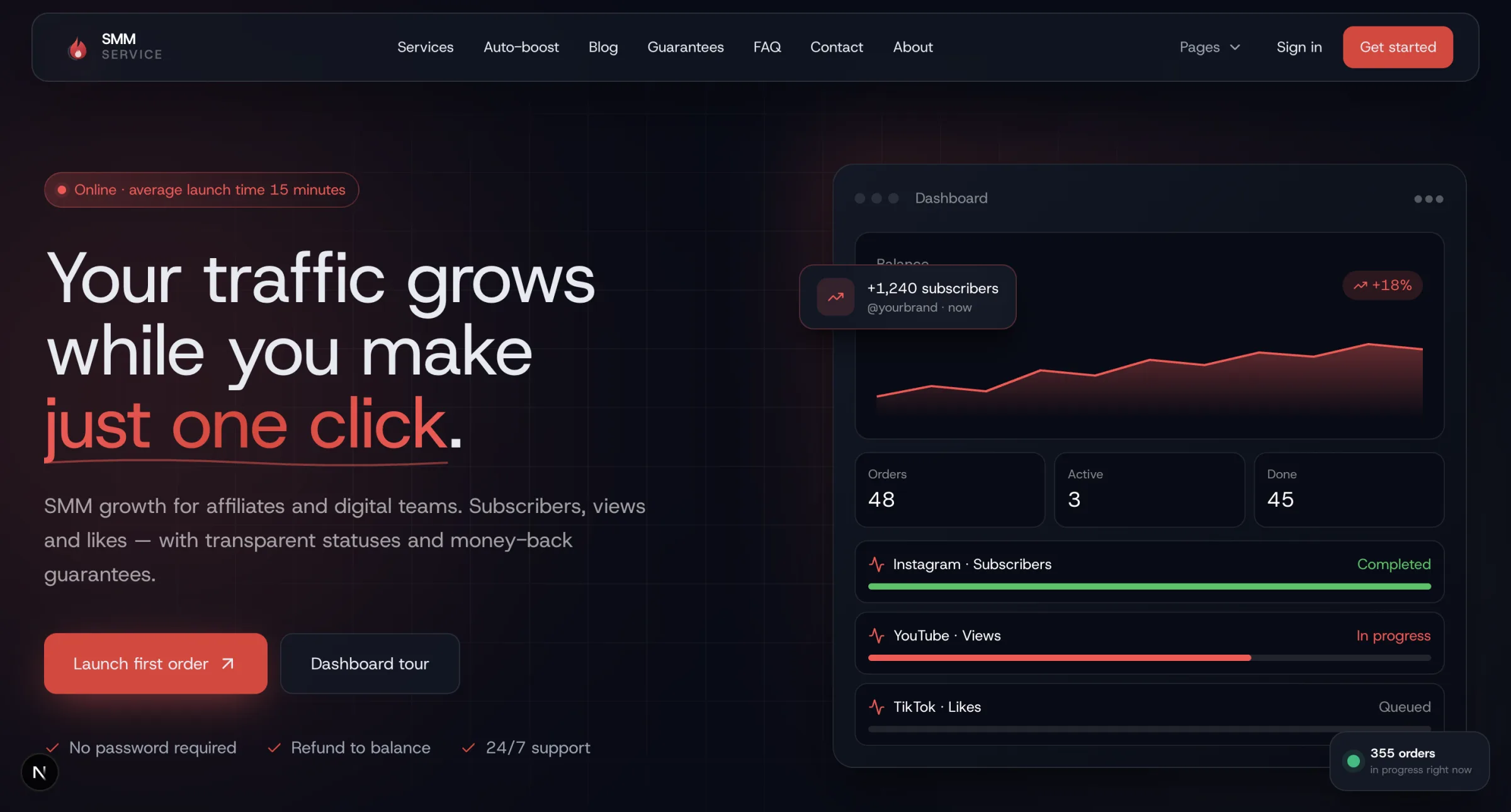
Creator Marketing Platform - Engagement Services Marketplace
End-to-end engineering for a multi-tenant creator marketing platform: Java Spring backend, Next.js dashboard, admin console, and a provider-aggregated catalog of 1,200+ services across thirteen platforms.
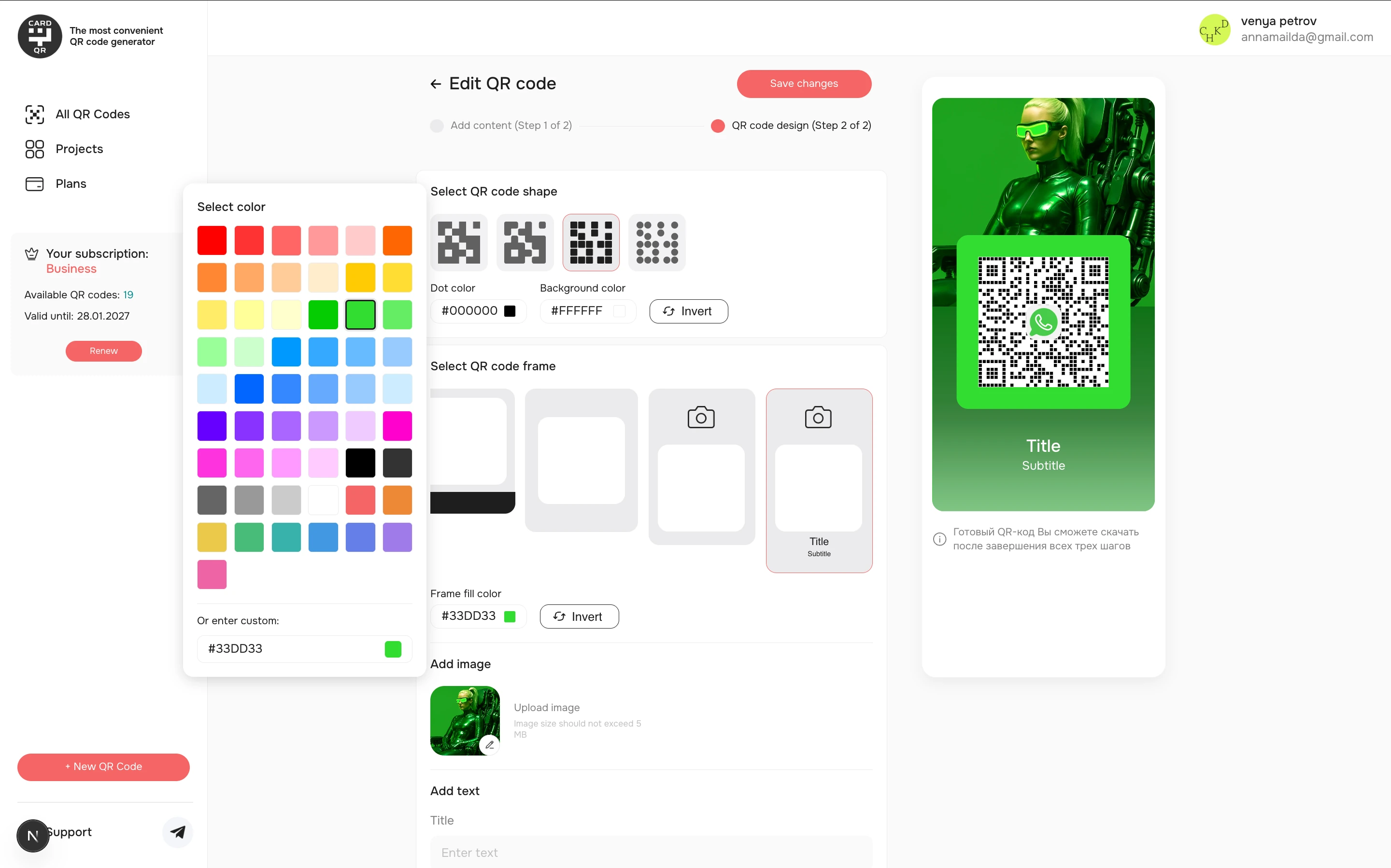
Web Page Generator - SaaS Platform for Dynamic Web Pages
Full-scale SaaS web application for creating and managing dynamic web pages connected to QR codes and custom URLs.

Forschungsmittel.com
B2B funding website and connected product platform with client dashboard, team workspace, document workflow, and operational command center.

Benjamin C. Wenzel - Legal-Tech Criminal Defense Platform
Custom-built criminal defense platform with public authority site, digital intake, secure client portal, internal case operations, billing, and audit-ready workflow logic.

EventStripe
Event Management & Payment Processing Platform - Scalable event ticketing and payment processing system.

Berlin Guide App
Discover the City Behind Closed Doors - A curated mobile guide to Berlin's underground culture, built for locals, not tourists.
FAQ
DevOps is a cultural and organizational approach to software delivery. SRE is a specific discipline within DevOps that applies software engineering principles to operations, focusing on reliability, SLOs, error budgets, and systematic incident management. SRE is more prescriptive and metrics-driven than general DevOps.
We work with stakeholders to define Service Level Objectives (SLOs) based on user experience and business requirements. Error budgets represent the acceptable amount of unreliability. When error budgets are exhausted, we focus on reliability improvements instead of new features. This balances speed and stability.
Yes — we integrate with existing monitoring stacks (Prometheus, Grafana, Datadog, New Relic, etc.) and enhance them with SRE practices: SLO-based alerting, structured incident management, and reliability-focused dashboards. We can also set up new observability stacks if needed.
A basic SRE setup with SLOs, monitoring, and incident management often takes several weeks, depending on system complexity. A comprehensive SRE transformation with full observability, automation, and reliability engineering can take several months. We start with an assessment to define scope and priorities.
We help design on-call structures, escalation policies, and incident response workflows. We can provide temporary on-call support during transitions, but our focus is on enabling your team to operate reliably long-term. We also offer ongoing SRE advisory for complex systems.
Related Services
Keep reading from the blog
More insights and best practices on this topic.
SRE outcomes depend on system architecture, operational maturity, and organizational constraints. Described practices and benefits represent established industry approaches, not guaranteed service levels.
SRE consulting for companies operating production systems. We support organizations with reliability engineering, observability setup, and SRE practices based on the specific technical and regulatory context of each project. All services are delivered individually and depend on system requirements and constraints.