

Technical SEO for Next.js
Next.js technical SEO for indexability, crawlability, rendering strategy, and metadata architecture.
Technical SEO for Next.js is framework-level SEO engineering. We work on rendering strategy, crawl/index behavior, canonical logic, metadata generation, structured data, routing, and migration safety in App Router architectures. If your priority is Core Web Vitals performance optimization and ongoing speed monitoring, see Performance SEO (Core Web Vitals).
Why Next.js Requires Specialized SEO Engineering
Most SEO agencies fail on Next.js projects because they:
Don't understand React Server Components (RSC)
Break indexing with streaming or conditional rendering
Misconfigure metadata in app router
Lose content during hydration or edge rendering
Create unstable canonical and URL graphs
Ignore crawl budget impact of dynamic routing
SEO for Next.js is not configuration — it is systems engineering.
What We Deliver
Rendering & Indexing Strategy
- Correct SSR / SSG / ISR strategy per page type
- RSC-safe content delivery
- Predictable HTML output for crawlers
- No hidden or delayed content for Googlebot
App Router & Metadata Engineering
- Centralized metadata architecture
- Stable title / description resolution
- Streaming-safe meta handling
- Canonical & alternate language logic
Routing & URL Architecture
- Intent-based routing structure
- Clean folder hierarchy
- Stable canonical graphs
- Crawl-depth optimization
Structured Data for Next.js
- Schema rendering compatible with RSC
- Deterministic JSON-LD output
- Custom @id linking across pages
- Breadcrumb & Service schema consistency
Performance SEO (Core Web Vitals)
- LCP optimization for real rendering conditions
- INP reduction in interactive React UIs
- CLS stabilization across layouts
- Bundle splitting and script governance
Advanced Next.js SEO Topics We Handle
Typical Use Cases
Engagement Models
Every engagement begins with an Architecture Sprint
Five working days. One senior engineer. A clear map of system boundaries, scaling risks, stack decisions, and a delivery roadmap — before a single line of production code.
- 01Day 1
Discovery: domain, constraints, growth targets
- 02Day 2
System mapping: services, data, integrations
- 03Day 3-4
Stack decisions and risk model
- 04Day 5
Roadmap & costed delivery plan
Ready to start with architecture, not features?
Five days. One senior engineer. A clear path forward.
Or talk to us first Get in touch
Founder-relevant case studies

Forschungsmittel.com
B2B funding website and connected product platform with client dashboard, team workspace, document workflow, and operational command center.

Benjamin C. Wenzel - Legal-Tech Criminal Defense Platform
Custom-built criminal defense platform with public authority site, digital intake, secure client portal, internal case operations, billing, and audit-ready workflow logic.
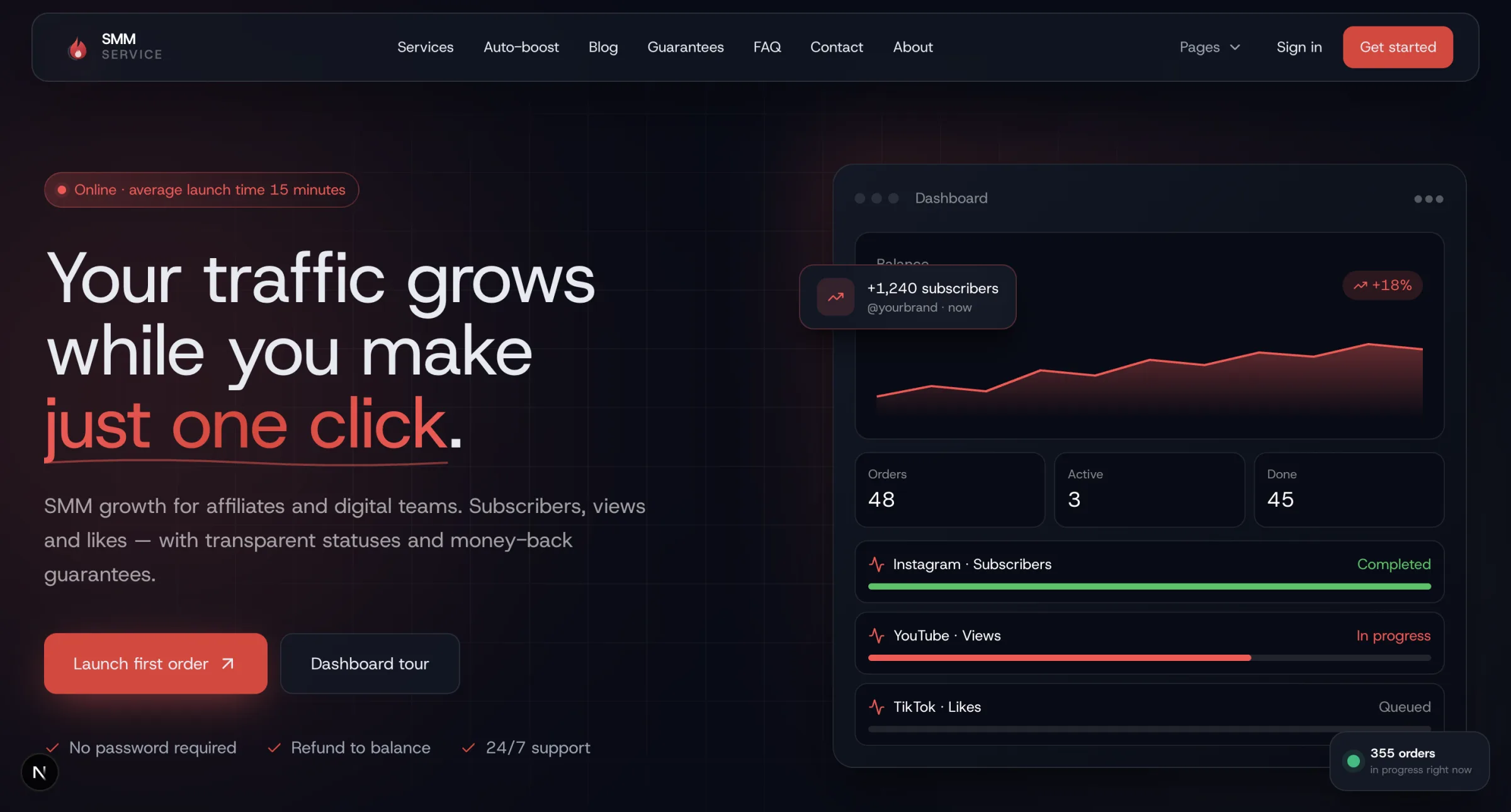
Creator Marketing Platform - Engagement Services Marketplace
End-to-end engineering for a multi-tenant creator marketing platform: Java Spring backend, Next.js dashboard, admin console, and a provider-aggregated catalog of 1,200+ services across thirteen platforms.
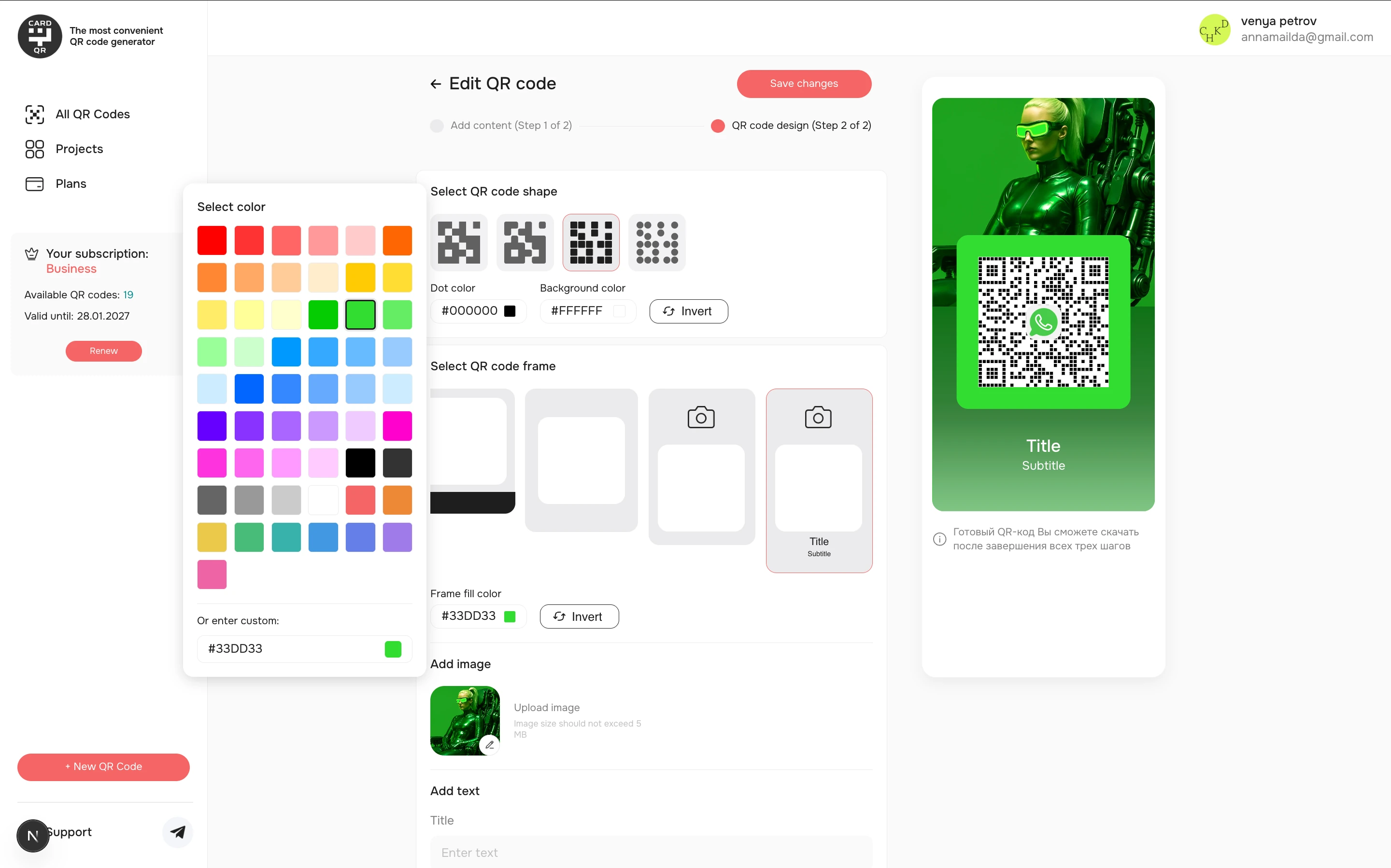
Web Page Generator - SaaS Platform for Dynamic Web Pages
Full-scale SaaS web application for creating and managing dynamic web pages connected to QR codes and custom URLs.
Vulken FM
Inspection & Asset Management Platform - Internal survey and compliance system for facilities management with mobile inspection app and web-based admin platform.

EventStripe
Event Management & Payment Processing Platform - Scalable event ticketing and payment processing system.
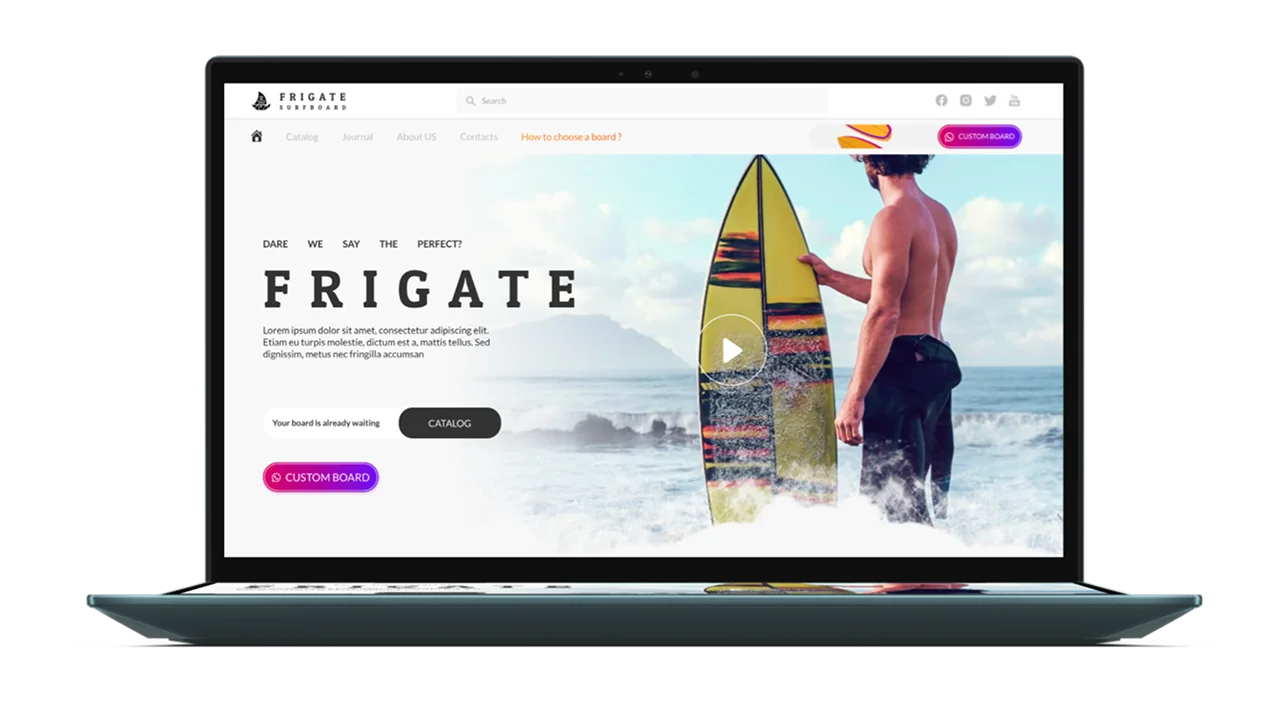
Frigate Surfboards
E-Commerce Platform for a Premium Surf Brand - Bringing craftsmanship and storytelling online.
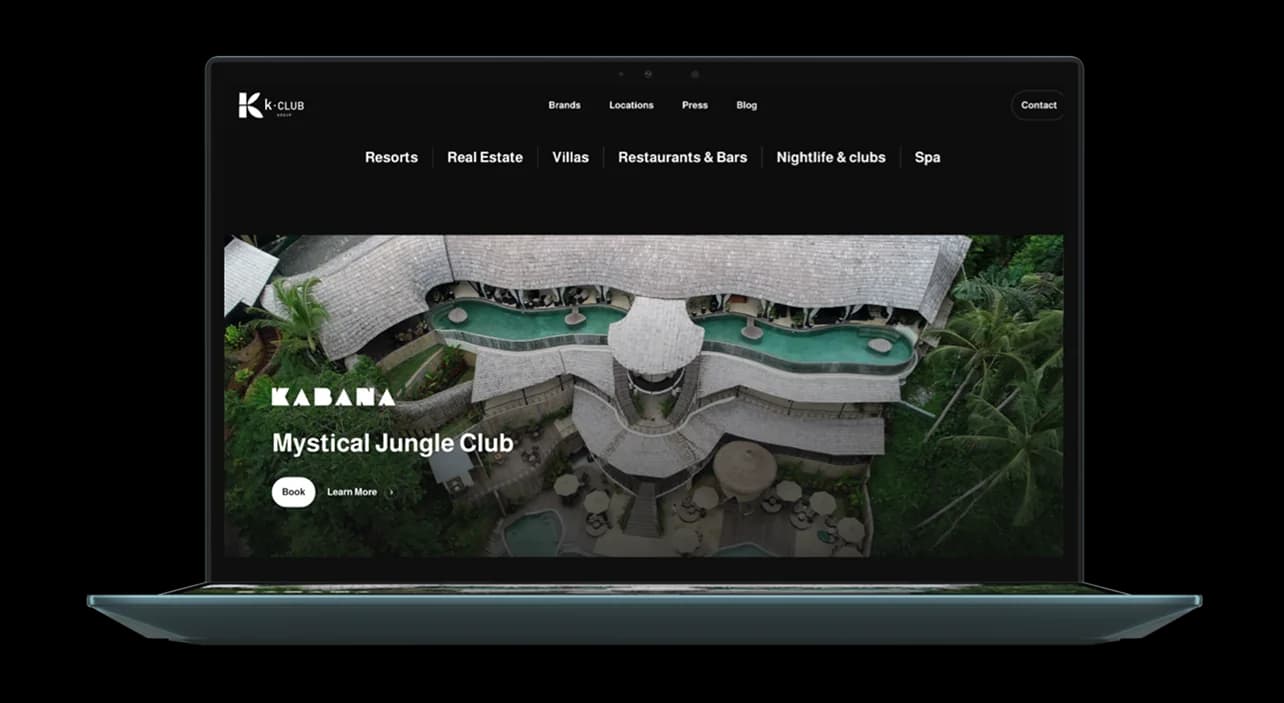
K Club Group
Digital Platform for Barefoot Luxury Experiences - From place to platform.
FAQ
Next.js SEO requires understanding React Server Components, streaming, edge rendering, and dynamic routing. Traditional SEO agencies often break Next.js sites by misconfiguring metadata, creating unstable canonical URLs, or losing content during hydration. We work at the framework level to ensure proper rendering, indexing, and performance.
Yes — App Router uses Server Components, streaming, and different metadata patterns. We ensure stable metadata resolution, proper canonical URLs, and no content loss during streaming. We also optimize for edge rendering and handle internationalization (hreflang) correctly in App Router.
We implement structured data that's compatible with React Server Components, ensuring deterministic JSON-LD output that doesn't break during streaming or hydration. We use custom @id linking across pages for better Knowledge Graph integration and maintain consistency in Breadcrumb and Service schemas.
Yes — we optimize LCP for real rendering conditions (not just Lighthouse), reduce INP in interactive React UIs, stabilize CLS across layouts, and implement proper bundle splitting and script governance. We also ensure that performance optimizations don't break SEO (e.g., no content loss during streaming).
A Next.js SEO audit typically takes 1-2 weeks. Full implementation (App Router optimization, structured data, performance SEO) can take 4-8 weeks depending on site complexity. We start with an audit to identify priorities and quick wins.
SEO outcomes depend on multiple external factors. All services are delivered individually and depend on system requirements and constraints.
Keep reading from the blog
More insights and best practices on this topic.
Technical SEO for Next.js for companies operating production Next.js applications. We support organizations with Next.js SEO optimization, structured data, and Core Web Vitals based on the specific technical and regulatory context of each project. All services are delivered individually and depend on system requirements and constraints.