

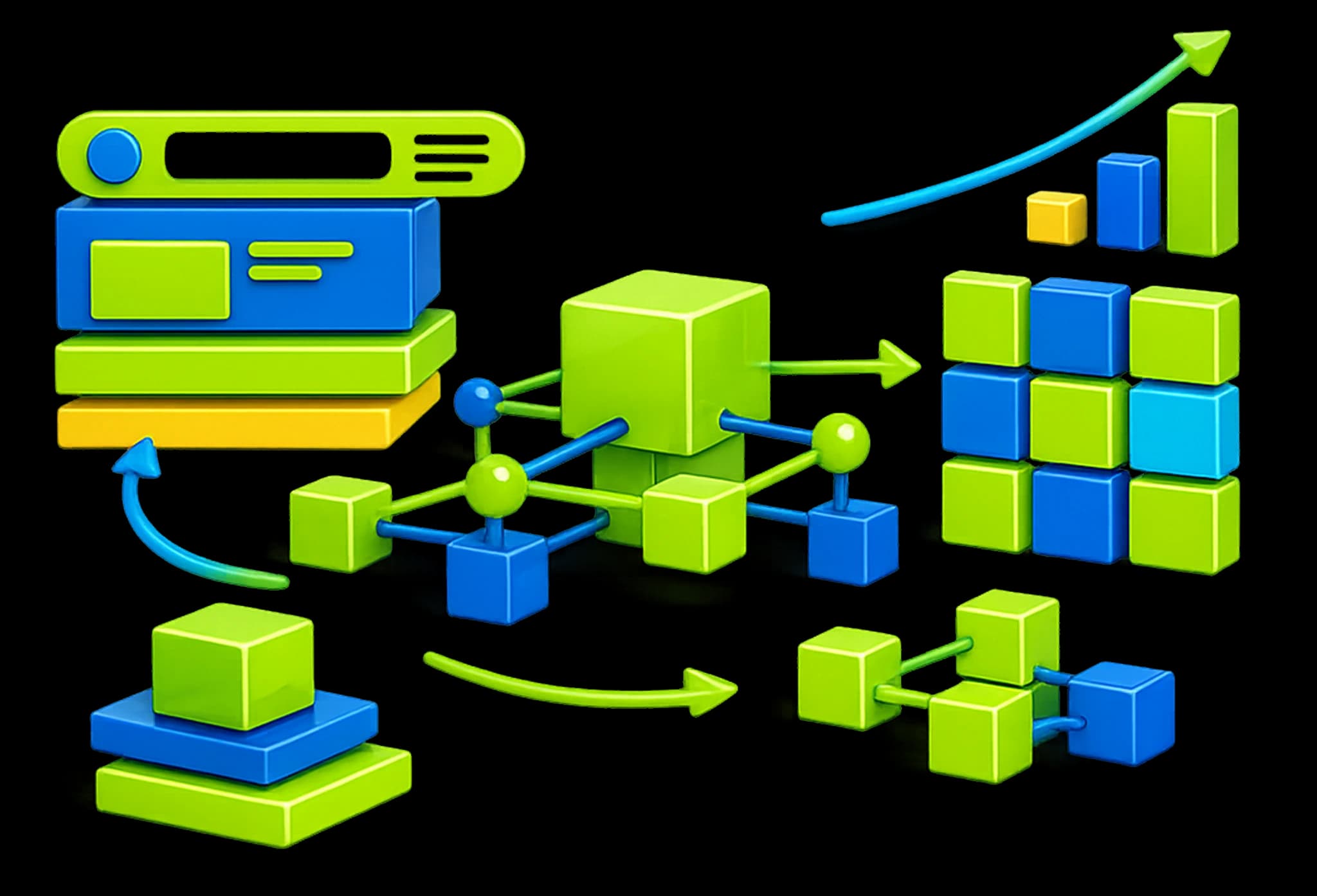
Semantic SEO Architecture
AI-ready semantic architecture and entity-based content engineering
Modern SEO is no longer about pages or keywords. It is about meaning, entities, and relationships. Semantic SEO Architecture defines how search engines and AI systems understand your website as a structured knowledge system — not a collection of URLs. Semantic architecture defines structure; schema and structured data implement it. H-Studio designs semantic, entity-based website architectures that are readable by Google, LLM crawlers, and future AI-driven search systems.
What Semantic SEO Actually Means (in 2025+)
Search engines now operate on:
entities, not keywords
relationships, not links
intent clusters, not isolated pages
semantic consistency, not text volume
machine-readable meaning, not copywriting tricks
If your site does not expose clear entities and their relationships, Google cannot reliably rank it — especially in competitive markets.
Our Approach: SEO as a Semantic System
Entity Modeling & Topic Graph Design
- We start by defining:
- core business entities (services, products, organization)
- supporting entities (technologies, locations, industries)
- intent layers (commercial, informational, navigational)
- entity relationships (service → technology → use case)
- Your website becomes a knowledge graph, not a blog.
Semantic URL & Page Architecture
- We design structures like:
- services/nextjs-development
- services/java-backend-development
- industries/fintech-software-development
- a single, well-defined intent
- a single primary entity
- clear internal relevance
- No keyword cannibalization. No ambiguity.
Schema-Driven Entity Definition (with @id)
- We implement structured data to explicitly define meaning:
- Service, Organization, Product, SoftwareApplication
- FAQPage, BreadcrumbList, WebSite
- persistent @id values for entity continuity
- cross-page entity linking
- This creates a machine-readable knowledge graph across your domain.
Semantic Content Engineering (Not Copywriting)
- We structure content so that search engines can:
- identify primary intent
- distinguish services clearly
- map topical authority
- assign relevance hierarchies
- avoid overlap between pages
- intent-focused service pages
- supporting authority pages
- FAQ clusters
- semantic internal linking
- DE/EN parity without duplication
AI-Ready Architecture (LLM & Agent Crawlers)
- We design your site to be readable by:
- Googlebot
- AI Overviews / SGE
- LLM crawlers
- retrieval-augmented systems
- future agent-based search
- predictable structure
- explicit semantics
- stable entities
- consistent identifiers
- clean rendering
What You Get
Entity-based site architecture
Clear service & intent separation
Reduced keyword cannibalization
Stronger topical authority
Better crawl efficiency
Higher ranking stability
Compatibility with AI search systems
Who This Is For
Every engagement begins with an Architecture Sprint
Five working days. One senior engineer. A clear map of system boundaries, scaling risks, stack decisions, and a delivery roadmap — before a single line of production code.
- 01Day 1
Discovery: domain, constraints, growth targets
- 02Day 2
System mapping: services, data, integrations
- 03Day 3-4
Stack decisions and risk model
- 04Day 5
Roadmap & costed delivery plan
Ready to start with architecture, not features?
Five days. One senior engineer. A clear path forward.
Or talk to us first Get in touch
Founder-relevant case studies

Forschungsmittel.com
B2B funding website and connected product platform with client dashboard, team workspace, document workflow, and operational command center.
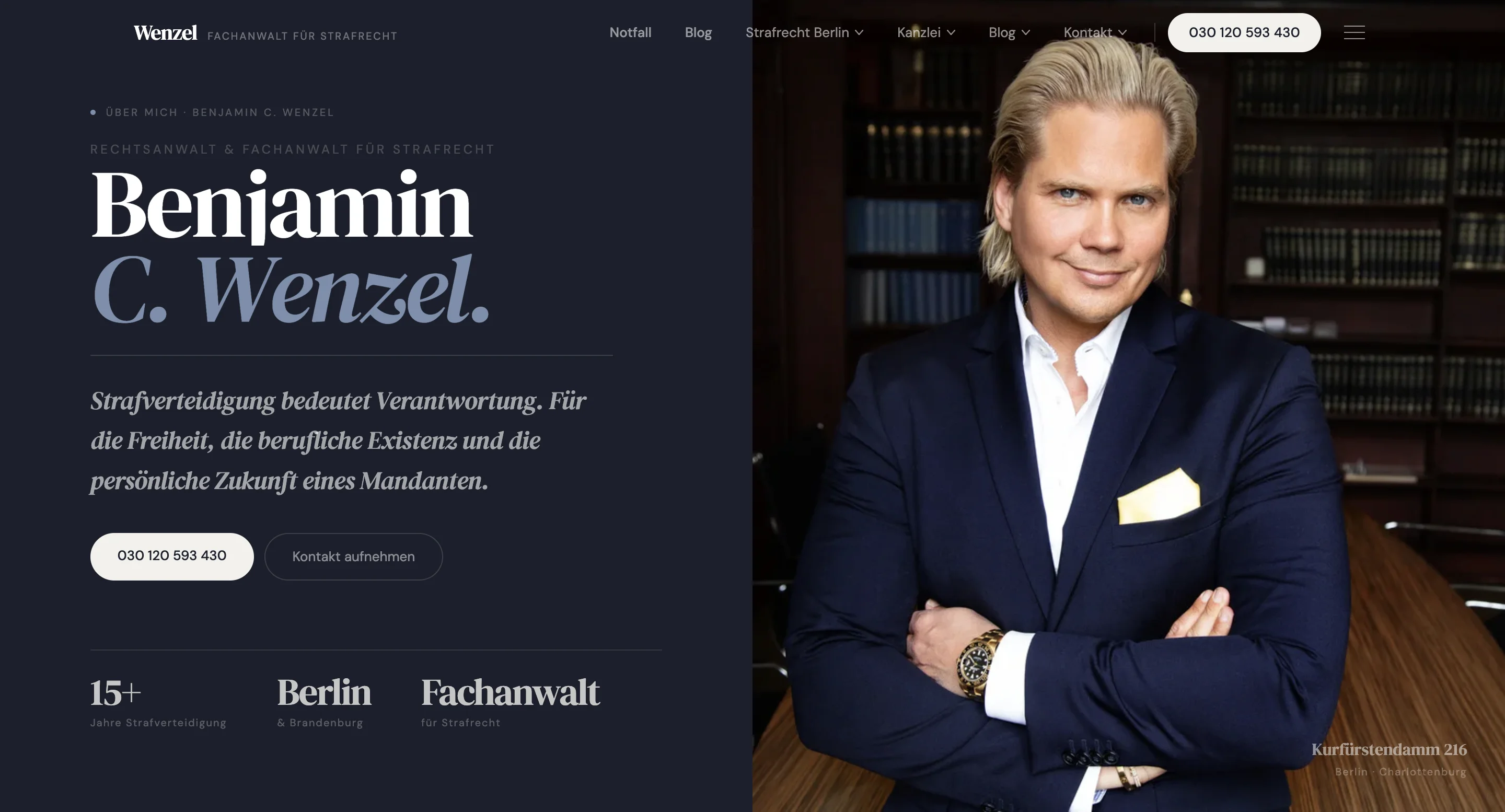
Benjamin C. Wenzel - Legal-Tech Criminal Defense Platform
Custom-built criminal defense platform with public authority site, digital intake, secure client portal, internal case operations, billing, and audit-ready workflow logic.
Vulken FM
Inspection & Asset Management Platform - Internal survey and compliance system for facilities management with mobile inspection app and web-based admin platform.

EventStripe
Event Management & Payment Processing Platform - Scalable event ticketing and payment processing system.
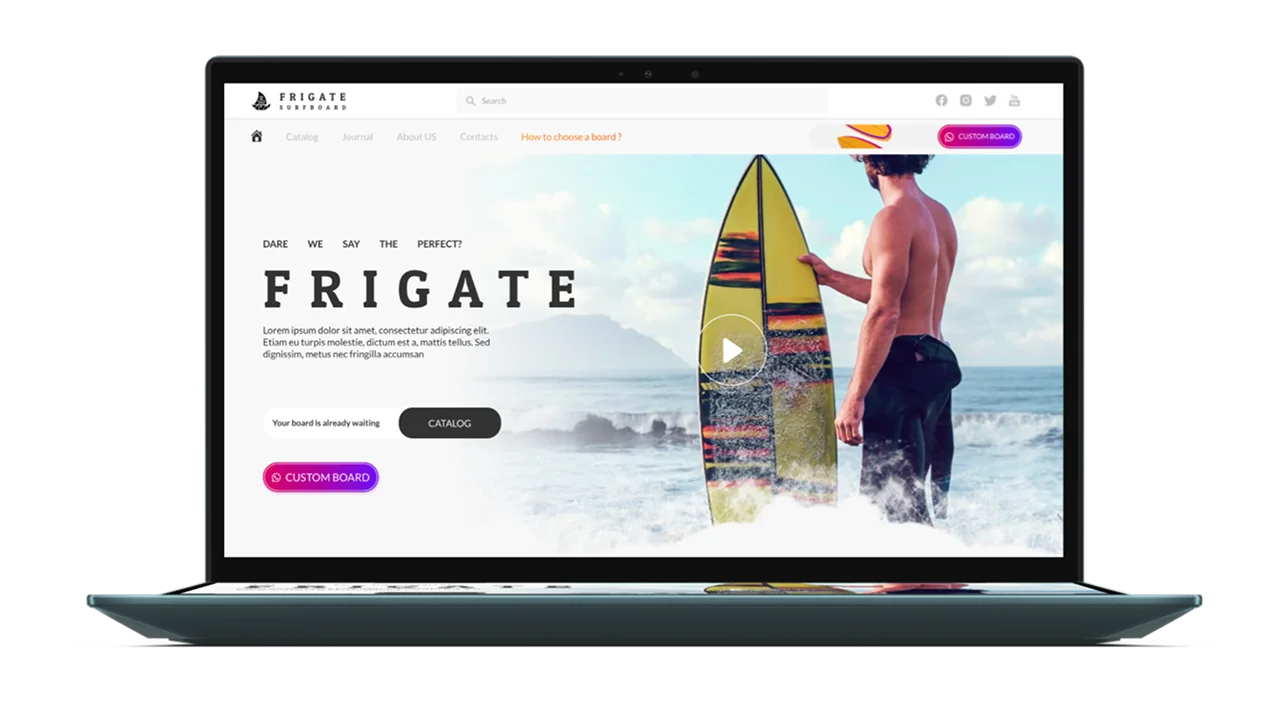
Frigate Surfboards
E-Commerce Platform for a Premium Surf Brand - Bringing craftsmanship and storytelling online.
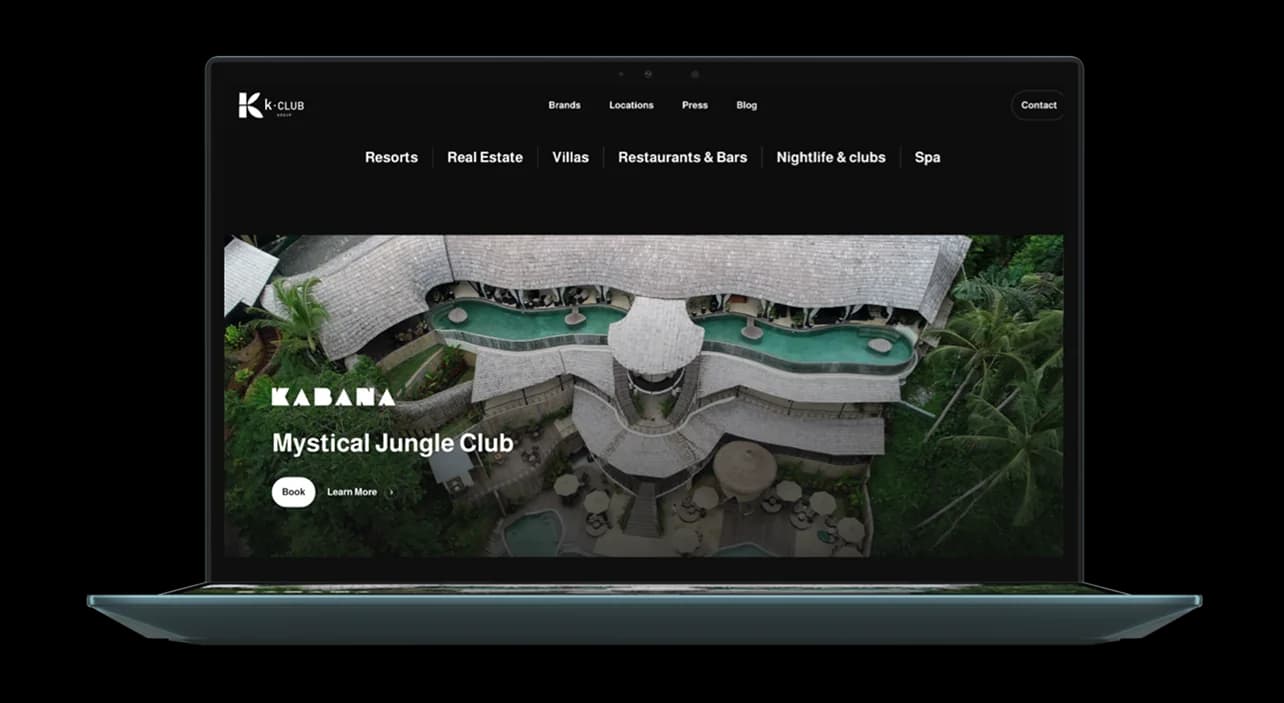
K Club Group
Digital Platform for Barefoot Luxury Experiences - From place to platform.
Matahari Hills
Digital Experience for Earth-Conscious Development - Transforming a premium property concept into a conversion-driven digital platform.
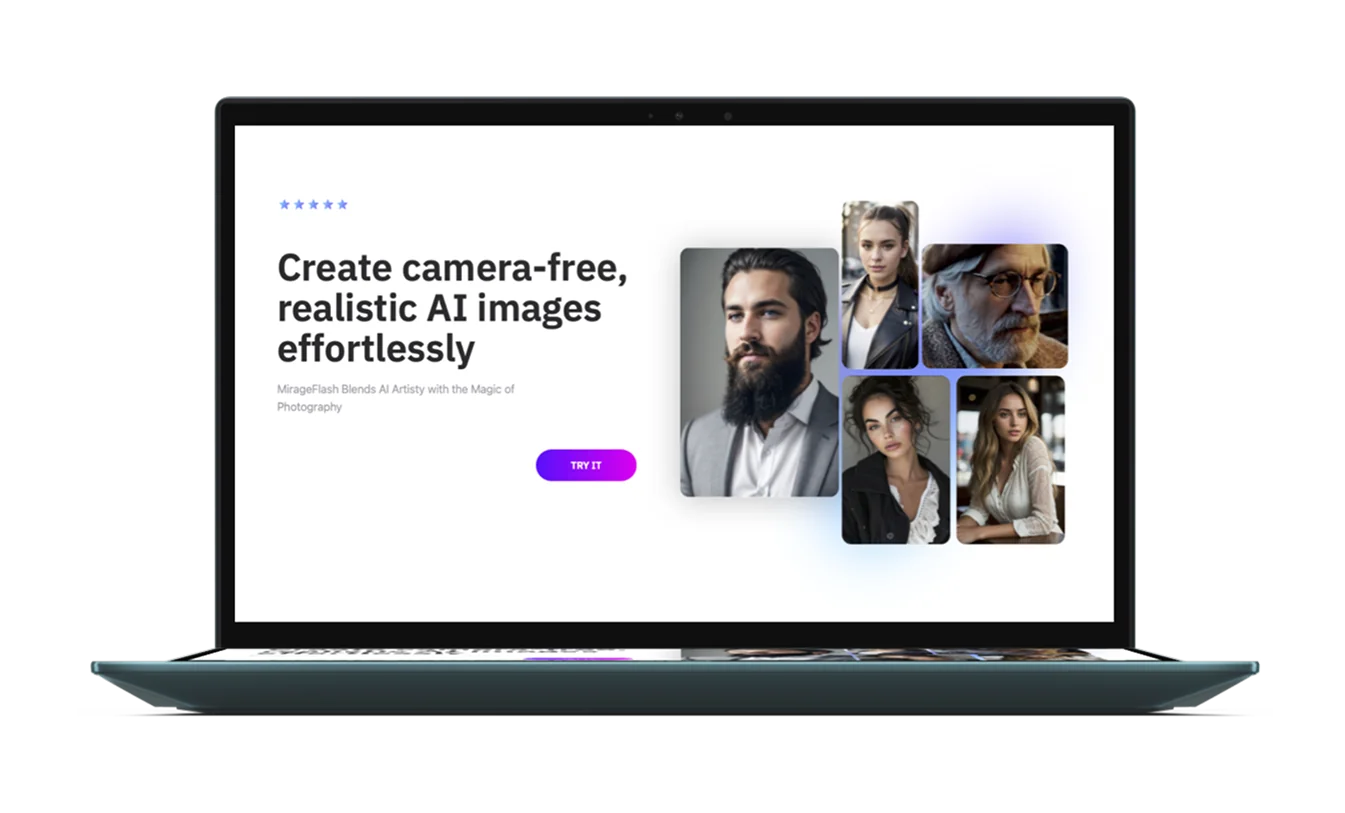
MirageFlash
AI-Powered Visual Platform for Creative Expression - Fusing cutting-edge AI with intuitive design to revolutionize image creation for social media creators.
FAQ
Traditional SEO focuses on keywords, backlinks, and individual page optimization. Semantic SEO focuses on entities, relationships, and how search engines understand your site as a knowledge system. Semantic SEO is about structure and meaning, not just content volume. It's designed for AI-era search where Google interprets entities and intent clusters, not isolated keywords.
Entity modeling creates clear relationships between your services, technologies, and use cases. This helps Google understand your topical authority, reduces keyword cannibalization, and improves crawl efficiency. When search engines can clearly map your expertise and service boundaries, they can rank you more accurately for relevant queries.
Semantic SEO is especially important for maintaining rankings in competitive markets and preparing for AI-driven search. If you're competing against well-structured competitors, semantic architecture becomes a differentiator. It also protects against ranking volatility and improves long-term stability.
A semantic architecture audit takes 1-2 weeks. Full implementation (entity modeling, URL restructuring, schema implementation, content engineering) typically takes 6-12 weeks depending on site size and complexity. We start with an audit to identify priorities and quick wins.
Yes — we can audit and restructure existing content to align with semantic principles. This includes reorganizing URL structures, implementing schema, improving internal linking, and clarifying entity boundaries. We don't require starting from scratch — we optimize what you have while building semantic clarity.
Keep reading from the blog
More insights and best practices on this topic.
Semantic SEO architecture for companies operating production websites. We support organizations with entity-based architecture, topic modeling, and semantic SEO design based on the specific technical and regulatory context of each project. All services are delivered individually and depend on system requirements and constraints.
Semantic SEO outcomes depend on existing content quality, site structure, and competitive landscape. All services are delivered individually based on system requirements and constraints.
SEO measures and semantic architecture do not guarantee specific rankings or visibility metrics, as search engines independently determine evaluation and weighting.