

System Scalability Assessment
Capacity Evaluation, Bottleneck Identification & Scalable Architecture Design for Growth
This System Scalability Assessment answers a concrete question: How far does your system scale today — measured by real load behavior, not assumptions. We identify capacity limits, bottlenecks, and failure modes under load, and derive a prioritized growth roadmap. For structural architecture and design questions (patterns, service boundaries, target architecture), see Backend Architecture Audit.
The problem: growth without scalability clarity
Many systems appear stable — until growth exposes hidden limits:
Traffic or data volume increases cause latency spikes
Infrastructure scales, but performance does not
Databases become bottlenecks
Microservices amplify load instead of absorbing it
Teams don't know real capacity limits
Scaling decisions are based on assumptions, not data
Without a scalability assessment, growth often involves increased risk and uncertainty.
Our approach: data-driven scalability analysis
We assess scalability as a system property, not as isolated metrics. Our goal is to:
What we assess
Comprehensive evaluation across multiple dimensions of system scalability.
System capacity & load behavior
- Current throughput and concurrency limits
- Request, event, and transaction patterns
- Peak vs. sustained load
- Resource utilization under stress
Bottlenecks & constraints
- Application-level bottlenecks
- Database and storage limits
- Network and I/O constraints
- Synchronization and locking issues
- Single points of failure
Scalability architecture
- Stateless vs. stateful components
- Horizontal scaling readiness
- Load balancing and traffic distribution
- Caching strategies
- Data partitioning and sharding readiness
Infrastructure & operations
- Deployment topology
- Auto-scaling behavior
- Container and orchestration limits
- Observability and alerting gaps
- Failure recovery and resilience
- SLO/SLA readiness (latency budgets, error budgets, alerting thresholds)
- Capacity and incident risk (where does the system fail first?)
Deliverables
You receive structured, decision-supporting results: Optional: implementation and optimization support by our backend and platform engineers.
Typical use cases
Preparing a system for traffic or user growth
Evaluating readiness for enterprise customers
Preventing performance incidents before scale
Supporting investment or technical due diligence
Validating scalability assumptions
Planning infrastructure and architecture evolution
Technologies & focus areas
- Java & Spring Boot backends, Microservices & distributed systems, High-load APIs and event-driven systems, Databases & data pipelines, Cloud and container platforms, Performance and load behavior analysis.

Who this service is for
Why H-Studio
Deep experience with scalable backend systems
Engineering-first, measurement-driven approach
Real production and high-load expertise
Vendor-neutral recommendations
Clear documentation and diagrams
Actionable outcomes, not theoretical advice

Every engagement begins with an Architecture Sprint
Five working days. One senior engineer. A clear map of system boundaries, scaling risks, stack decisions, and a delivery roadmap — before a single line of production code.
- 01Day 1
Discovery: domain, constraints, growth targets
- 02Day 2
System mapping: services, data, integrations
- 03Day 3-4
Stack decisions and risk model
- 04Day 5
Roadmap & costed delivery plan
Ready to start with architecture, not features?
Five days. One senior engineer. A clear path forward.
Or talk to us first Get in touch
Founder-relevant case studies
Vulken FM
Inspection & Asset Management Platform - Internal survey and compliance system for facilities management with mobile inspection app and web-based admin platform.

EventStripe
Event Management & Payment Processing Platform - Scalable event ticketing and payment processing system.

PlayDeck - Powering Telegram's Gaming Ecosystem
How we built the backend architecture for Telegram's fastest-growing gaming platform.
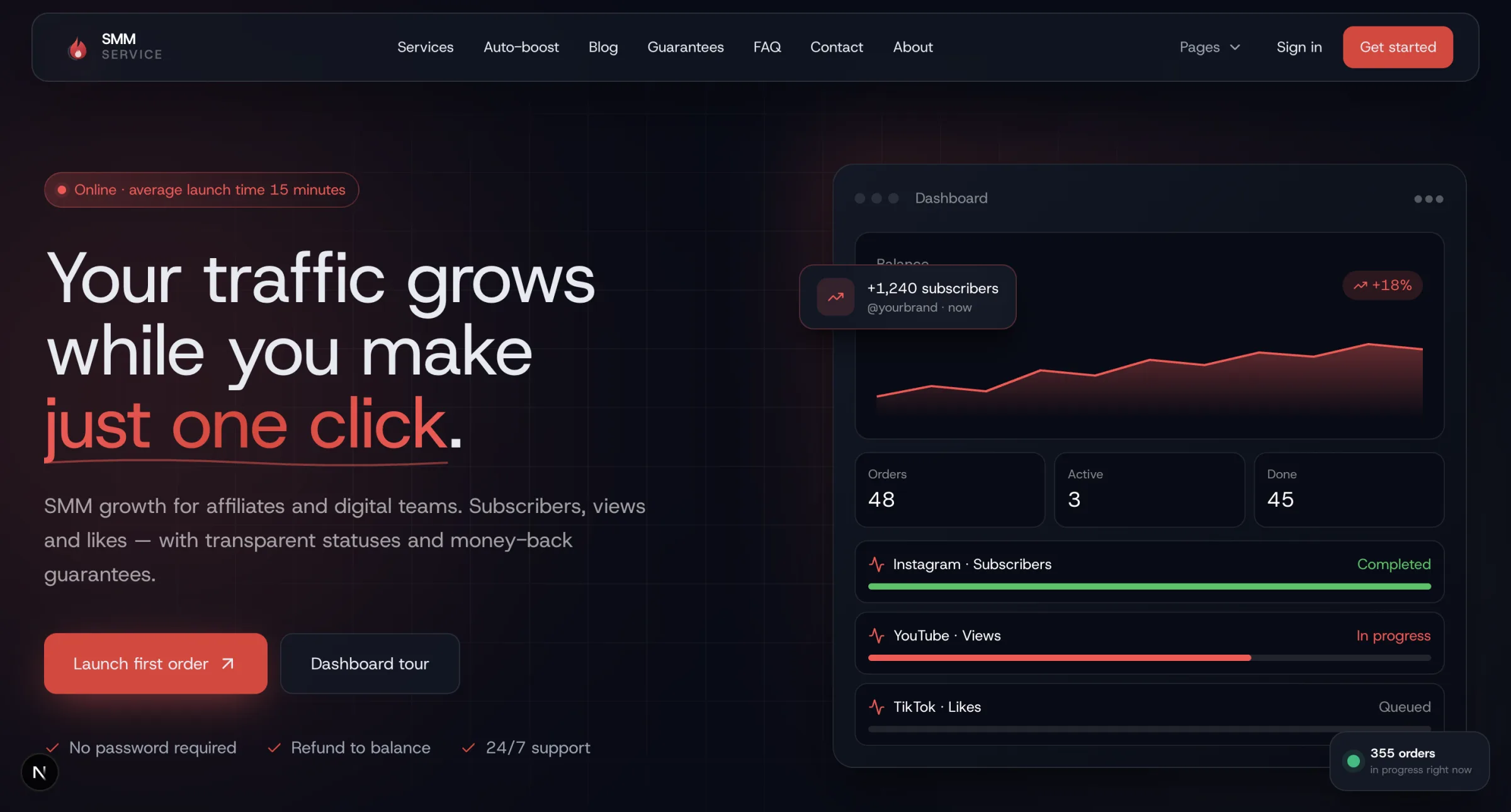
Creator Marketing Platform - Engagement Services Marketplace
End-to-end engineering for a multi-tenant creator marketing platform: Java Spring backend, Next.js dashboard, admin console, and a provider-aggregated catalog of 1,200+ services across thirteen platforms.
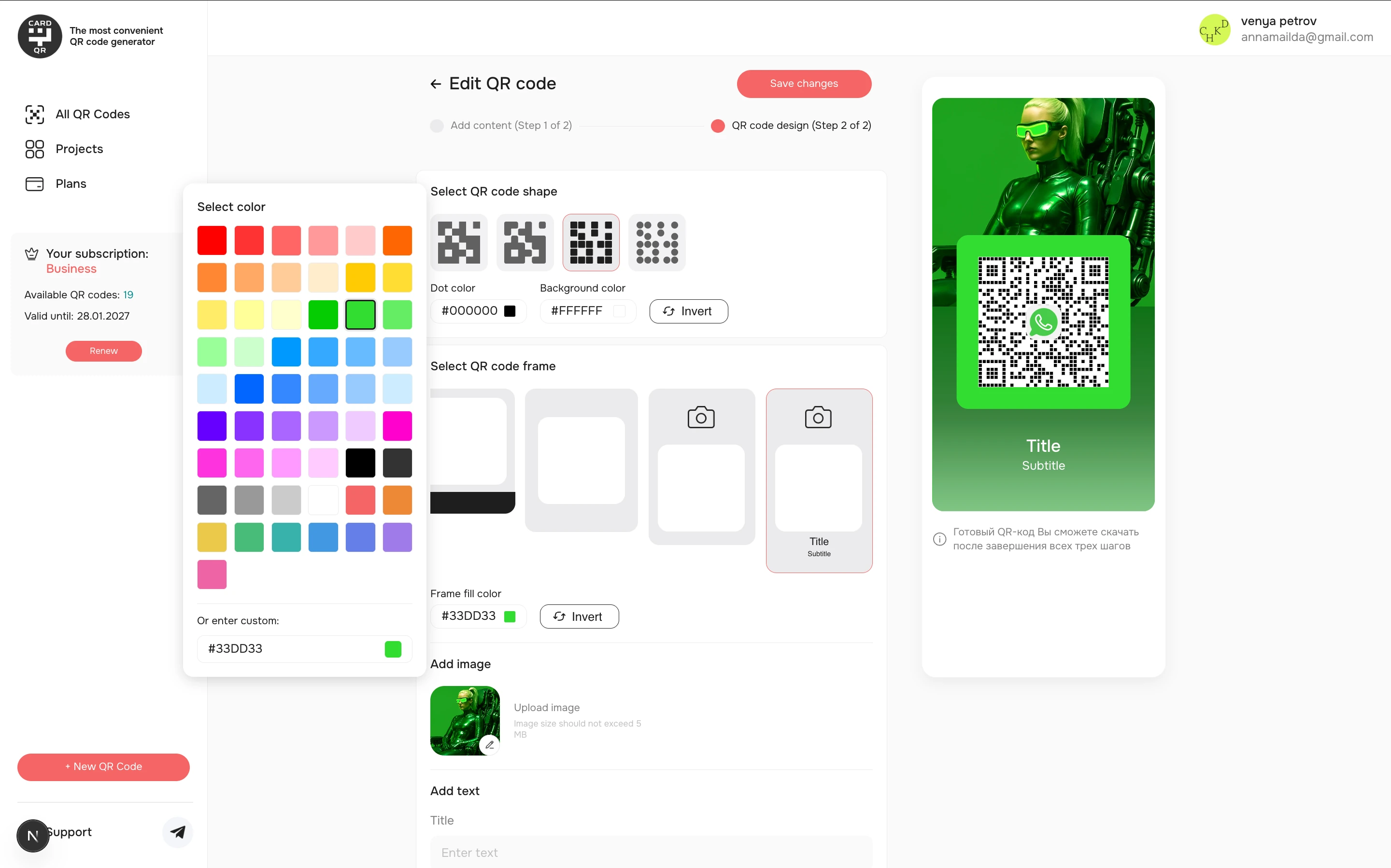
Web Page Generator - SaaS Platform for Dynamic Web Pages
Full-scale SaaS web application for creating and managing dynamic web pages connected to QR codes and custom URLs.

Forschungsmittel.com
B2B funding website and connected product platform with client dashboard, team workspace, document workflow, and operational command center.

Benjamin C. Wenzel - Legal-Tech Criminal Defense Platform
Custom-built criminal defense platform with public authority site, digital intake, secure client portal, internal case operations, billing, and audit-ready workflow logic.

VTB Bank
Real-Time Data Streaming Platform - High-performance data-streaming platform capable of processing millions of financial messages per second.
FAQ
Assessment timelines depend on system complexity and scope. Typical assessments take 2-4 weeks, including load testing, capacity analysis, bottleneck identification, and report delivery.
We typically need access to staging or production environments for load testing, monitoring data, and performance analysis. We can work with NDAs and security requirements.
A scalability assessment focuses on capacity limits, bottlenecks, and growth readiness. An architecture audit reviews overall system design, patterns, and structural issues. Both complement each other.
Yes — we assess scalability across monoliths, microservices, and hybrid architectures. We evaluate both individual service capacity and overall system scalability.
The assessment is a standalone service, but we can provide implementation and optimization support separately if you decide to act on the recommendations.
Scalability assessments and recommendations are based on observed system behavior, test conditions, and available data. Actual scalability outcomes depend on implementation, operational practices, and future workload changes.
Keep reading from the blog
More insights and best practices on this topic.

SaaS in B2B: Architecture, Scaling and Compliance
Discover what SaaS really means for B2B startups: architecture, scaling and compliance. Avoid the common mistakes and secure your growth.
Read
Building Production-Ready SaaS: Scalable and GDPR-Compliant
How to build production-ready SaaS systems: scalable multi-tenant architecture, GDPR compliance, and an engineering standard for the DACH market.
ReadMonolith vs Microservices in 2025: What Actually Works (and Why Most Teams Get It Wrong)
Few topics generate as much noise and expensive mistakes as monolith vs microservices. Learn what actually works for startups and growing products—and why most architectures fail long before scale becomes a real problem.
ReadFrom MVP to 100k Users: What Must Change Technically
The systems most startups forget to rebuild—until it's too late. Most MVPs are built to answer one question: 'Does anyone want this?' Systems at 100k users answer a different one: 'Can this survive daily reality without burning the team?'
ReadSystem scalability assessment for companies operating production systems. We support organizations with capacity evaluation, scalability analysis, and architecture design based on the specific technical and regulatory context of each project. All services are delivered individually and depend on system requirements and constraints.