


Backend Architecture & Platform Strategy
Platform-level guidance for backend structures, event-driven trade-offs, and long-term system roadmaps.
We advise teams on core backend architecture decisions — from modular boundaries and scaling models to event-driven trade-offs and platform roadmaps. The focus is not on tools, but on resilience, changeability, and long-term system stability. If your main challenge is service boundaries, data consistency, and failure isolation inside an existing multi-service system, use Distributed Systems Consulting.
What Architecture & Systems Consulting Covers
Architecture is not about frameworks — it's about how your system behaves under load, change, and regulatory pressure. We help you make architecture decisions that reduce risk, rewrites, and operational pain.
Backend architecture and system boundaries
Event-driven and messaging concepts
Scalability and load models
Data flows, consistency, and contracts
Audit, security, and compliance implications
Infrastructure-aware system design

Typical Problems We Solve
Teams usually reach out when: We step in to analyse, simplify, and redesign the architecture where appropriate.
Our Architecture Approach
We don't push a single pattern. We choose what fits your product stage and constraints.
Architecture Patterns We Design
- Modular monoliths with clear boundaries
- Microservices (only when justified)
- Event-driven architectures
- CQRS & asynchronous processing
- High-load API-first systems
- Hybrid architectures (sync + async)
Design Principles
- Scalability without premature complexity
- Explicit data ownership
- Clear service contracts
- Observability-first design
- Infrastructure-aware decisions
- Security and compliance by default
Deliverables You Get
Depending on engagement type, you receive: This is usable architecture, not theory.
Engagement Formats
Architecture Audit & Review
Independent review of your current backend architecture with concrete recommendations.
Architecture Design Sprint
Short, focused engagement to design or redesign backend architecture for a new product or major refactor.
CTO-Level Advisory
Ongoing architecture guidance during scaling, migrations, or platform expansion.
Who This Is For
Founders preparing to scale beyond MVP
Teams stuck between monolith and microservices
Companies experiencing backend performance issues
Enterprises modernizing legacy systems
Products with complex data flows and integrations
Every engagement begins with an Architecture Sprint
Five working days. One senior engineer. A clear map of system boundaries, scaling risks, stack decisions, and a delivery roadmap — before a single line of production code.
- 01Day 1
Discovery: domain, constraints, growth targets
- 02Day 2
System mapping: services, data, integrations
- 03Day 3-4
Stack decisions and risk model
- 04Day 5
Roadmap & costed delivery plan
Ready to start with architecture, not features?
Five days. One senior engineer. A clear path forward.
Or talk to us first Get in touch
Founder-relevant case studies
Vulken FM
Inspection & Asset Management Platform - Internal survey and compliance system for facilities management with mobile inspection app and web-based admin platform.

PlayDeck - Powering Telegram's Gaming Ecosystem
How we built the backend architecture for Telegram's fastest-growing gaming platform.

EventStripe
Event Management & Payment Processing Platform - Scalable event ticketing and payment processing system.
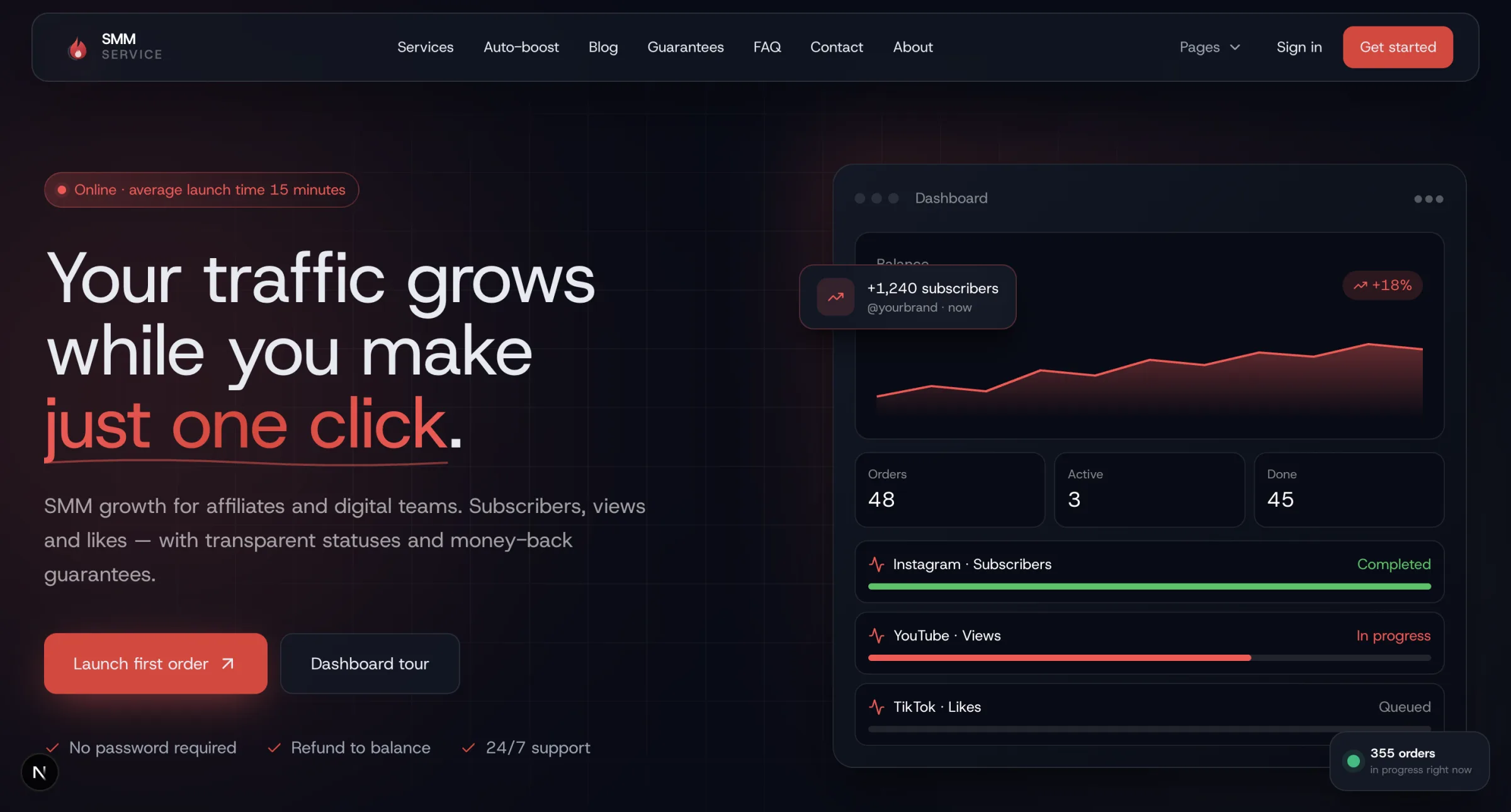
Creator Marketing Platform - Engagement Services Marketplace
End-to-end engineering for a multi-tenant creator marketing platform: Java Spring backend, Next.js dashboard, admin console, and a provider-aggregated catalog of 1,200+ services across thirteen platforms.

VTB Bank
Real-Time Data Streaming Platform - High-performance data-streaming platform capable of processing millions of financial messages per second.

Societe Generale
Personalized Advertising & Credit Service Platform - Advanced financial services with real-time personalization.

Sber
Enterprise Data Analytics Platform - Comprehensive data processing and analytics solution for Russia's largest bank.
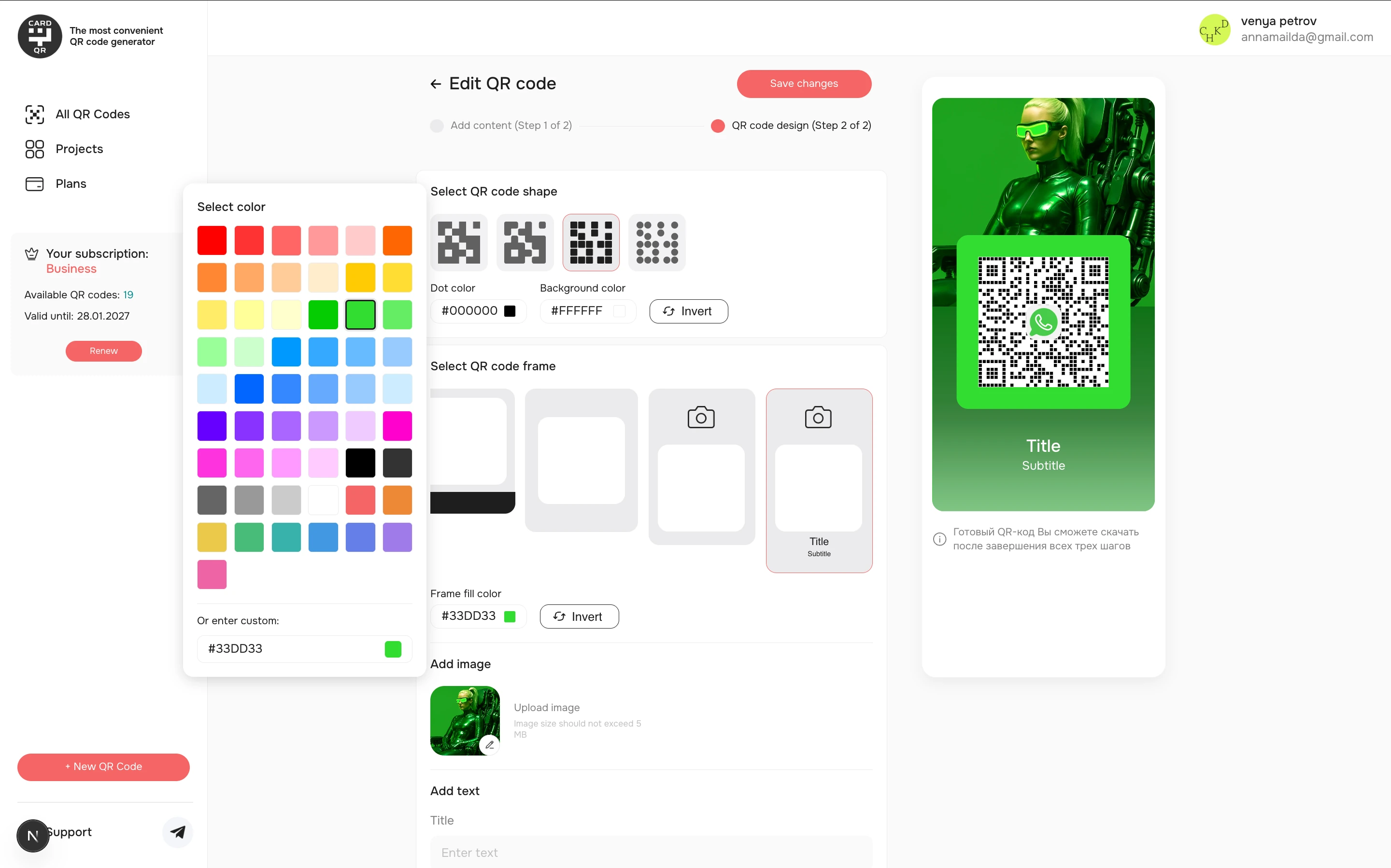
Web Page Generator - SaaS Platform for Dynamic Web Pages
Full-scale SaaS web application for creating and managing dynamic web pages connected to QR codes and custom URLs.
FAQ
Architecture & Systems Consulting focuses on system design, scalability strategy, and architectural decisions. Backend Development is the implementation phase. We often do consulting first to validate architecture, then implement or guide your team through implementation.
A typical architecture review takes 1-2 weeks, depending on system complexity. This includes analysis, documentation review, interviews with your team, and a written report with recommendations.
We work with both. We help design new backend architectures and also review, stabilize, and refactor existing systems that are experiencing scaling or maintainability issues.
Yes — we design migration strategies that minimize risk. This includes identifying service boundaries, planning data migration, designing API contracts, and creating a phased rollout plan.
You receive architecture diagrams, service boundary definitions, API design documents, technology recommendations, scaling strategies, and written guidelines. All deliverables are actionable and ready for your team to implement.
Related Services
Keep reading from the blog
More insights and best practices on this topic.
Architecture & systems consulting for companies operating production platforms. We support organizations with scalable backend design, event-driven systems, and system architecture based on the specific technical and regulatory context of each project. All services are delivered individually and depend on system requirements and constraints.
Architectural outcomes depend on implementation quality, operational practices, workloads, and organisational constraints. No specific scalability, availability, or performance guarantees are provided.