


Distributed Systems Consulting
Architecture consulting for service boundaries, consistency models, and failure modes in multi-service systems.
We provide Distributed Systems Consulting for companies building or operating systems composed of multiple services, data stores, and teams — where service boundaries, consistency, and coordination matter as much as throughput. This service focuses on designing, reviewing, and evolving distributed architectures that work under real-world conditions: partial failures, network latency, asynchronous communication, and continuous change. Unlike SRE consulting, the primary focus here is system architecture and inter-service design, not on-call models or reliability operations.
Distributed Systems Consulting = service boundaries, contracts, consistency, and failure isolation in multi-service setups. For reliability operations, SLOs, incident response, and on-call design, see SRE Consulting. For implementation see Microservices Development; for load/throughput see High-Load Systems Engineering.
What Distributed Systems Really Are
Distributed systems are not just "many services".
Components fail independently
Network latency is unavoidable
Data consistency is a trade-off
Operations are asynchronous
Scaling introduces coordination challenges
We help teams design systems that embrace these realities instead of fighting them. Outcome: clear service boundaries, communication rules, and an actionable plan (ADRs + roadmap).
Typical Challenges We Solve
Teams usually contact us when:
Our Distributed Systems Approach
Architecture & Boundaries
- Service boundaries based on domain logic
- Clear ownership and responsibility
- Avoiding unnecessary microservices
Communication Patterns
- Synchronous vs asynchronous decisions
- Event-driven vs request-based flows
- API contracts and versioning strategies
Data & Consistency
- Data ownership per service
- Eventual consistency models
- Transaction boundaries and compensation
Resilience & Fault Isolation
- Failure containment
- Timeouts, retries, circuit breakers
- Graceful degradation
Observability for Multi-Service Debugging
- Distributed tracing and logging
- Metrics for system health
- Debuggable production systems
What We Deliver
Depending on the engagement, we provide: Everything is practical, documented, and actionable.
Technologies & Patterns
We are technology-agnostic but commonly work with:
Patterns
- Service boundaries
- Contracts/Versioning
- Sagas/Outbox
- Backpressure
- Circuit breakers
- Tracing/SLIs
Tools (examples)
- OpenTelemetry/Jaeger
- Prometheus/Grafana
- ELK
- Kafka/RabbitMQ
- Kubernetes
When Distributed Systems Consulting Is Right
Your system consists of many services
Teams struggle with coordination and ownership
Failures are hard to isolate
Scaling introduces instability
You plan to move toward or away from microservices
Every engagement begins with an Architecture Sprint
Five working days. One senior engineer. A clear map of system boundaries, scaling risks, stack decisions, and a delivery roadmap — before a single line of production code.
- 01Day 1
Discovery: domain, constraints, growth targets
- 02Day 2
System mapping: services, data, integrations
- 03Day 3-4
Stack decisions and risk model
- 04Day 5
Roadmap & costed delivery plan
Ready to start with architecture, not features?
Five days. One senior engineer. A clear path forward.
Or talk to us first Get in touch
Founder-relevant case studies
Vulken FM
Inspection & Asset Management Platform - Internal survey and compliance system for facilities management with mobile inspection app and web-based admin platform.

EventStripe
Event Management & Payment Processing Platform - Scalable event ticketing and payment processing system.

PlayDeck - Powering Telegram's Gaming Ecosystem
How we built the backend architecture for Telegram's fastest-growing gaming platform.
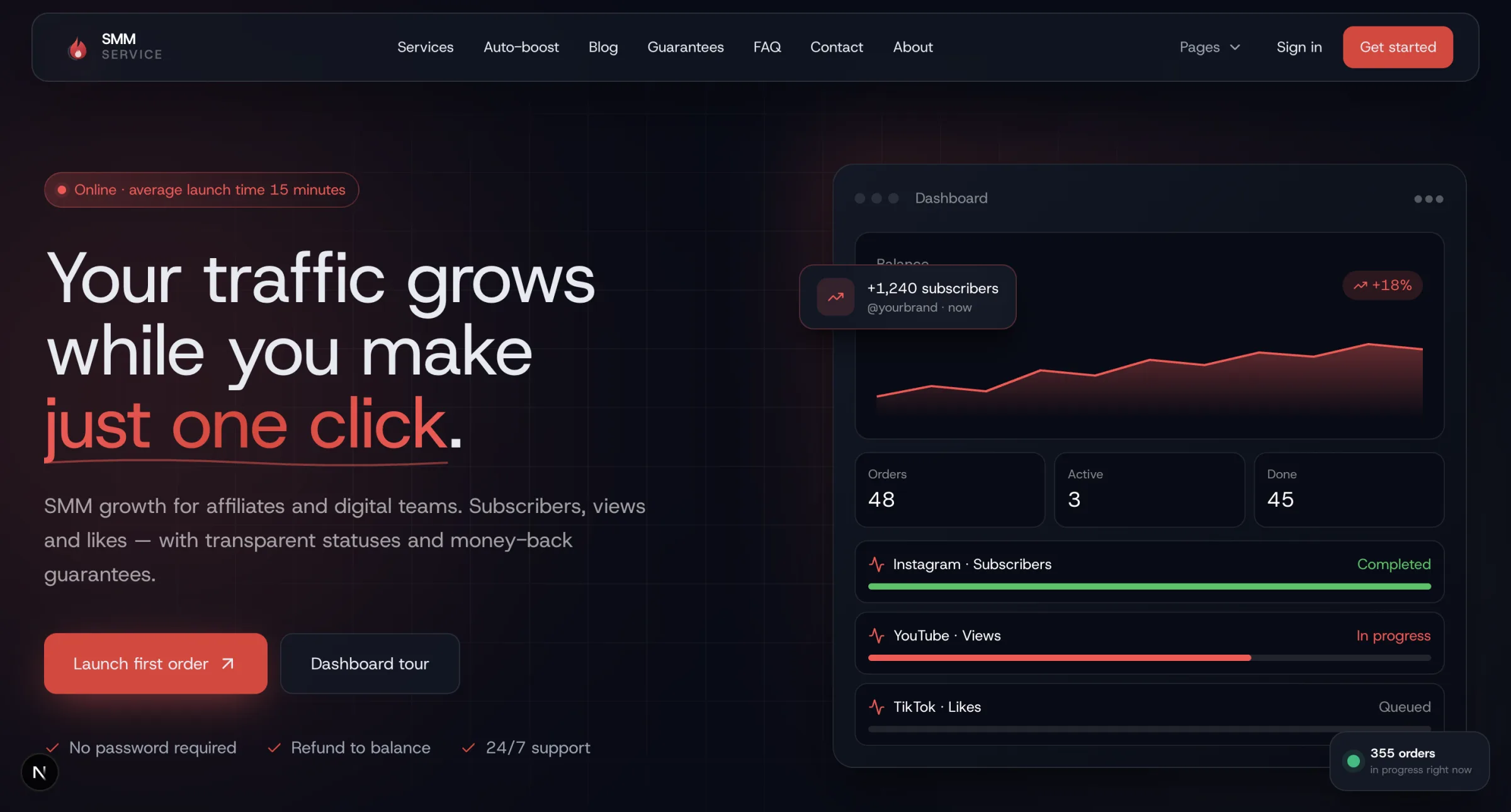
Creator Marketing Platform - Engagement Services Marketplace
End-to-end engineering for a multi-tenant creator marketing platform: Java Spring backend, Next.js dashboard, admin console, and a provider-aggregated catalog of 1,200+ services across thirteen platforms.

VTB Bank
Real-Time Data Streaming Platform - High-performance data-streaming platform capable of processing millions of financial messages per second.

Societe Generale
Personalized Advertising & Credit Service Platform - Advanced financial services with real-time personalization.

Sber
Enterprise Data Analytics Platform - Comprehensive data processing and analytics solution for Russia's largest bank.
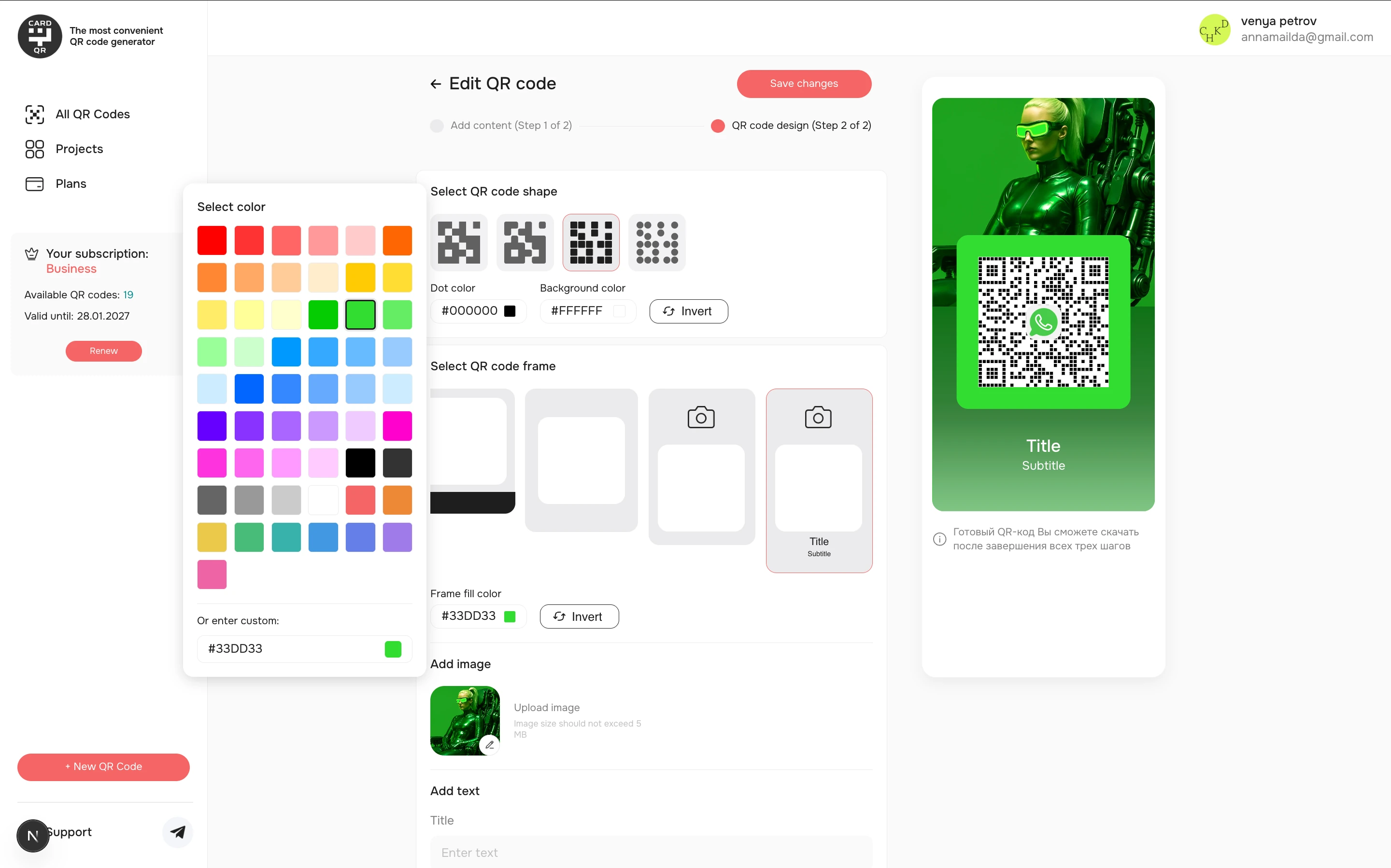
Web Page Generator - SaaS Platform for Dynamic Web Pages
Full-scale SaaS web application for creating and managing dynamic web pages connected to QR codes and custom URLs.
FAQ
Distributed Systems Consulting focuses on architecture, coordination, and system design for multi-service systems. Microservices Development is the implementation phase. We often do consulting first to validate the architecture, then guide implementation.
We design for eventual consistency where appropriate, use distributed transactions only when necessary, implement compensation patterns, and ensure clear data ownership per service. The approach depends on your specific requirements and trade-offs.
Yes — we design migration strategies that minimize risk. This includes identifying service boundaries, planning data migration, designing communication patterns, and creating a phased rollout plan with rollback options.
We design for failure containment using circuit breakers, timeouts, retries, graceful degradation, and clear service boundaries. This prevents failures from cascading across the system.
We recommend distributed tracing (OpenTelemetry, Jaeger), centralized logging (ELK stack), metrics (Prometheus, Grafana), and service mesh observability. The exact stack depends on your infrastructure and requirements.
Keep reading from the blog
More insights and best practices on this topic.
Monolith vs Microservices in 2025: What Actually Works (and Why Most Teams Get It Wrong)
Few topics generate as much noise and expensive mistakes as monolith vs microservices. Learn what actually works for startups and growing products—and why most architectures fail long before scale becomes a real problem.
ReadEdge Computing and IoT: Architecture, Latency, and Data Processing
As connected devices, sensors, and real-time systems proliferate, edge computing — processing data closer to where it is generated — is gaining importance. This article explains what edge computing means, why it is closely linked to IoT and 5G, and when edge architectures make sense for real systems — with a focus on practical constraints and architectural decisions.
Read
Scalable Backend Systems: Architecture for SaaS Growth
Which backend architectures hold up as a B2B SaaS grows? Multi-tenant models, resilience patterns and microservice granularity for 12 to 24 months of real growth.
ReadNext.js Is Not the Problem — Your Architecture Is
Every few months, teams blame Next.js for performance, SEO, or scaling issues. In many cases, the conclusion is wrong. Next.js is often not the problem—your architecture is. Learn why framework rewrites fail and what actually works.
ReadDistributed systems consulting for companies operating production distributed systems. We support organizations with microservices architecture, distributed system design, and system architecture based on the specific technical and regulatory context of each project. All services are delivered individually and depend on system requirements and constraints.
Distributed system characteristics such as scalability, reliability, and fault tolerance depend on architecture, implementation, workloads, and operational practices. No specific guarantees are provided.