


Java Backend Performance Optimization
Profiling-based backend optimization for JVM, GC, latency, and throughput
We provide Java Performance Optimization for backend systems where performance, stability, and resource efficiency play a critical role for the business. This service focuses on identifying real bottlenecks in production-grade Java applications and fixing them systematically — not through guesswork, but through profiling, measurement, and architectural tuning.
Java Performance Optimization = profiling-based optimization of JVM, GC, code, and data access with measurable before/after results. For frontend interaction latency, motion, and perceived speed, see UI Performance Optimization. For architecture & scaling with millions of requests/events, see High-Load Systems Engineering.
When Java Performance Becomes a Problem
Teams usually reach out when: We help teams improve the measurability, efficiency, and operational transparency of Java systems.
Latency increases under load
Memory usage grows unpredictably
Garbage Collection causes pauses
CPU usage spikes without clear reasons
Throughput plateaus despite scaling
JVM tuning feels like trial and error
What We Optimize
JVM & Runtime
- Heap sizing and GC tuning
- Threading and concurrency behavior
- Memory allocation patterns
- JVM flags based on real workloads
Application Code
- Hot path optimization
- Inefficient object creation
- Blocking vs non-blocking execution
- Algorithmic and data structure issues
Framework & Stack
- Spring Boot startup and runtime tuning
- Connection pools (DB, HTTP, Kafka)
- Serialization and deserialization overhead
- Caching strategies
Data & I/O
- Database access patterns
- Batch vs streaming processing
- Backpressure handling
- Network and serialization costs
Our Performance Optimization Process
Baseline & Profiling
- JVM profiling (CPU, memory, GC)
- Load and stress analysis
- Identification of real bottlenecks
Targeted Optimization
- Fixing the highest-impact issues first
- Removing unnecessary overhead
- Improving concurrency and throughput
Validation
- Before/after performance comparison
- Load test verification
- Clear performance metrics
Documentation
- Explained changes and trade-offs
- JVM and application tuning guidelines
- Recommendations for future growth
What You Get
No black-box tuning. Everything is transparent and documented.
Observed Improvements in Selected Projects
In individual optimization projects, we have observed:
Technologies & Context
We commonly optimize systems built with:
When Java Performance Optimization Is Right
This service is ideal if:
- Java is your core backend
- Performance issues affect users or costs
- Scaling hardware no longer helps
- You need predictable production behavior
- You want measurable improvements, not guesses

Every engagement begins with an Architecture Sprint
Five working days. One senior engineer. A clear map of system boundaries, scaling risks, stack decisions, and a delivery roadmap — before a single line of production code.
- 01Day 1
Discovery: domain, constraints, growth targets
- 02Day 2
System mapping: services, data, integrations
- 03Day 3-4
Stack decisions and risk model
- 04Day 5
Roadmap & costed delivery plan
Ready to start with architecture, not features?
Five days. One senior engineer. A clear path forward.
Or talk to us first Get in touch
Founder-relevant case studies

PlayDeck - Powering Telegram's Gaming Ecosystem
How we built the backend architecture for Telegram's fastest-growing gaming platform.
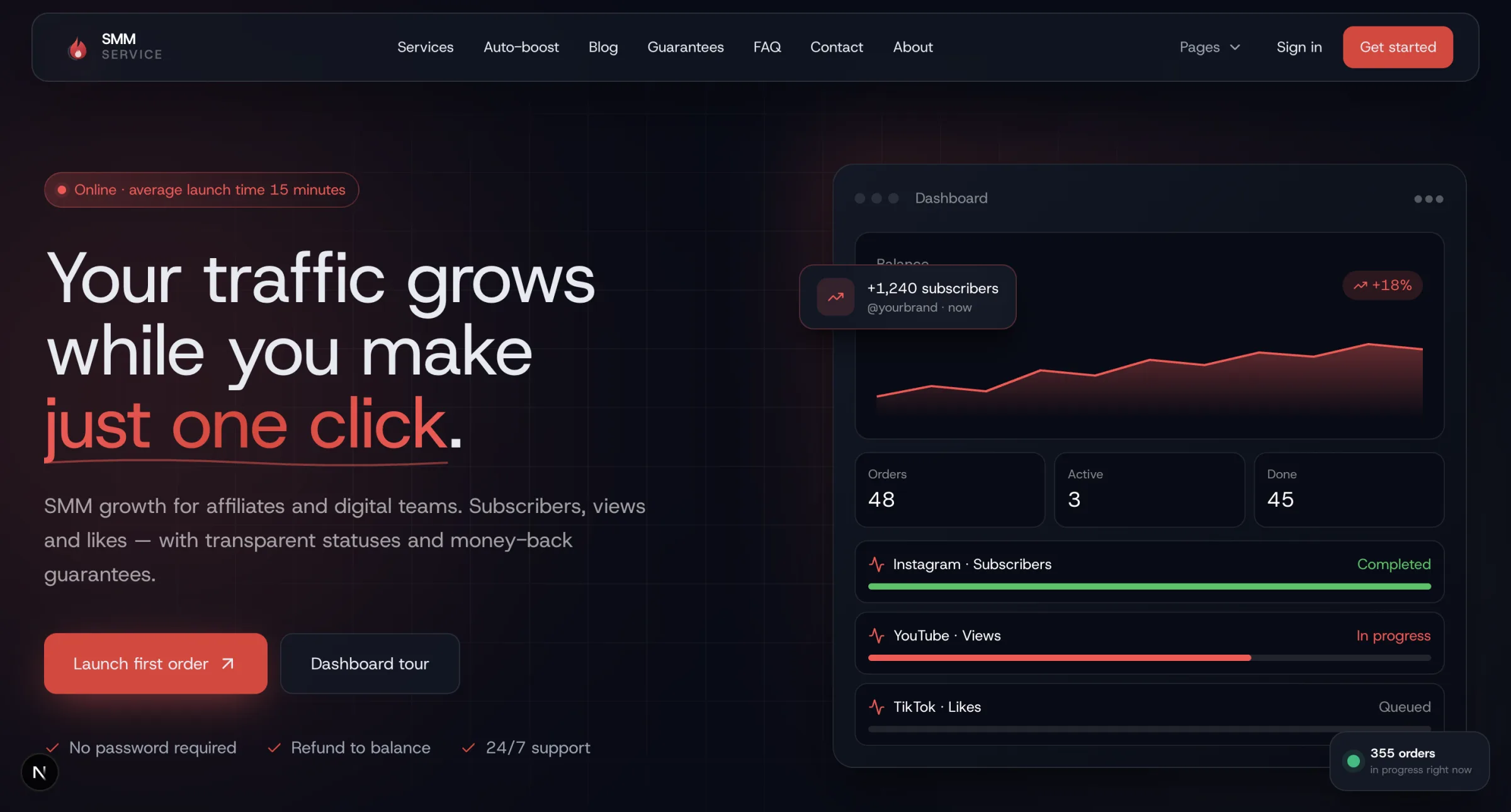
Creator Marketing Platform - Engagement Services Marketplace
End-to-end engineering for a multi-tenant creator marketing platform: Java Spring backend, Next.js dashboard, admin console, and a provider-aggregated catalog of 1,200+ services across thirteen platforms.

EventStripe
Event Management & Payment Processing Platform - Scalable event ticketing and payment processing system.

Vulken FM
Inspection & Asset Management Platform - Internal survey and compliance system for facilities management with mobile inspection app and web-based admin platform.
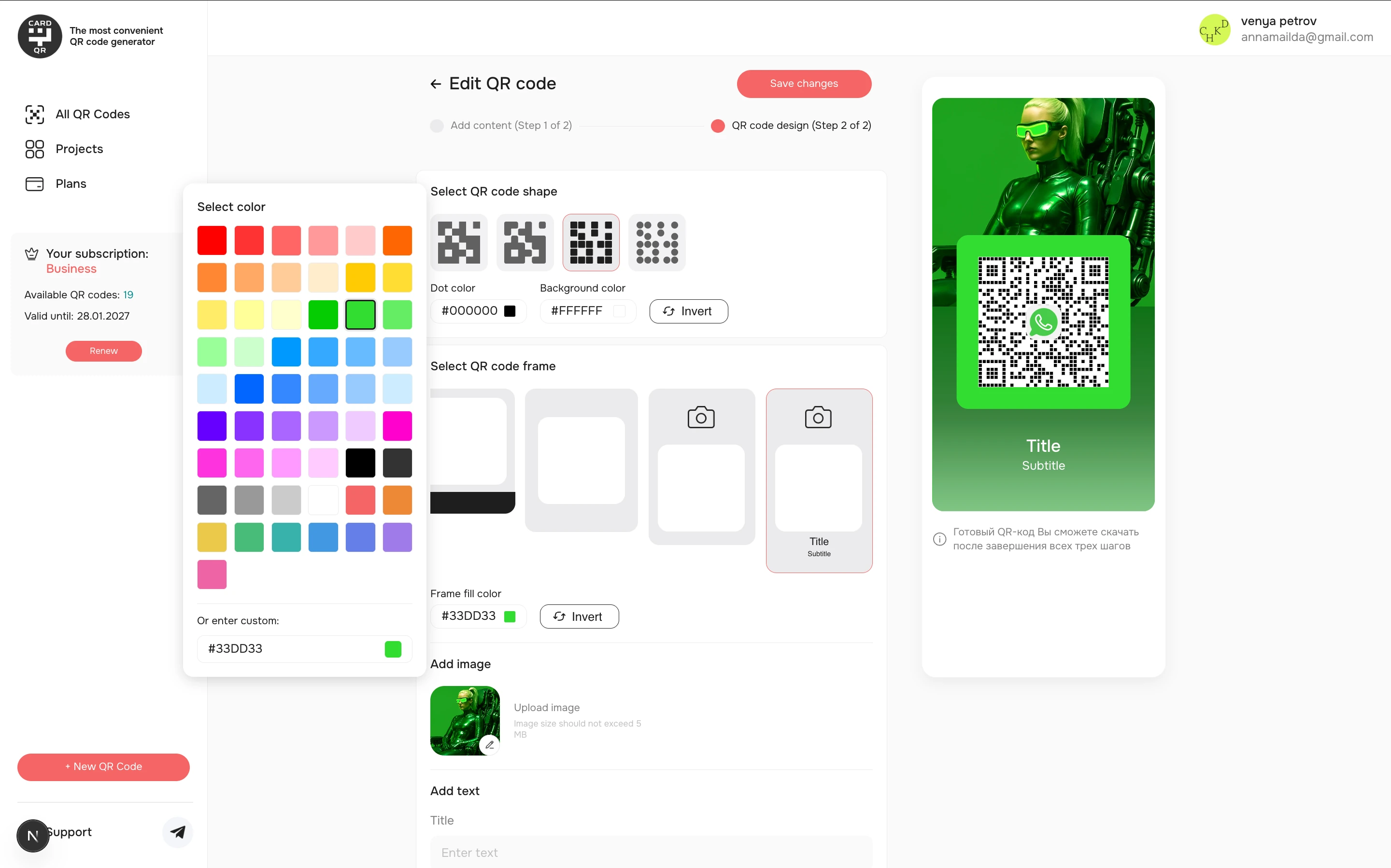
Web Page Generator - SaaS Platform for Dynamic Web Pages
Full-scale SaaS web application for creating and managing dynamic web pages connected to QR codes and custom URLs.

Forschungsmittel.com
B2B funding website and connected product platform with client dashboard, team workspace, document workflow, and operational command center.

Benjamin C. Wenzel - Legal-Tech Criminal Defense Platform
Custom-built criminal defense platform with public authority site, digital intake, secure client portal, internal case operations, billing, and audit-ready workflow logic.

VTB Bank
Real-Time Data Streaming Platform - High-performance data-streaming platform capable of processing millions of financial messages per second.
FAQ
We use Java Flight Recorder (JFR), async-profiler, JProfiler/YourKit, VisualVM, and JVM tools (jstat/jmap/jstack). We also use load testing tools (JMeter, Gatling) to simulate realistic traffic and measure improvements.
A typical performance audit takes 1-2 weeks. Optimization projects vary based on complexity, but we focus on high-impact improvements first. Most teams see measurable results within 2-4 weeks.
Yes — we can optimize many aspects with minimal downtime: JVM tuning, connection pool adjustments, caching strategies. Code-level optimizations may require deployments, which we plan carefully with your team.
We analyze GC behavior under real load, identify pause patterns, and tune GC algorithms (G1, ZGC, Parallel) based on your latency and throughput requirements. We also optimize heap sizing and allocation patterns.
Yes — we specialize in Spring Boot performance optimization, including startup time, connection pooling, transaction management, and framework overhead. We also optimize Spring Cloud microservices.
Keep reading from the blog
More insights and best practices on this topic.
Java performance optimization for companies operating production Java systems. We support organizations with JVM tuning, GC optimization, and Java application optimization based on the specific technical and regulatory context of each project. All services are delivered individually and depend on system requirements and constraints.
Performance improvements depend on system architecture, workload characteristics, implementation quality, and operational practices. No specific performance, latency, throughput, or resource guarantees are provided.