

High-Load Systems Engineering
Designing systems intended to handle very high volumes of requests, events, and transactions
We provide High-Load Systems Engineering for companies that operate under real production pressure: high traffic, high concurrency, large data volumes, and strict reliability requirements. Our focus is on high-load systems that remain fast and stable under peak conditions — even when traffic spikes, data grows, or failures occur. This service is ideal for platforms where downtime, latency, or data loss can significantly impact revenue, trust, or compliance.
What High-Load Engineering Really Means
High-load systems fail not because of one bad component — but because of architecture, data flow, and scaling decisions made too early or too late. It’s about throughput, latency, and resilience under real load.
Very high volumes of API requests per day
High-throughput event streams
Concurrent users and transactions
Bursty traffic patterns and peaks
Real-time processing and analytics
Strict latency and uptime requirements
Typical Problems We Solve
Teams reach out when:
Our High-Load Engineering Approach
High-load systems are designed — not patched.
Scalable system architecture
- Clear separation of responsibilities, stateless services, horizontal scalability.
Data layer optimization
- Read/write separation, caching strategies, indexing, sharding, and storage models.
Event-driven processing
- Kafka / message queues for decoupling, throughput, and resilience.
API & concurrency design
- Backpressure, rate limiting, idempotency, retries, and failure handling.
Performance engineering
- Load testing, profiling, bottleneck identification, and capacity planning.
Resilience and fault-tolerant design patterns
- Graceful degradation, retries, circuit breakers, and failover strategies.
Technologies & Patterns We Use
Depending on the system requirements:
- Java / Spring Boot (high-throughput backends)
- Kafka / event streaming
- High-performance APIs (REST, gRPC)
- PostgreSQL, ClickHouse, Redis
- Caching & async processing
- Kubernetes-based scaling
- Observability by default (metrics, logs, traces)

What You Get
Depending on the engagement: Everything is production-oriented and actionable.
Engagement Models
High-Load Audit & Review
Analyze existing systems and identify scalability limits. Report + bottleneck map + prioritized roadmap
High-Load Architecture Design
Design systems for current and future load requirements. Target architecture + capacity model + failure-mode plan
Scaling & Stabilization Projects
Fix performance issues in live production systems. Fix plan + rollout strategy + monitoring/SLO setup
Is This Service Right for You?
Traffic or data volume is growing fast
Performance issues block growth
You operate mission-critical systems
You need a scalable architecture with controlled growth characteristics
Downtime or latency is unacceptable
Every engagement begins with an Architecture Sprint
Five working days. One senior engineer. A clear map of system boundaries, scaling risks, stack decisions, and a delivery roadmap — before a single line of production code.
- 01Day 1
Discovery: domain, constraints, growth targets
- 02Day 2
System mapping: services, data, integrations
- 03Day 3-4
Stack decisions and risk model
- 04Day 5
Roadmap & costed delivery plan
Ready to start with architecture, not features?
Five days. One senior engineer. A clear path forward.
Or talk to us first Get in touch
Founder-relevant case studies

PlayDeck - Powering Telegram's Gaming Ecosystem
How we built the backend architecture for Telegram's fastest-growing gaming platform.

EventStripe
Event Management & Payment Processing Platform - Scalable event ticketing and payment processing system.
Vulken FM
Inspection & Asset Management Platform - Internal survey and compliance system for facilities management with mobile inspection app and web-based admin platform.

VTB Bank
Real-Time Data Streaming Platform - High-performance data-streaming platform capable of processing millions of financial messages per second.

Societe Generale
Personalized Advertising & Credit Service Platform - Advanced financial services with real-time personalization.

Sber
Enterprise Data Analytics Platform - Comprehensive data processing and analytics solution for Russia's largest bank.
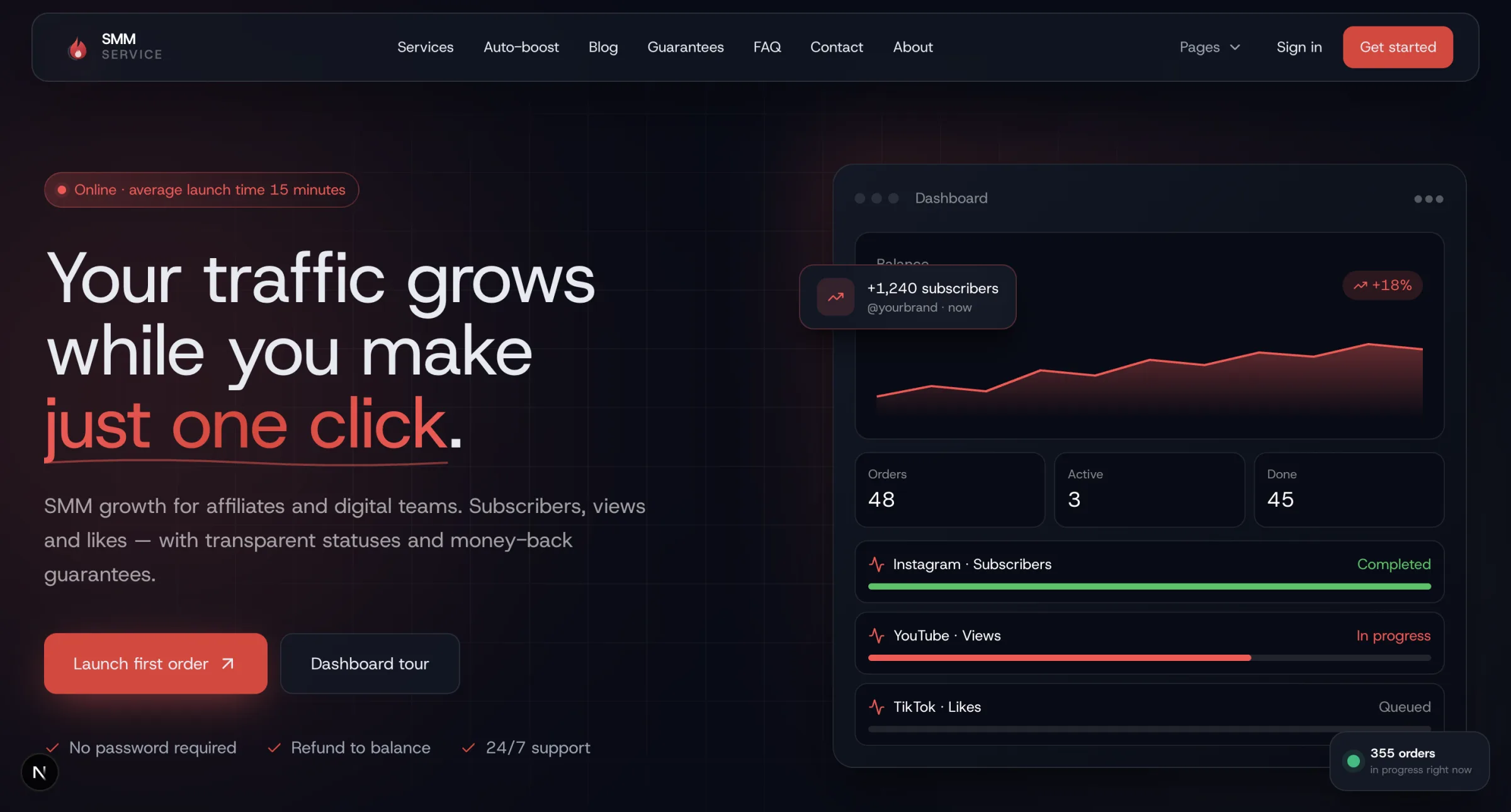
Creator Marketing Platform - Engagement Services Marketplace
End-to-end engineering for a multi-tenant creator marketing platform: Java Spring backend, Next.js dashboard, admin console, and a provider-aggregated catalog of 1,200+ services across thirteen platforms.
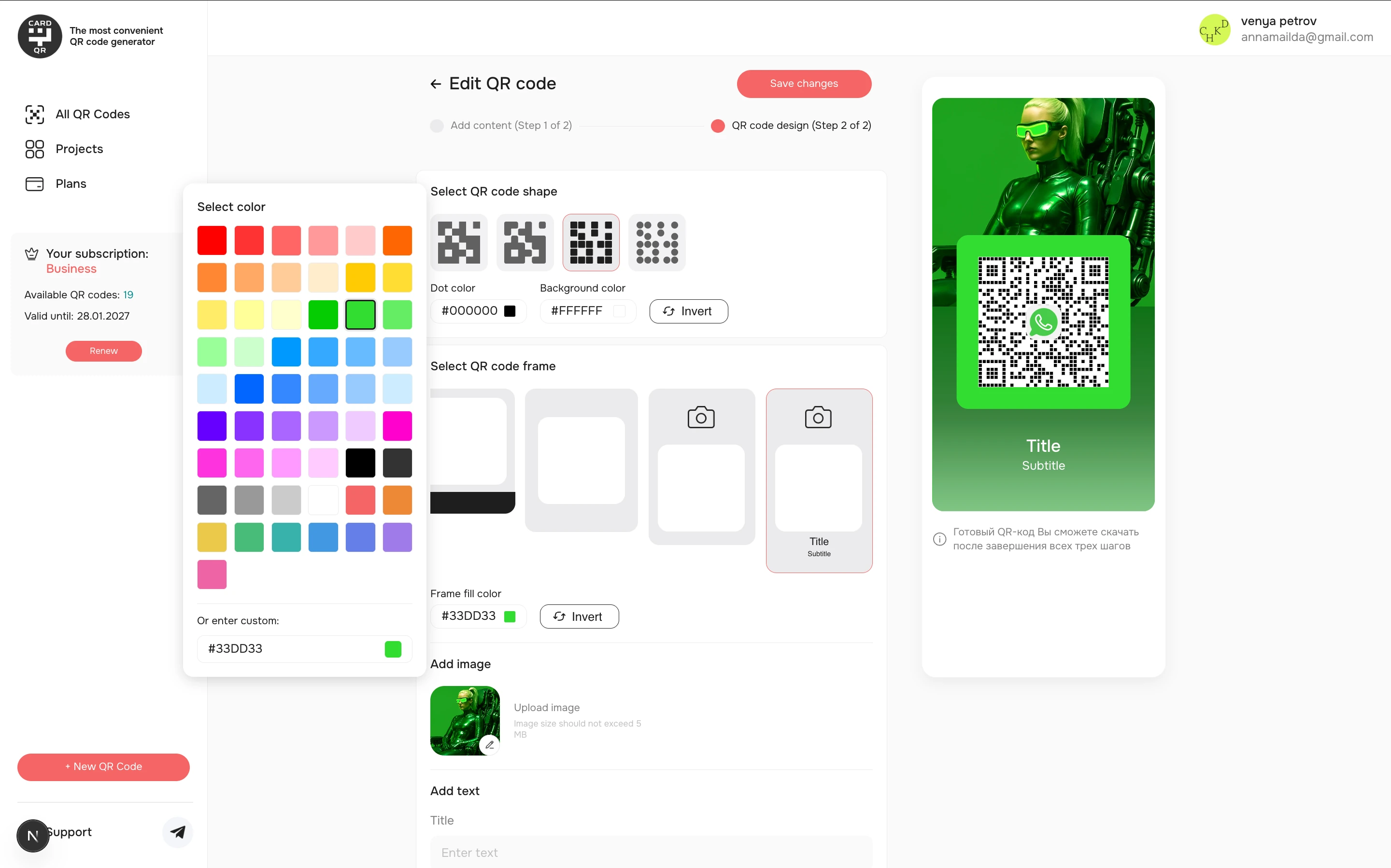
Web Page Generator - SaaS Platform for Dynamic Web Pages
Full-scale SaaS web application for creating and managing dynamic web pages connected to QR codes and custom URLs.
FAQ
High-Load Systems Engineering focuses on architecture, scalability, and system design for handling millions of requests. Performance Optimization is about tuning existing systems. We often do high-load engineering first to ensure the architecture can scale, then optimize specific components.
We use load testing tools (JMeter, Gatling, k6) to simulate realistic traffic patterns, measure latency, identify bottlenecks, and validate scaling strategies. Testing includes peak load scenarios, burst traffic, and gradual ramp-up patterns.
Yes — we analyze existing systems, identify bottlenecks, design improvements, and implement fixes. This includes database optimization, caching strategies, API improvements, and architectural changes where needed.
We use Java/Spring Boot for high-throughput backends, Kafka for event streaming, PostgreSQL/ClickHouse for data, Redis for caching, and Kubernetes for scaling. Technology choices depend on your specific load characteristics and requirements.
A typical high-load assessment takes 1-2 weeks, including system analysis, load testing, bottleneck identification, and a written report with recommendations. For architecture design, timelines depend on system complexity.
Related Services
Keep reading from the blog
More insights and best practices on this topic.
High-load systems engineering for companies operating production backend systems. We support organizations with scalable backend architecture, event processing, and performance optimization based on the specific technical and regulatory context of each project. All services are delivered individually and depend on system requirements and constraints.
System performance, scalability, availability, and fault tolerance depend on architecture, implementation quality, workloads, and operational practices. No specific throughput, latency, or uptime guarantees are provided.