


React Performance Optimization
Optimize React codebases for smaller bundles, cleaner render paths, and more predictable runtime performance.
Performance issues in React applications often come from the codebase and runtime model: oversized bundles, unstable render paths, leaky state boundaries, and inefficient data fetching. We optimize existing React codebases to reduce bundle size, improve rendering speed, and stabilize CWV in real production environments. This service is designed for products that already have users, traffic, and complexity, and need profiling-led fixes without a full rewrite. If the main issue is visible motion, interaction smoothness, or perceived speed, use UI Performance Optimization.
Audit vs Optimization
Choose the right service scope based on your current stage and goals.
If you only need diagnosis first: Core Web Vitals & Performance Audit
If you already measure and want fixes implemented: React Performance Optimization
If the scope is broader (architecture, state, team enablement): React Consulting
What We Optimize
Comprehensive performance optimization for React applications in production.
Rendering Performance
- We identify and fix unnecessary re-renders, inefficient component trees, expensive hooks, and blocking UI updates that slow down real user interactions.
Bundle Size & Load Time
- Code-splitting, tree-shaking, dynamic imports, and dependency audits to reduce JavaScript payloads and speed up initial page load.
LCP / INP / CLS
- Targeted improvements for core performance signals:
- LCP (Largest Contentful Paint)
- INP (Interaction to Next Paint)
- CLS (Cumulative Layout Shift)
- All changes are validated with Lighthouse, field measurement (RUM), and real-user metrics.
State Management Optimization
- Refactoring inefficient global state, reducing over-fetching, and aligning state boundaries with rendering logic.
Network & Data Fetching
- Optimized API calls, caching strategies, request deduplication, and better client/server data coordination.
Next.js performance (if your React app runs on Next.js)
- Targeted optimization of rendering paths and caching:
- SSR/RSC analysis and rendering paths
- Streaming/partial hydration (where relevant)
- Cache-Control / ISR / edge caching
- Avoiding server overfetching and TTFB bottlenecks
Typical Problems We Fix
Our Approach
Step 01 — Performance Audit
We analyze your React application using Lighthouse, Web Vitals, bundle analyzers, and runtime profiling to identify the real bottlenecks.
Step 02 — Optimization Roadmap
Clear, prioritized recommendations with an assessment of potential impact on speed, Web Vitals, and user experience.
Step 03 — Implementation
We apply targeted fixes directly in your codebase — without breaking features or business logic.
Step 04 — Validation & Monitoring
Performance is re-tested and monitored to ensure improvements persist after release.
What we do not do
- No "score optimization" just for Lighthouse screenshots
- No risky hacks that break after the next release
- No rewrite as a default solution — first targeted fixes, then architecture decisions

What You Get
Faster initial load and interactions
Smaller bundles and reduced JS execution time
More stable Core Web Vitals metrics
Improved user and performance signals (incl. CWV)
Clear technical documentation of changes
Who This Is For
Every engagement begins with an Architecture Sprint
Five working days. One senior engineer. A clear map of system boundaries, scaling risks, stack decisions, and a delivery roadmap — before a single line of production code.
- 01Day 1
Discovery: domain, constraints, growth targets
- 02Day 2
System mapping: services, data, integrations
- 03Day 3-4
Stack decisions and risk model
- 04Day 5
Roadmap & costed delivery plan
Ready to start with architecture, not features?
Five days. One senior engineer. A clear path forward.
Or talk to us first Get in touch
Founder-relevant case studies
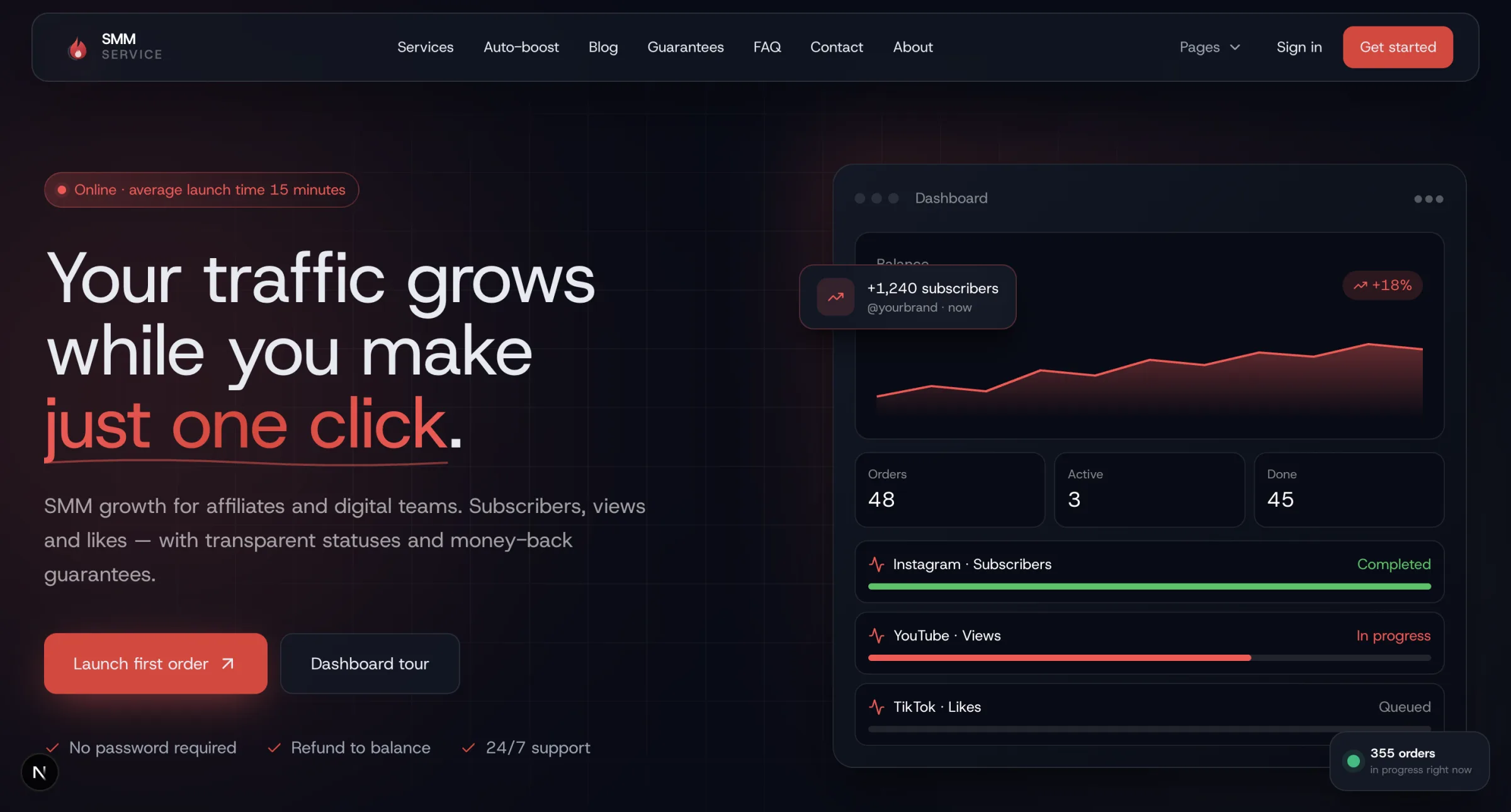
Creator Marketing Platform - Engagement Services Marketplace
End-to-end engineering for a multi-tenant creator marketing platform: Java Spring backend, Next.js dashboard, admin console, and a provider-aggregated catalog of 1,200+ services across thirteen platforms.
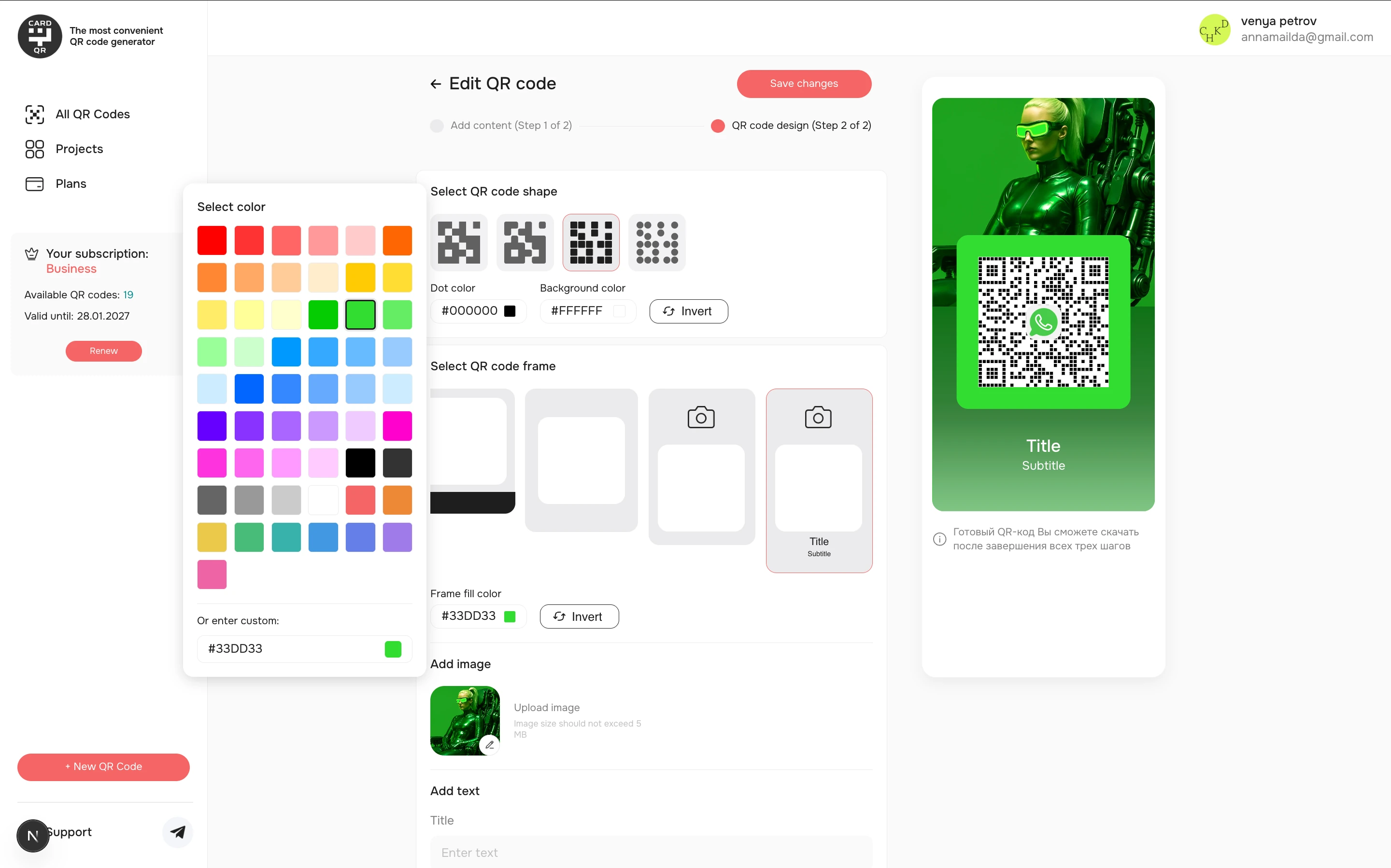
Web Page Generator - SaaS Platform for Dynamic Web Pages
Full-scale SaaS web application for creating and managing dynamic web pages connected to QR codes and custom URLs.

PlayDeck - Powering Telegram's Gaming Ecosystem
How we built the backend architecture for Telegram's fastest-growing gaming platform.

Forschungsmittel.com
B2B funding website and connected product platform with client dashboard, team workspace, document workflow, and operational command center.

Benjamin C. Wenzel - Legal-Tech Criminal Defense Platform
Custom-built criminal defense platform with public authority site, digital intake, secure client portal, internal case operations, billing, and audit-ready workflow logic.

Frigate Surfboards
E-Commerce Platform for a Premium Surf Brand - Bringing craftsmanship and storytelling online.

K Club Group
Digital Platform for Barefoot Luxury Experiences - From place to platform.
Matahari Hills
Digital Experience for Earth-Conscious Development - Transforming a premium property concept into a conversion-driven digital platform.
React Performance Optimization — Start Today
If your React application is slow, has poor Core Web Vitals, or needs performance improvements — we can optimize it without a full rewrite.
Frequently Asked Questions
Yes — we specialize in optimizing existing React codebases without requiring a full rewrite. We identify bottlenecks and apply targeted fixes.
Typical outcomes include faster load times, improved Core Web Vitals metrics, reduced bundle sizes, and better overall user experience indicators.
Yes — we optimize Next.js applications including SSR, RSC, streaming, and edge rendering strategies.
We use Lighthouse, Web Vitals, bundle analyzers, runtime profiling, and real-user metrics to validate all improvements.
Yes — Core Web Vitals (LCP, INP, CLS) are a core focus. We provide targeted optimizations for each metric with measurable performance changes depending on the application context.
React performance optimization for companies operating production frontend applications. We support organizations with Core Web Vitals optimization, bundle optimization, and performance tuning based on the specific technical and regulatory context of each project. All services are delivered individually and depend on system requirements and constraints.