


Design Systems & Frontend Architecture
Design and implement scalable frontend architecture, design tokens, and component governance for multi-team products.
As products grow, frontend complexity often increases faster than expected. Without clear architecture and design systems, development velocity slows, inconsistencies multiply, and maintenance becomes expensive. We develop frontend architectures and design systems designed to support faster feature development, smoother onboarding of new developers, and a consistent user experience. The focus is on structure, governance, and sustainability — not just UI components.
What we design & implement
Comprehensive frontend architecture and design system services.
Frontend Architecture
- Scalable React / Next.js architectures (App Router, RSC-ready)
- Clear separation of UI, domain logic, data, and state
- Predictable data-fetching and state strategies
- Feature- and domain-based project structures
Design Systems
- Component libraries with clearly defined APIs
- Token-based themes (colors, spacing, typography)
- Accessibility-first (WCAG-oriented)
- Versioned, documented UI foundations
Component Systems
- Reusable, composable UI components
- Shared libraries for multi-product setups
- Storybook-based documentation and testing
- Clean design-to-code workflows (e.g., Figma)
Team & Scalability
- Onboarding-friendly code structure
- Contribution guidelines, linting & code standards
- Release and versioning strategies for UI libraries
- Maintainability with a long-term perspective
Typical problems we solve
How we work
Step 01 — Architecture Audit
Analysis of existing frontend structure, components, styles, and data flows.
Step 02 — Target Architecture
Definition of architecture patterns, folder structure, state strategy, and system boundaries.
Step 03 — Design System Foundation
Building component base, tokens, and accessibility standards.
Step 04 — Integration & Migration
Incremental integration or migration of existing products.
Step 05 — Documentation & Enablement
Storybook, guidelines, contribution rules, and handover to team.
Results
Scalable, maintainable frontend architecture
More efficient feature development with reduced risk of regressions
Consistent UI across teams and products
Easier onboarding for new developers
Clear separation of design, logic, and data
Technologies
When this is the right choice
- Multiple frontend developers or teams
- UI inconsistencies slow down development
- Design system exists only as Figma file
- Product is evolving into a platform
- Maintainability is more important than quick prototypes
Every engagement begins with an Architecture Sprint
Five working days. One senior engineer. A clear map of system boundaries, scaling risks, stack decisions, and a delivery roadmap — before a single line of production code.
- 01Day 1
Discovery: domain, constraints, growth targets
- 02Day 2
System mapping: services, data, integrations
- 03Day 3-4
Stack decisions and risk model
- 04Day 5
Roadmap & costed delivery plan
Ready to start with architecture, not features?
Five days. One senior engineer. A clear path forward.
Or talk to us first Get in touch
Founder-relevant case studies
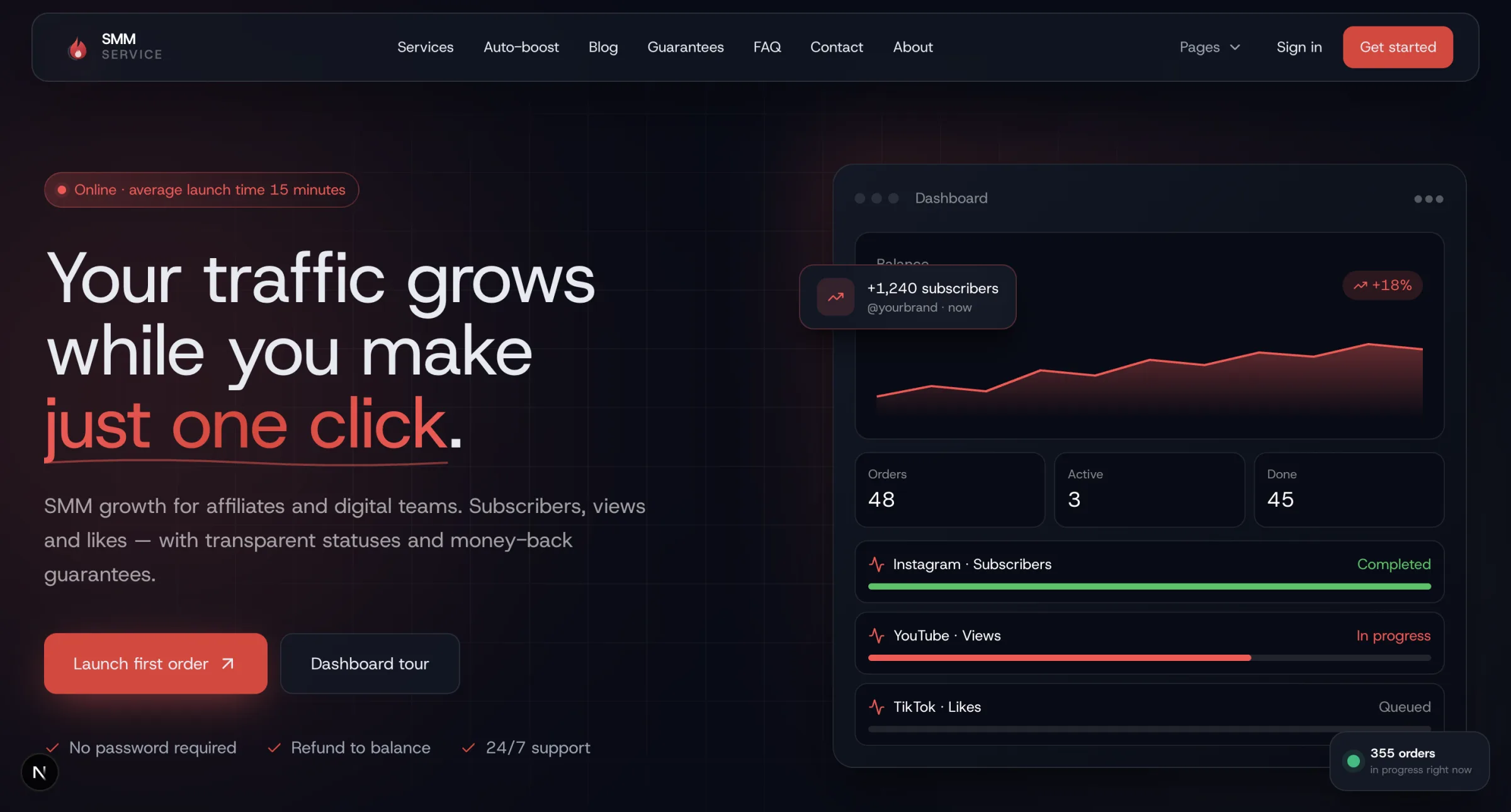
Creator Marketing Platform - Engagement Services Marketplace
End-to-end engineering for a multi-tenant creator marketing platform: Java Spring backend, Next.js dashboard, admin console, and a provider-aggregated catalog of 1,200+ services across thirteen platforms.
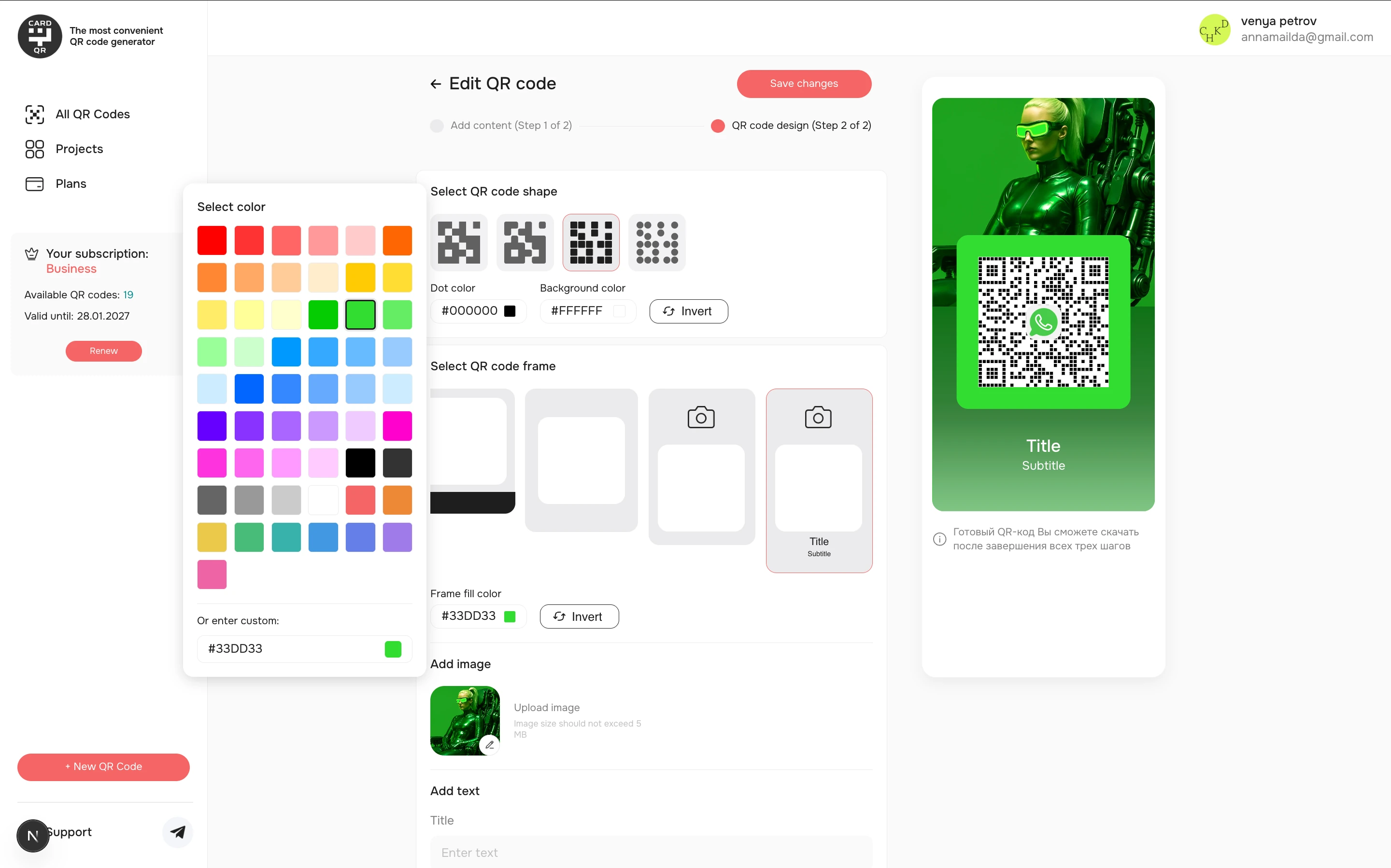
Web Page Generator - SaaS Platform for Dynamic Web Pages
Full-scale SaaS web application for creating and managing dynamic web pages connected to QR codes and custom URLs.

Forschungsmittel.com
B2B funding website and connected product platform with client dashboard, team workspace, document workflow, and operational command center.
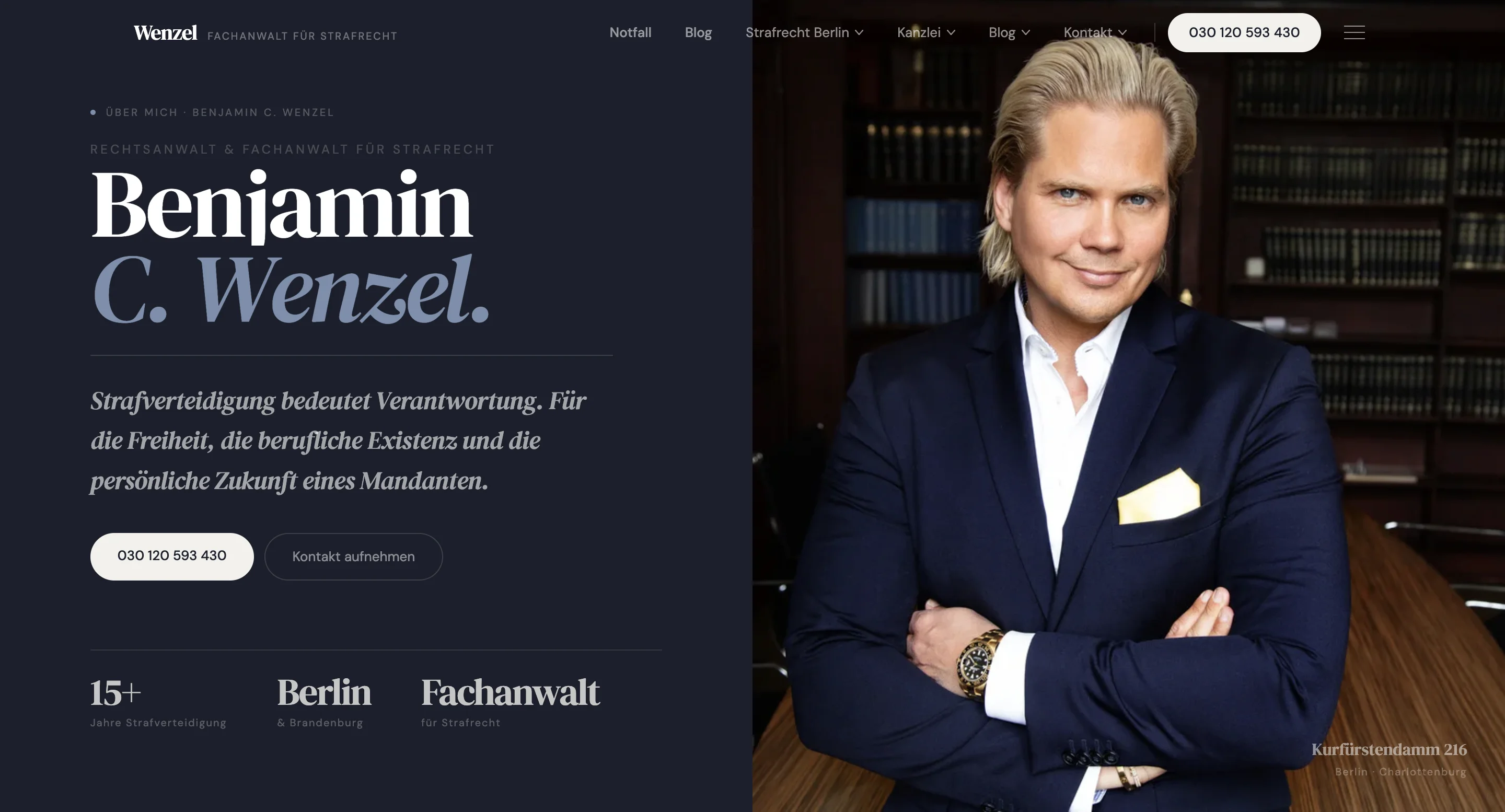
Benjamin C. Wenzel - Legal-Tech Criminal Defense Platform
Custom-built criminal defense platform with public authority site, digital intake, secure client portal, internal case operations, billing, and audit-ready workflow logic.
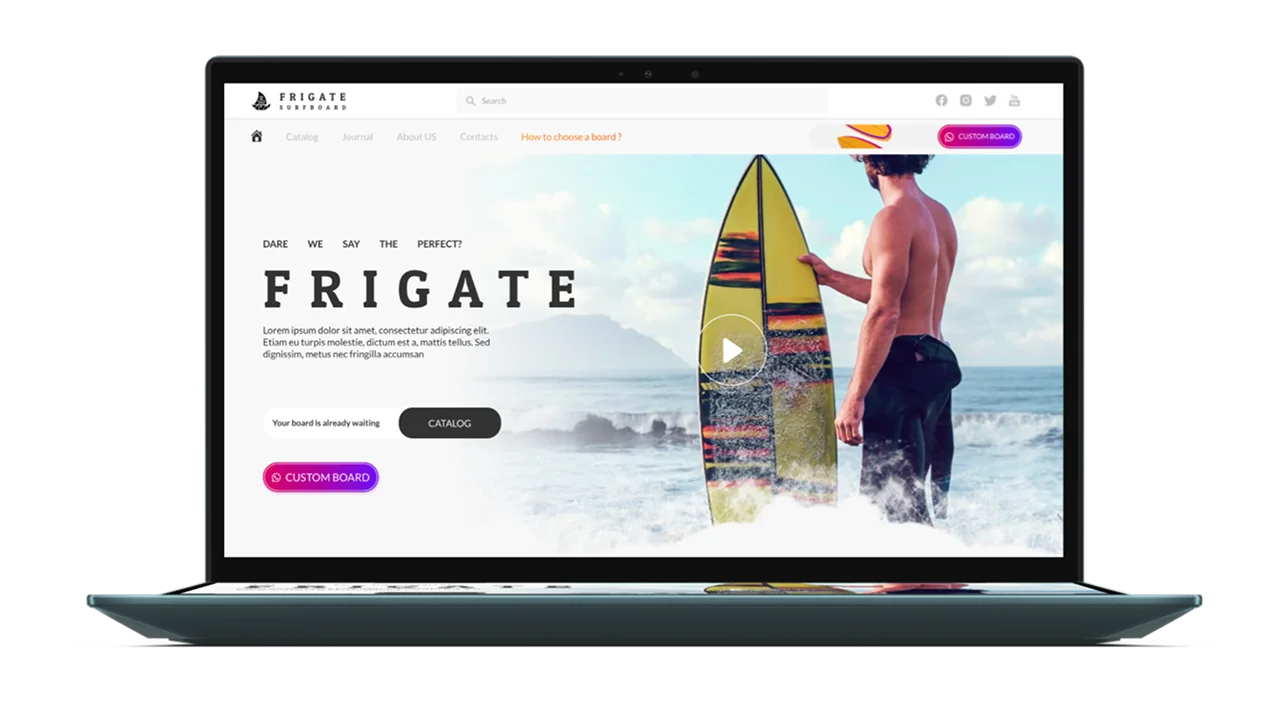
Frigate Surfboards
E-Commerce Platform for a Premium Surf Brand - Bringing craftsmanship and storytelling online.
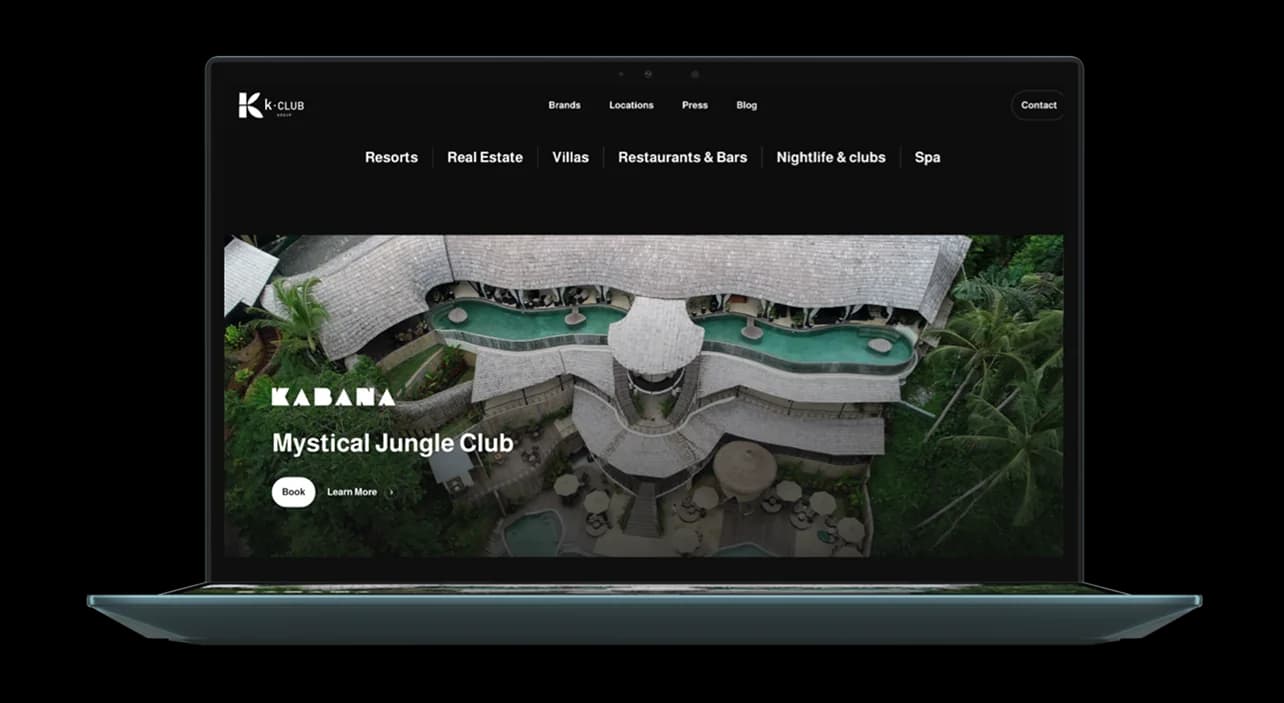
K Club Group
Digital Platform for Barefoot Luxury Experiences - From place to platform.
Matahari Hills
Digital Experience for Earth-Conscious Development - Transforming a premium property concept into a conversion-driven digital platform.
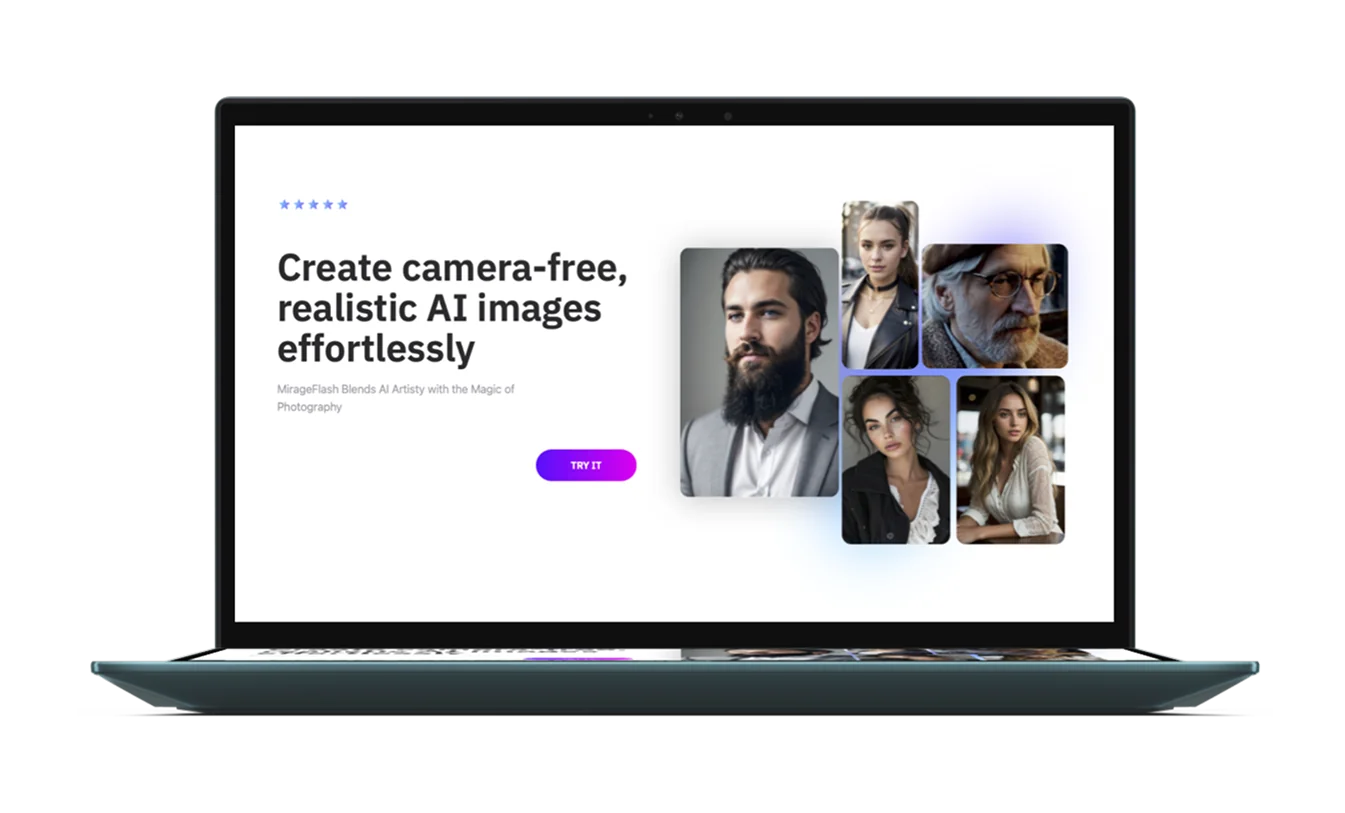
MirageFlash
AI-Powered Visual Platform for Creative Expression - Fusing cutting-edge AI with intuitive design to revolutionize image creation for social media creators.
FAQ
Yes — we can audit existing applications and design new architectures or design systems that integrate incrementally with your current codebase.
A design system typically includes component libraries, design tokens (colors, spacing, typography), documentation (Storybook), accessibility standards, and contribution guidelines.
Implementation timelines depend on scope and complexity. Initial design system foundations often take a few months, with incremental expansion over time.
Yes — we can translate Figma designs into code, establish design-to-code workflows, and ensure design and implementation stay aligned.
Yes — Storybook is a core part of our design system implementation. We set up Storybook, document components, and establish testing workflows.
Related Services
Frontend architecture and design systems for companies building production frontend platforms. We support organizations with React and Next.js architecture, component systems, and design systems based on the specific technical and regulatory context of each project. All services are delivered individually and depend on system requirements and constraints.