


Frontend Architecture Audit
System-level frontend audit for rendering strategy, architectural boundaries, and scaling decisions.
H-Studio helps startups and enterprises identify architectural risks, unclear rendering boundaries, design-system drift, and maintainability issues before they turn into delivery problems. This audit looks at the frontend as a system: topology, ownership boundaries, server/client rendering model, component consistency, and migration readiness. If you need a fixed-scope repository review with file-level findings and technical debt prioritization, use React Codebase Audit. If your main issue is metrics-only performance diagnosis, use Core Web Vitals Audit.
The problem: frontend systems grow faster than architecture
Many frontend codebases reach a point where:
Architecture decisions were made under time pressure
Server/client rendering boundaries are no longer clear
Performance degrades as features grow
Component systems become inconsistent
Team ownership and frontend boundaries become blurred
Bundle size and rendering complexity increase
Teams slow down due to technical debt
At this stage, adding isolated fixes often fails to address the root problem — architectural clarity is required.
Our approach: engineering-driven frontend audits
We perform hands-on frontend architecture audits, not superficial reviews. Our goal is to:
What we analyze
Comprehensive analysis across multiple dimensions of your frontend architecture.
Frontend architecture & structure
- Application architecture (Next.js / React)
- Routing, layouts, and rendering strategy
- Server vs client components (RSC)
- State management boundaries
- Data fetching and caching strategy
Rendering model, performance budgets & delivery risk
- Template-level performance budgets
- Hydration and rendering boundaries
- Bundle growth patterns
- Caching and delivery strategy
- Risk areas that affect rollout safety
Code quality & maintainability
- Component design and reusability
- Dependency structure
- TypeScript usage and safety
- Styling and design system consistency
- Testing strategy and coverage
Scalability & future readiness
- Suitability for feature growth
- Migration readiness (Next.js upgrades, app router)
- Multi-team development risks
- Long-term maintainability assessment
Deliverables
You receive clear, structured results, not vague advice: Optional: implementation support by our frontend engineers.
Typical use cases
Architecture decisions need to be revisited before scale
Preparing a platform for scale or growth
Reviewing architecture before a major refactor
Clarifying system boundaries before migration or platform work
Resolving design-system and component drift across teams
Improving Core Web Vitals in support of SEO goals
Supporting teams without senior frontend architects
Technologies & focus areas
Who this service is for
- Startups with growing frontend complexity
- SaaS & platform companies
- Enterprises with large React codebases
- Teams planning migrations or refactors
- Organizations with SEO & performance goals
- Companies lacking senior frontend architecture expertise

Why H-Studio
Deep expertise in Next.js & React architecture
Performance-first engineering mindset
Real production experience, not theory
Clear communication & documentation
Actionable recommendations instead of generic reports
Experience with SEO-critical frontend systems

Every engagement begins with an Architecture Sprint
Five working days. One senior engineer. A clear map of system boundaries, scaling risks, stack decisions, and a delivery roadmap — before a single line of production code.
- 01Day 1
Discovery: domain, constraints, growth targets
- 02Day 2
System mapping: services, data, integrations
- 03Day 3-4
Stack decisions and risk model
- 04Day 5
Roadmap & costed delivery plan
Ready to start with architecture, not features?
Five days. One senior engineer. A clear path forward.
Or talk to us first Get in touch
Founder-relevant case studies
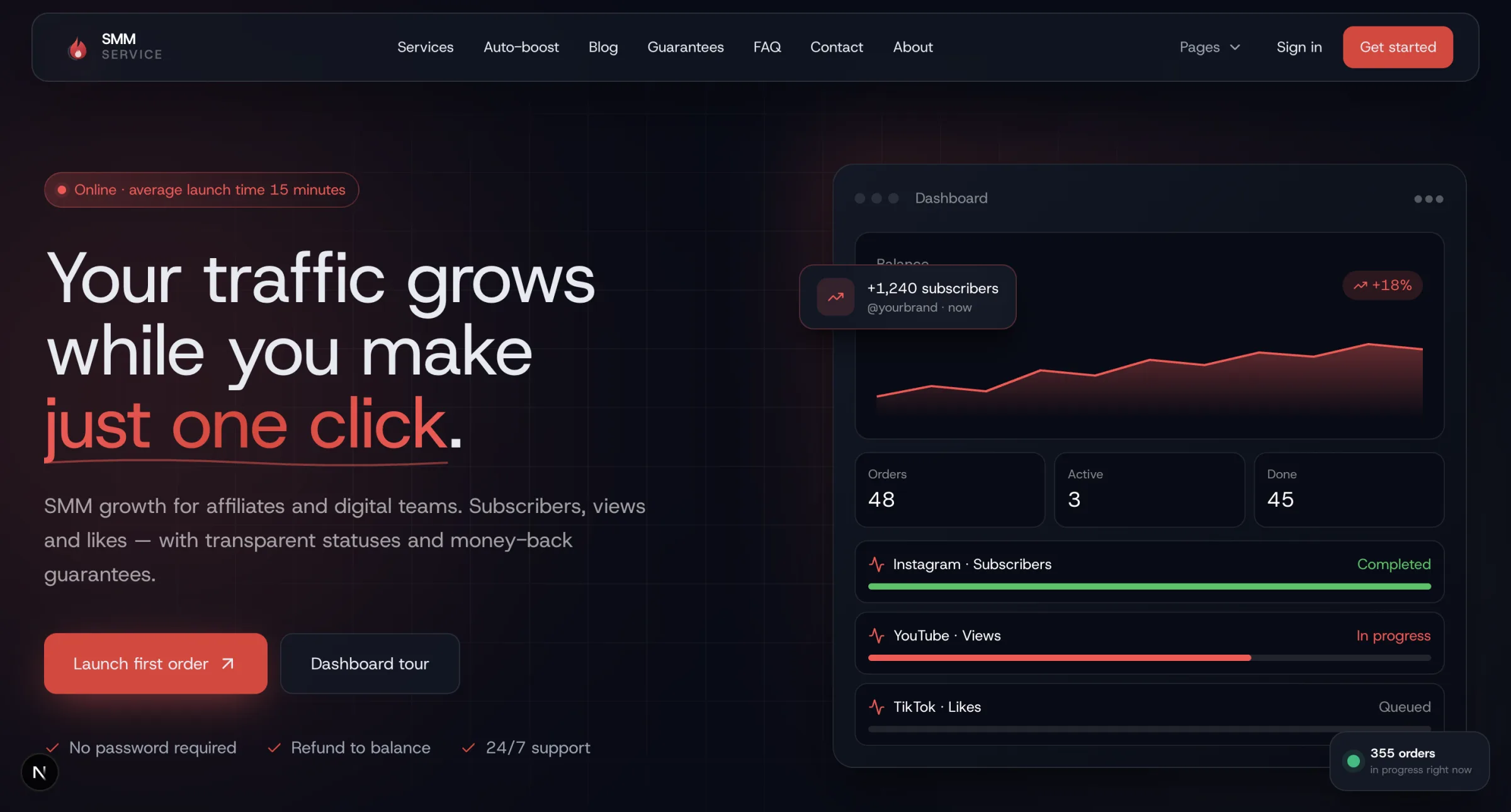
Creator Marketing Platform - Engagement Services Marketplace
End-to-end engineering for a multi-tenant creator marketing platform: Java Spring backend, Next.js dashboard, admin console, and a provider-aggregated catalog of 1,200+ services across thirteen platforms.
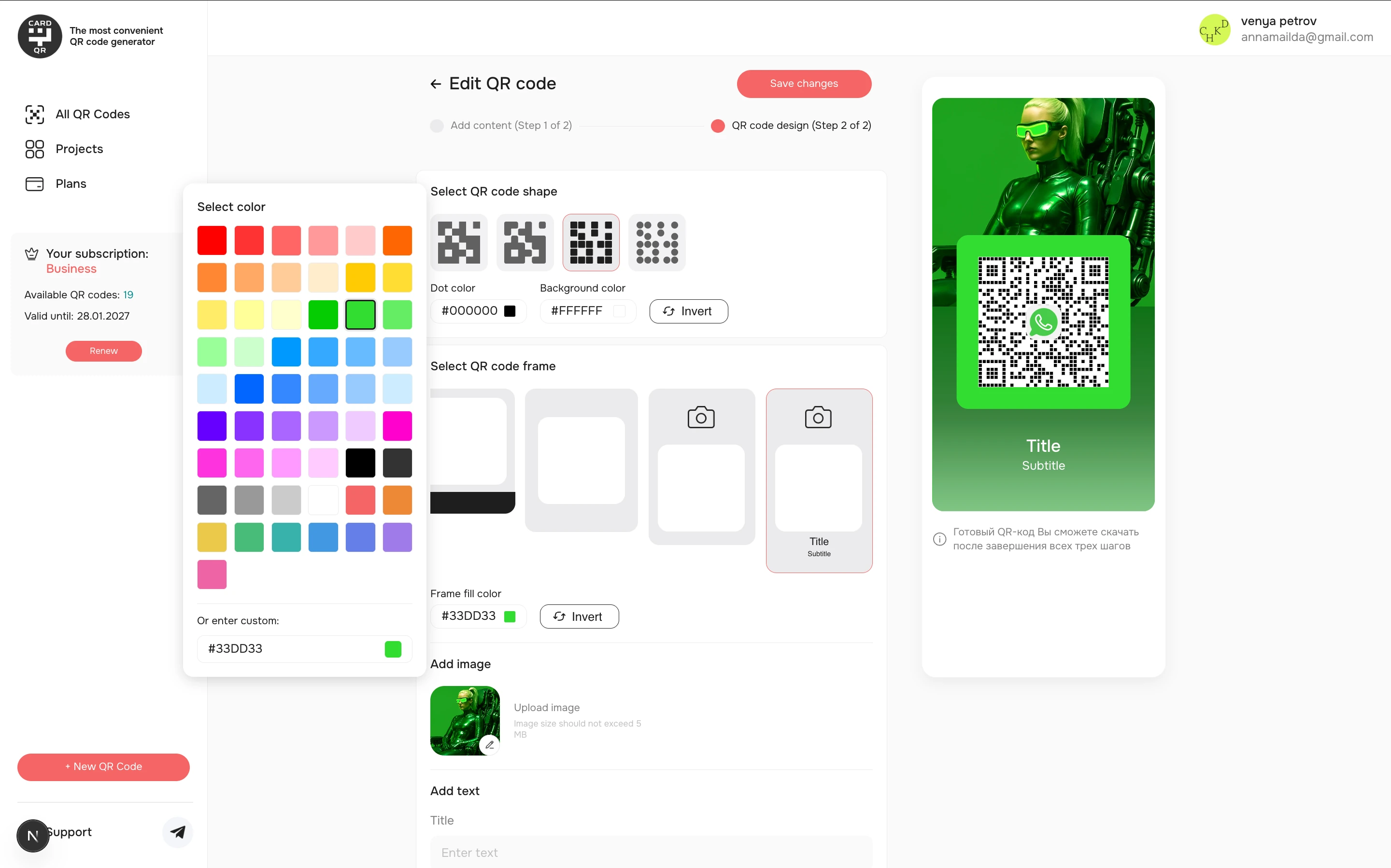
Web Page Generator - SaaS Platform for Dynamic Web Pages
Full-scale SaaS web application for creating and managing dynamic web pages connected to QR codes and custom URLs.

Forschungsmittel.com
B2B funding website and connected product platform with client dashboard, team workspace, document workflow, and operational command center.

Benjamin C. Wenzel - Legal-Tech Criminal Defense Platform
Custom-built criminal defense platform with public authority site, digital intake, secure client portal, internal case operations, billing, and audit-ready workflow logic.

Frigate Surfboards
E-Commerce Platform for a Premium Surf Brand - Bringing craftsmanship and storytelling online.

K Club Group
Digital Platform for Barefoot Luxury Experiences - From place to platform.
Matahari Hills
Digital Experience for Earth-Conscious Development - Transforming a premium property concept into a conversion-driven digital platform.

MirageFlash
AI-Powered Visual Platform for Creative Expression - Fusing cutting-edge AI with intuitive design to revolutionize image creation for social media creators.
FAQ
Audit timelines depend on codebase size and complexity. Typical audits often take 2–4 weeks, including analysis, architecture review, report writing, and walkthrough sessions.
We typically need read-only access to your codebase (GitHub, GitLab, etc.) and optionally staging/production environments for performance testing. We can work with NDAs and security requirements.
You receive a structured report with executive summary, architecture diagrams, detailed technical findings, prioritized recommendations, and a step-by-step optimization roadmap.
Yes — we audit React applications including Next.js App Router, Pages Router, SSR, RSC, and hybrid rendering setups. We assess both React patterns and Next.js-specific architecture.
The audit is a standalone service, but we can provide implementation support separately if you decide to act on the recommendations.
Related Services
Frontend architecture audit for companies operating production frontend systems. We support organizations with architecture reviews, code quality assessment, and performance analysis based on the specific technical and regulatory context of each project. All services are delivered individually and depend on system requirements and constraints.