

React Codebase Audit
Fixed-scope repository audit with file-level findings, technical debt analysis, and a practical remediation roadmap.
A React Codebase Audit is a fixed-scope diagnostic engagement (typically 10-14 days) that gives your team a clear technical baseline at repository level. We analyze real production code, file by file and module by module: architecture patterns, rendering behavior, data flow, dependency risk, and maintainability issues. You receive prioritized findings, a decision-ready roadmap, and optional quick-win implementation notes. This is not an open-ended consulting retainer. If you need a broader system-level review of frontend topology, rendering boundaries, design-system consistency, or multi-team architecture, use Frontend Architecture Audit.
What We Audit
Comprehensive analysis of your React codebase across multiple dimensions.
Architecture & Structure
- —Component hierarchy and separation of concerns
- —State management strategy and data flow
- —Reusability and coupling between modules
- —Folder structure and long-term maintainability
Performance & Core Web Vitals
- —Rendering behavior and unnecessary re-renders
- —Bundle size and dependency analysis
- —LCP, INP, and CLS performance constraints
- —Client-side vs server-side rendering decisions
Code Quality & Maintainability
- —TypeScript usage and type safety
- —Anti-patterns and technical debt
- —Consistency, naming, and abstraction levels
- —Test coverage and test strategy gaps
Scalability & Team Readiness
- —How well the codebase supports multiple developers
- —Risk areas for feature growth
- —Onboarding complexity for new engineers
- —Upgrade readiness (React, Next.js, dependencies)
Integration & Data Handling
- —API integration patterns
- —Error handling and loading states
- —Security and data exposure risks
- —Compatibility with backend and analytics systems
Deliverables
You receive a clear, structured audit report, not a generic checklist:
Executive summary (non-technical, suitable for decision-making)
Detailed technical findings with examples
Performance and architecture risk assessment
Prioritized recommendations (what to fix first)
Short-term fixes vs long-term refactoring roadmap
Optional migration or redesign strategy
Typical Use Cases
- React apps that slow down as features grow
- Legacy React codebases with unclear structure
- Teams that need a baseline before long-term consulting support
- Products preparing for migration to Next.js, SSR, or major refactoring
- Enterprises needing clear risk and priority mapping before investment decisions
How the Audit Works
Step 01 — Scope Definition
We define goals, access level, and critical areas.
Step 02 — Code Review & Analysis
Deep dive into architecture, performance, and patterns.
Step 03 — Findings & Prioritization
Identify risks and quick wins.
Step 04 — Audit Report & Walkthrough
We explain results and answer technical questions.
Outcomes
Clear understanding of frontend health
Reduced exposure to technical debt and future risk
Actionable performance improvements
Improved developer productivity
Better-informed decisions: refactor, migrate, or extend
Technologies Covered
Why This Audit Is Different
Real-world production experience
Architecture-first, not lint-first
Performance measured in user impact
Recommendations tailored to your business goals
No upselling — honest technical assessment.

Founder-Relevant
Case Studies
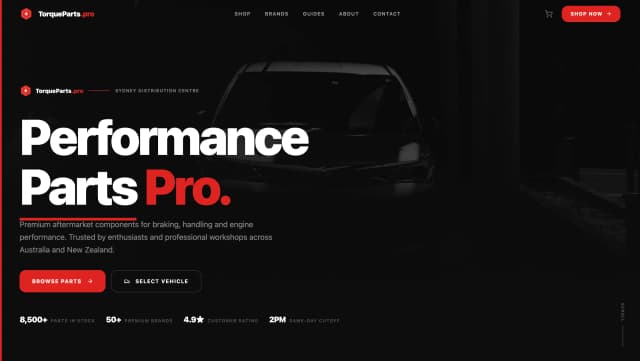
TorqueParts.pro - Performance Auto Parts Marketplace
Full-stack e-commerce marketplace for the Australian aftermarket auto parts market with structured catalog logic, checkout flows, and market-specific compliance UX.

Forschungsmittel.com
Modern Platform for R&D Funding and Innovation Consulting.

Bio-Aesthetic Dental Platform Concept
Concept-stage dental clinic platform with structured treatment information, medical credibility, and SEO-ready content architecture.
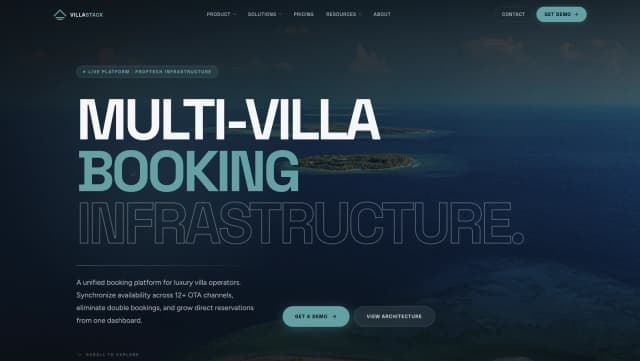
VillaStack
PropTech platform unifying bookings, pricing, guest communication, and payouts across OTA channels.
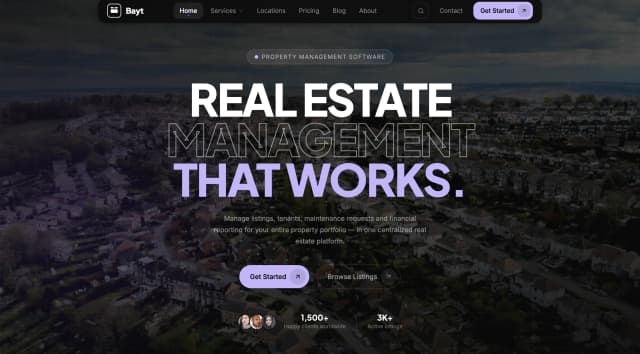
Luxury Real Estate Platform UAE
Unified listings, tenant operations, financial reporting, and market analytics for high-value UAE portfolios.

Frigate Surfboards
E-Commerce Platform for a Premium Surf Brand - Bringing craftsmanship and storytelling online.

K Club Group
Digital Platform for Barefoot Luxury Experiences - From place to platform.

FAQ
Audit timelines depend on codebase size and complexity. Typical audits often take 1–3 weeks, including analysis, report writing, and walkthrough sessions.
We typically need read-only access to your codebase (GitHub, GitLab, etc.) and optionally staging/production environments for performance testing. We can work with NDAs and security requirements.
You receive a structured PDF report with executive summary, detailed technical findings, prioritized recommendations, and optional follow-up consultation sessions.
Yes — we audit React applications including Next.js, SSR, RSC, and hybrid rendering setups. We assess both React patterns and Next.js-specific architecture.
The audit is a standalone service, but we can provide implementation services separately if you decide to act on the recommendations.
React codebase audit for companies operating production React applications. We support organizations with code analysis, architecture reviews, and performance assessment based on the specific technical and regulatory context of each project. All services are delivered individually and depend on system requirements and constraints.