

Core Web Vitals & Performance Audit
Audit-first diagnosis with measurement and roadmap
This is a diagnostic audit focused on measurement, findings, and a prioritized roadmap. We help startups and growing companies identify slow loading times, poor Core Web Vitals, and performance bottlenecks. For ongoing performance engineering, see Performance SEO.
A fixed-scope engagement: measurement, diagnosis, and prioritized roadmap delivered in 5-7 working days.
Why Core Web Vitals Matter
Speed strongly influences conversions, SEO performance, and user satisfaction
Google increasingly evaluates websites based on real user performance signals rather than purely theoretical metrics. If your app scores poorly on:
LCP (Largest Contentful Paint)
INP (Interaction to Next Paint)
CLS (Cumulative Layout Shift)
TTFB (Time to First Byte)
What We Audit & Optimize
Rendering & Architecture
- —Server-side, static, or client-side rendering issues
- —Next.js App Router / Pages Router mismatches
- —Layout shifts and hydration problems
- —Slow API responses blocking rendering
Performance Metrics
- —LCP (images, hero sections, server response)
- —INP (interaction delays, JS blocking, event handlers)
- —CLS (layout shifts from images, fonts, ads, UI components)
- —FID, FCP, SI, TTFB
JavaScript & Bundling
- —Large JS bundles
- —Inefficient components
- —Heavy libraries
- —Unnecessary re-renders
- —Missing React memoization
- —Misconfigured Next.js caching
Images & Media Optimization
- —Hero images
- —Unoptimized backgrounds
- —Missing width/height
- —Missing Next.js Image component
- —Using the Next.js Image component can contribute to measurable LCP improvements in many setups.
Server & API Performance
- —Slow API routes
- —Overloaded endpoints
- —Missing caching headers
- —Cold starts (serverless)
- —Database latency
Caching & CDN Layers
- —Edge caching
- —Static generation
- —Revalidation
- —CDN headers
- —ISR (incremental static regeneration)
Lighthouse & Web Vitals Reporting
- —Full Lighthouse reports
- —Before/after comparison
- —Clear explanations — not generic "fix unused JS" text
- —Prioritized list of what to fix first
What You Get
Clear and implementation-ready outputs, not vague advice.
Typical Performance Improvements Observed
In many projects, teams observe improvements such as: …this can negatively affect user experience, visibility in search results, and conversion-related outcomes. We address these issues through systematic engineering approaches rather than superficial optimizations.
Significant LCP reduction in many projects
Substantial CLS reduction toward stable layout behavior
Noticeable INP improvements depending on interaction complexity
Reduced total bundle size in optimized builds
Faster page load times after optimization

Who Is This For?
Example Issues We Commonly Fix
Slow Hero Section
LCP reduced from multi-second values to substantially improved render times in audited environments.
Layout Shifts
CLS reduced from unstable layouts to consistently low shift values.
Bloated JS
Large JavaScript bundles reduced through code splitting and optimization.
Bad API Response Time
High API response times significantly reduced through backend and caching optimizations.
And for SEO:
- •Improved alignment with performance-related search signals
- •Improved conversion performance in many cases
- •Reduced bounce rates on optimized pages
- •Improved user engagement and retention signals
Audit or ongoing optimization?
Start with this audit if you need diagnosis and prioritization first. If you're already in implementation mode, move to Performance SEO & Core Web Vitals Optimization.
Founder-Relevant
Case Studies

Bio-Aesthetic Dental Platform Concept
Concept-stage dental clinic platform with structured treatment information, medical credibility, and SEO-ready content architecture.

Forschungsmittel.com
Modern Platform for R&D Funding and Innovation Consulting.

FORMA Architecture Studio
Structured portfolio, editorial publishing, and SEO expertise architecture for an international studio.
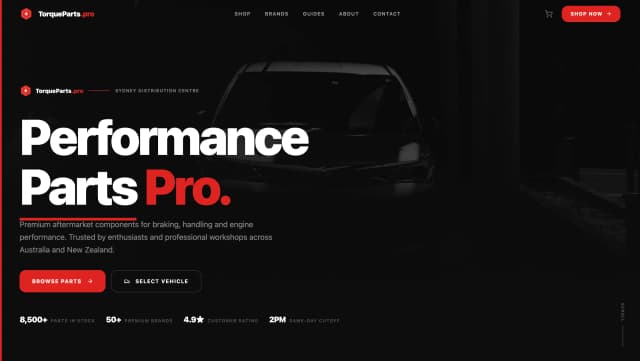
TorqueParts.pro - Performance Auto Parts Marketplace
Full-stack e-commerce marketplace for the Australian aftermarket auto parts market with structured catalog logic, checkout flows, and market-specific compliance UX.

Cheese Caves - Artisan Cheese Subscription & Commerce Platform
Premium subscription and e-commerce platform for curated European artisan cheese deliveries, combining recurring plans, one-time orders, and editorial product education.

Arbor - B2B Service Marketplace for Independent Consultants
Editorial-tech marketplace connecting startups with independent senior consultants through structured matching, contracts, payments, dashboards, and expertise-driven acquisition pages.

Renewable Energy Corporate Platform
Corporate platform for a renewable energy company covering solar, wind, storage, monitoring, and consulting through editorial case studies, interactive project storytelling, and product-grade motion design.
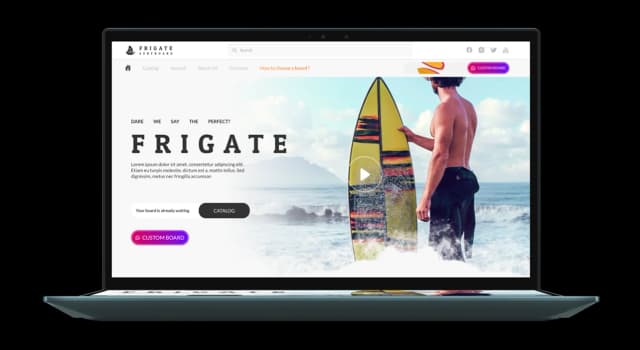
Frigate Surfboards
E-Commerce Platform for a Premium Surf Brand - Bringing craftsmanship and storytelling online.
FAQ
3–10 days depending on project size.
Yes — we can implement all improvements.
Yes, but Next.js is our strongest expertise.
Core Web Vitals are one of several factors influencing search rankings.
All measures and outcomes depend on your initial setup, technical architecture, and external factors. Specific results cannot be guaranteed.