

Clear separation of consulting, delivery, and specialization tracks
DevOps Services Hub
Selector for platform operations, CI/CD, Kubernetes, IaC, SRE, audits, and advisory tracks.
Overview
Use this selector to choose the right DevOps specialization before you commit to delivery or advisory work. Compare hands-on implementation, fixed-scope audits, Kubernetes platform work, CI/CD, infrastructure as code, SRE, and DevOps consulting. This page is navigation by scope, not an audit deliverable itself.
Benefits
Kubernetes and platform-centric services separated from broad DevOps work
Audit-first options for assessment and roadmap design
Focused service pages per discipline and operating scope
Navigation by intent instead of one-size-fits-all messaging
Selection
How to choose the right DevOps track
DevOps and cloud engagements fit different problems. Pick the track that matches whether you need to build, audit, optimise, or migrate.
Kubernetes platform work — Choose Kubernetes Consulting when workloads need to land on Kubernetes correctly — namespaces, networking, storage, scaling, and security.
CI/CD pipeline build-out — Choose CI/CD Setup Services when delivery is slow, fragile, or manual and the team needs reliable pipelines with quality gates and reproducible builds.
Cloud migration — Choose Cloud Migration Services when workloads must move from on-premise or another cloud and the migration needs a defined end-state, cost model, and cut-over plan.
Infrastructure as code — Choose IaC Services when infrastructure is configured by hand and needs to be reproducible, version-controlled, and reviewable through Terraform or Pulumi.
Reliability and observability — Choose SRE Consulting or Monitoring & Observability Setup when uptime, error budgets, alerts, and incident response need to operate as a system rather than tribal knowledge.
Independent infrastructure audit — Choose DevOps Infrastructure Audit when leadership needs an outside read on cost, security, reliability, and operational maturity before a roadmap commitment.
Audience
Who this hub is for
For product teams and engineering organizations that need better reliability, deployment speed, and cost control — from startups to enterprise. If you already know you need hands-on implementation, go directly to DevOps Delivery & Automation. If you need a fixed-scope diagnostic, start with DevOps & Infrastructure Audit. If you need decision support and governance first, start with DevOps Consulting.
How we start
Every engagement begins with an Architecture Sprint
Five working days. One senior engineer. A clear map of system boundaries, scaling risks, stack decisions, and a delivery roadmap — before a single line of production code.
5 days
Fixed scope, fixed price
1 senior engineer
Named from day one
Reduced risk
Rewrite risk lowered before the build
- 01Day 1
Discovery: domain, constraints, growth targets
- 02Day 2
System mapping: services, data, integrations
- 03Day 3-4
Stack decisions and risk model
- 04Day 5
Roadmap & costed delivery plan
Next step
Ready to start with architecture, not features?
Five days. One senior engineer. A clear path forward.
Book Architecture Sprint
Or talk to us first Get in touch
Services by Scope & Intent
Services by Scope & Intent
Each service addresses a specific DevOps challenge
Featured cases
See full case libraryFounder-relevant case studies
Enterprise-Grade Foundations
Vulken FM
Inspection & Asset Management Platform - Internal survey and compliance system for facilities management with mobile inspection app and web-based admin platform.
React NativeReactNode.js+1

Startup Engineering
PlayDeck - Powering Telegram's Gaming Ecosystem
How we built the backend architecture for Telegram's fastest-growing gaming platform.
JavaSpring BootPostgreSQL+1
Startup Engineering
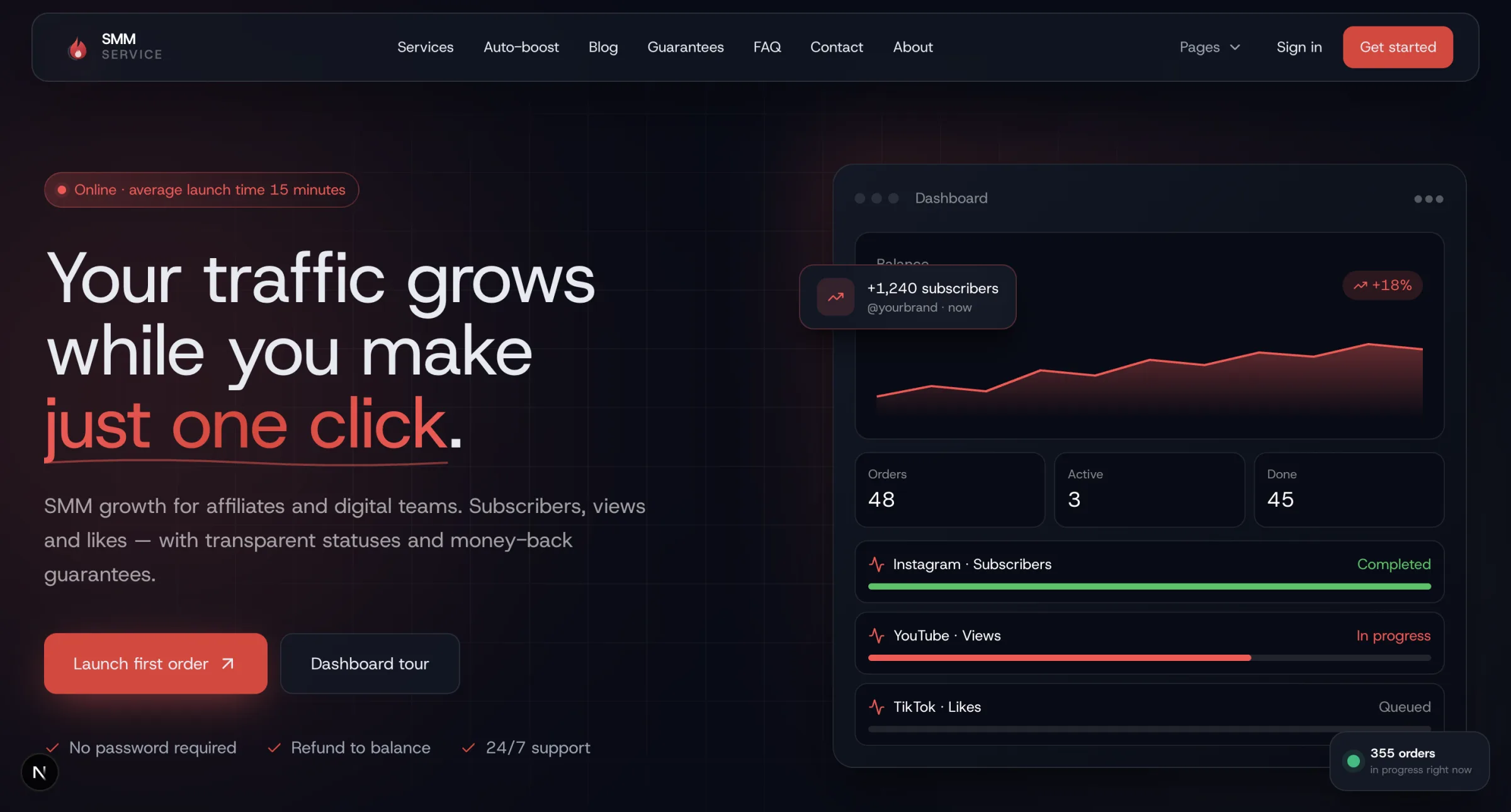
Creator Marketing Platform - Engagement Services Marketplace
End-to-end engineering for a multi-tenant creator marketing platform: Java Spring backend, Next.js dashboard, admin console, and a provider-aggregated catalog of 1,200+ services across thirteen platforms.
Java 21Spring Boot 3PostgreSQL+4
Startup Engineering
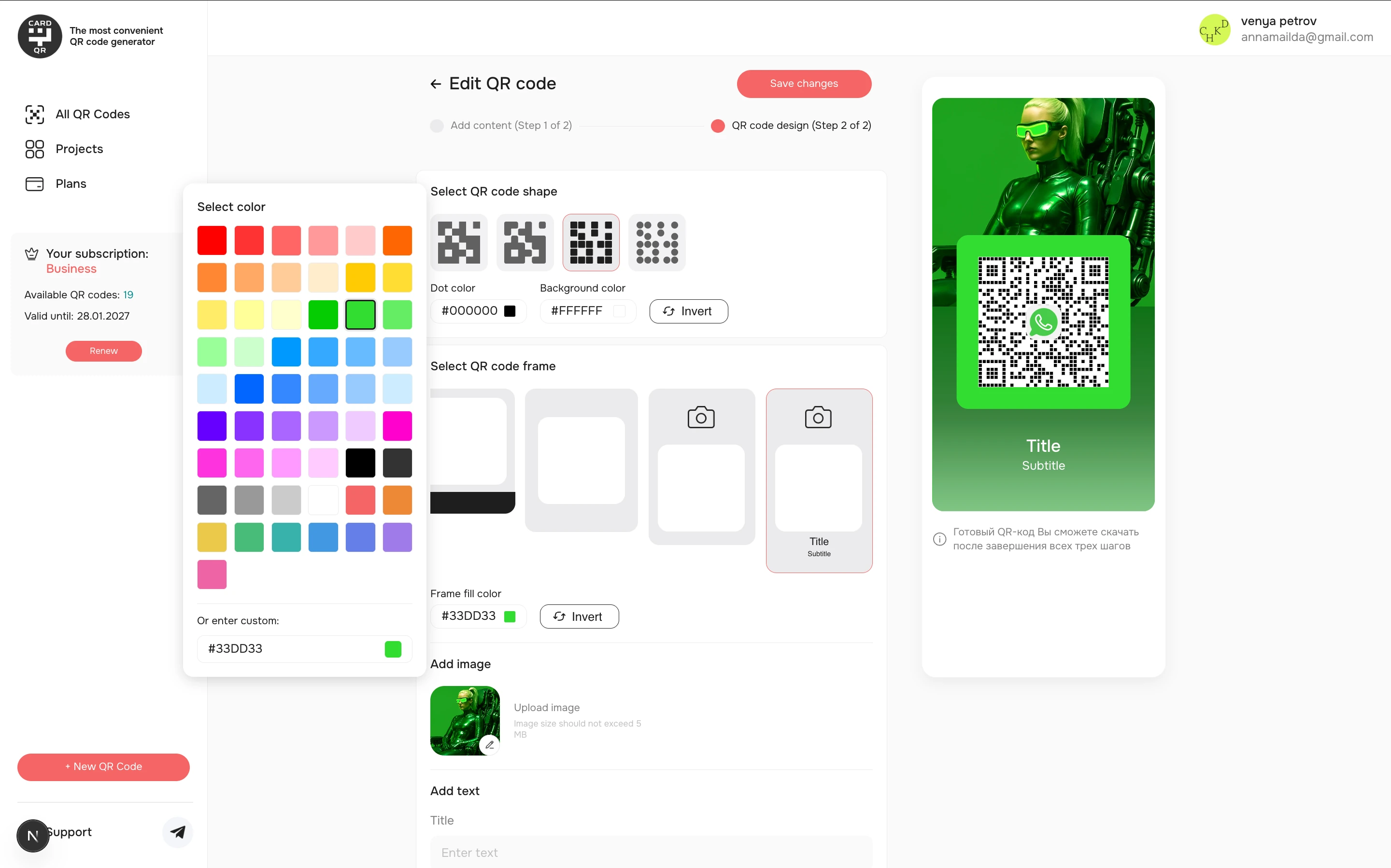
Web Page Generator - SaaS Platform for Dynamic Web Pages
Full-scale SaaS web application for creating and managing dynamic web pages connected to QR codes and custom URLs.
Next.js 16React 19TypeScript+3

Digital Experience & Brand Systems
Forschungsmittel.com
B2B funding website and connected product platform with client dashboard, team workspace, document workflow, and operational command center.
Next.jsNeon PostgresClient Dashboard+1
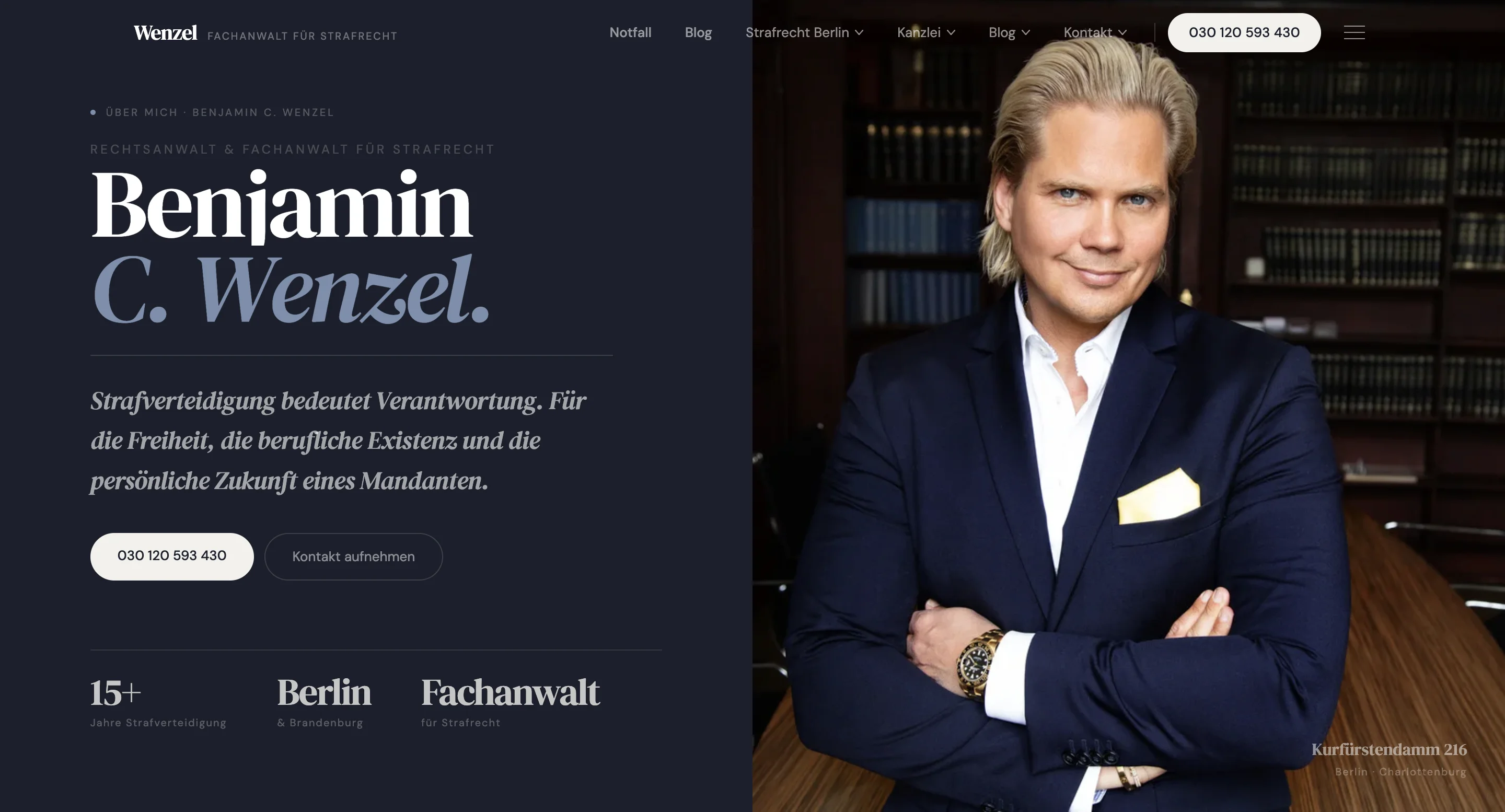
Digital Experience & Brand Systems
Benjamin C. Wenzel - Legal-Tech Criminal Defense Platform
Custom-built criminal defense platform with public authority site, digital intake, secure client portal, internal case operations, billing, and audit-ready workflow logic.
Next.jsNeon PostgresPrisma+1

Enterprise-Grade Foundations
EventStripe
Event Management & Payment Processing Platform - Scalable event ticketing and payment processing system.
Node.jsReactPostgreSQL+1

Startup Engineering
Matahari Hills - Bali Real Estate Project
Investor-facing real-estate platform combining premium UX, CRM, analytics, automation, and data-driven lead infrastructure for a Bali development.
Next.jsReactTypeScript+1
Related DevOps Services
Related DevOps Services
More DevOps & Cloud Engineering services from our portfolio
FAQ
Frequently asked questions
The hub spans Kubernetes platforms, CI/CD pipelines, cloud migration, infrastructure as code, observability, SRE practices, and infrastructure audits. The same engineering pod owns the engagement so platform decisions stay coherent across these areas.
Primary stacks are AWS, Google Cloud, and Hetzner; tooling is Kubernetes, Terraform, Pulumi, GitHub Actions, GitLab CI, ArgoCD, Helm, Prometheus, Grafana, and Datadog. We adapt to your existing stack rather than mandate a swap.
Yes. Cloud Migration Services covers cross-cloud and on-premise-to-cloud moves: target architecture, dependency mapping, cost model, migration waves, cut-over plan, and post-migration optimisation. Most migrations run in stages with no service interruption.
Metrics are tied to the track: deployment frequency and lead time for CI/CD work, MTTR and SLO error-budget burn for SRE, reproducible-deploy coverage for IaC, and cost-per-environment for migration. Targets are agreed upfront.
We typically deliver the system, document it, and hand it to your team. Ongoing support is available as a retainer when there is a clear scope — incident on-call, platform upgrades, monthly reliability reviews.
Explore more
Other service areas
Infrastructure scalability, availability, and performance depend on architecture, configuration, and operational context.