

Performance SEO
Core Web Vitals engineering for SEO stability: measure, prioritize, and implement performance improvements over time.
Performance SEO focuses on measurable speed and UX signals in real user conditions: LCP, INP, CLS, rendering efficiency, and long-term monitoring. This service is about performance engineering and continuous optimization. If your main issue is indexing, crawlability, metadata architecture, or App Router SEO logic, see Technical SEO for Next.js.
Ongoing engineering instead of a one-time audit: continuous Core Web Vitals optimization with monitoring and SEO-aligned goals.
Why Core Web Vitals Decide Rankings
Google evaluates performance based on real user data (CrUX), not lab tests. Core Web Vitals measure:
LCP (Largest Contentful Paint) — Perceived loading speed
INP (Interaction to Next Paint) — Real interaction latency
CLS (Cumulative Layout Shift) — Visual stability
Failing any of them reduces: crawl efficiency
Failing any of them reduces: ranking stability
Failing any of them reduces: conversion rate
Failing any of them reduces: AI snippet eligibility
Our Approach: Performance SEO as Engineering
Real-World Performance Analysis (Not Lighthouse Only)
- We analyze:
- field data (CrUX, GA4, RUM where available)
- device and network distributions
- page-type performance differences
- interaction bottlenecks (INP)
- This avoids "green Lighthouse / red Google" situations.
LCP Optimization (Above-the-Fold Control)
- We engineer:
- server-side rendering & streaming strategies
- critical rendering path reduction
- image prioritization & formats
- font loading strategies
- server & edge response optimization
- Result: predictable LCP under real traffic.
INP Optimization (JavaScript & Interaction Control)
- INP is now the hardest metric.
- We fix:
- long tasks
- hydration bottlenecks (React / Next.js)
- event handler overload
- main-thread contention
- unnecessary re-renders
- This is not achievable via plugins — only via code-level engineering.
CLS Stability (Layout Guarantees)
- We eliminate:
- layout shifts from images, fonts, ads, embeds
- hydration mismatches
- late-loaded UI elements
- unstable dynamic components
- Stable layout = higher trust signals.
Performance-Safe SEO Architecture (Next.js Focus)
- We specialize in modern stacks:
- Next.js 14/15 (RSC, streaming, App Router)
- React 18/19
- Edge caching strategies
- metadata streaming safety
- avoiding SEO-breaking optimizations
- Performance must never break indexing.
What You Get
Who This Is For
Need diagnosis first?
If you still need baseline measurement and prioritization, start with the Core Web Vitals Audit.
Founder-Relevant
Case Studies

Forschungsmittel.com
B2B funding website and connected product platform with client dashboard, team workspace, document workflow, and operational command center.

Benjamin C. Wenzel - Legal-Tech Criminal Defense Platform
Custom-built criminal defense platform with public authority site, digital intake, secure client portal, internal case operations, billing, and audit-ready workflow logic.
Vulken FM
Inspection & Asset Management Platform - Internal survey and compliance system for facilities management with mobile inspection app and web-based admin platform.

PlayDeck - Powering Telegram's Gaming Ecosystem
How we built the backend architecture for Telegram's fastest-growing gaming platform.
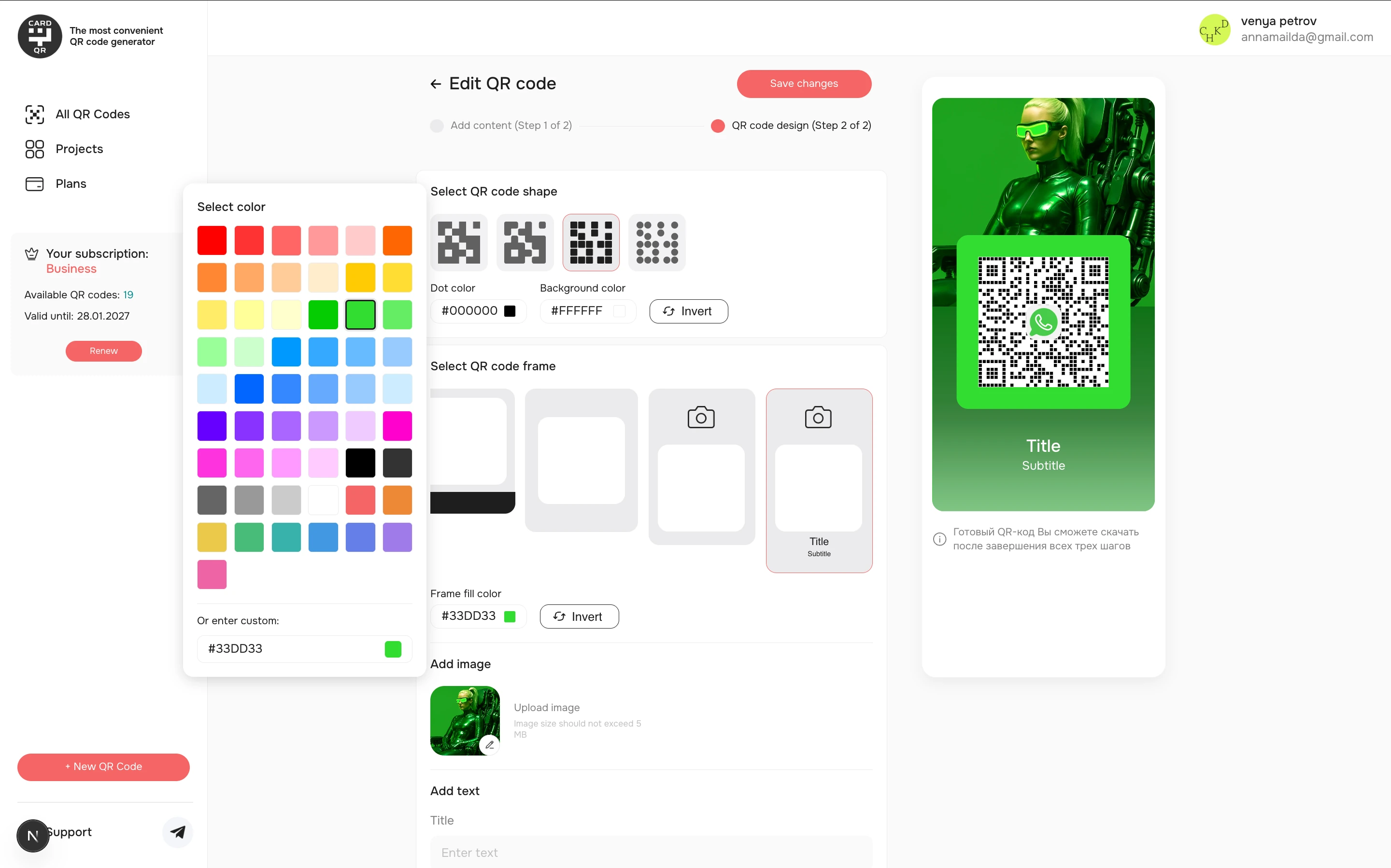
Web Page Generator - SaaS Platform for Dynamic Web Pages
Full-scale SaaS web application for creating and managing dynamic web pages connected to QR codes and custom URLs.

EventStripe
Event Management & Payment Processing Platform - Scalable event ticketing and payment processing system.
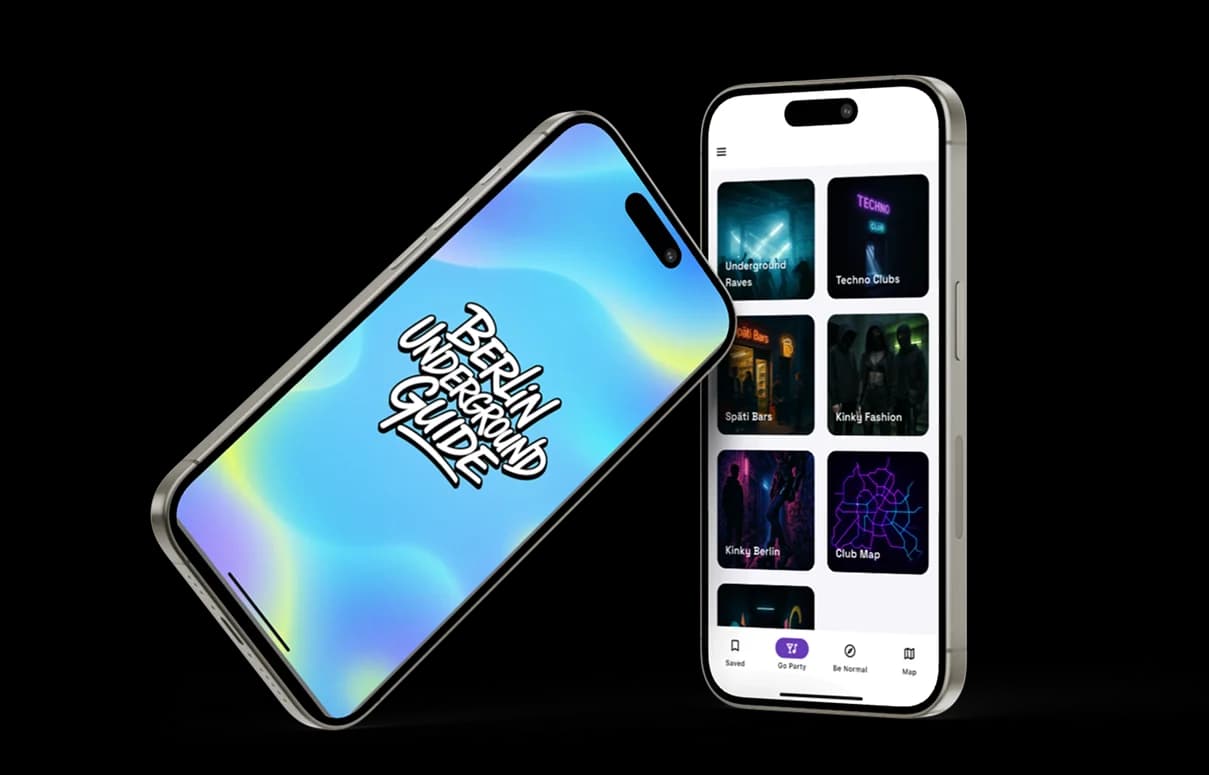
Berlin Guide App
Discover the City Behind Closed Doors - A curated mobile guide to Berlin's underground culture, built for locals, not tourists.
FAQ
Performance SEO focuses specifically on Core Web Vitals (LCP, INP, CLS) as ranking factors, not just user experience. We optimize for real user conditions (CrUX data), ensure performance doesn't break SEO (e.g., no content loss during streaming), and maintain long-term ranking stability. General performance optimization often ignores SEO implications.
INP measures real interaction latency, which depends on JavaScript execution, React hydration, event handlers, and main-thread contention. Unlike LCP (which is mostly about resource loading), INP requires code-level engineering — optimizing React components, reducing long tasks, managing event handlers, and avoiding unnecessary re-renders. Plugins cannot fix INP.
Yes — this is critical. We ensure that performance optimizations (streaming, code splitting, lazy loading) don't break indexing, metadata, or structured data. We avoid optimizations that hide content from crawlers, break canonical URLs, or cause schema loss during hydration. Performance and SEO must work together, not against each other.
A Performance SEO audit takes 1-2 weeks. Full optimization (LCP, INP, CLS fixes, Next.js-specific work) typically takes 4-8 weeks depending on site complexity and current performance state. We prioritize fixes that have the biggest impact on both performance and rankings.
Yes — Lighthouse scores don't always reflect real user conditions (CrUX). We analyze field data to identify gaps between lab and real-world performance. Many sites have "green Lighthouse / red Google" situations where real users experience poor performance despite good lab scores.
Performance SEO and Core Web Vitals optimization for companies operating production websites. We support organizations with Core Web Vitals optimization, performance analysis, and SEO performance based on the specific technical and regulatory context of each project. All services are delivered individually and depend on system requirements and constraints.