
01
SaaS products and client portals
Applications with authentication, roles, data and recurring workflows: · Multi-tenant systems · Dashboards and administration · Billing and integrations
Technology selection and delivery shaped around the product, data, team and long-term operations
The right decision depends on the system and the team that will own it
Applications with authentication, roles, data and recurring workflows: · Multi-tenant systems · Dashboards and administration · Billing and integrations
A constrained first release with documented system boundaries: · Real users and data · Extendable modules · Clean technical handover
Interfaces for operating teams and existing business systems: · Role-based workspaces · CRM and API connections · Traceable data flows
Websites, catalogues and platforms with editorial ownership: · Crawlable output · CMS and approvals · Forms and CRM handoff
Product goals, data, integrations, security and operating requirements are clarified together.
We compare suitable architectures, including provider dependency, migration path and the capabilities of the owning team.
Selected components, rejected alternatives, risks and open assumptions are recorded clearly.
Deployment, tests, monitoring, documentation and responsibilities are checked against the agreed scope.
A modern web stack is good when it fits the current need and can be understood, operated and changed by the next team.
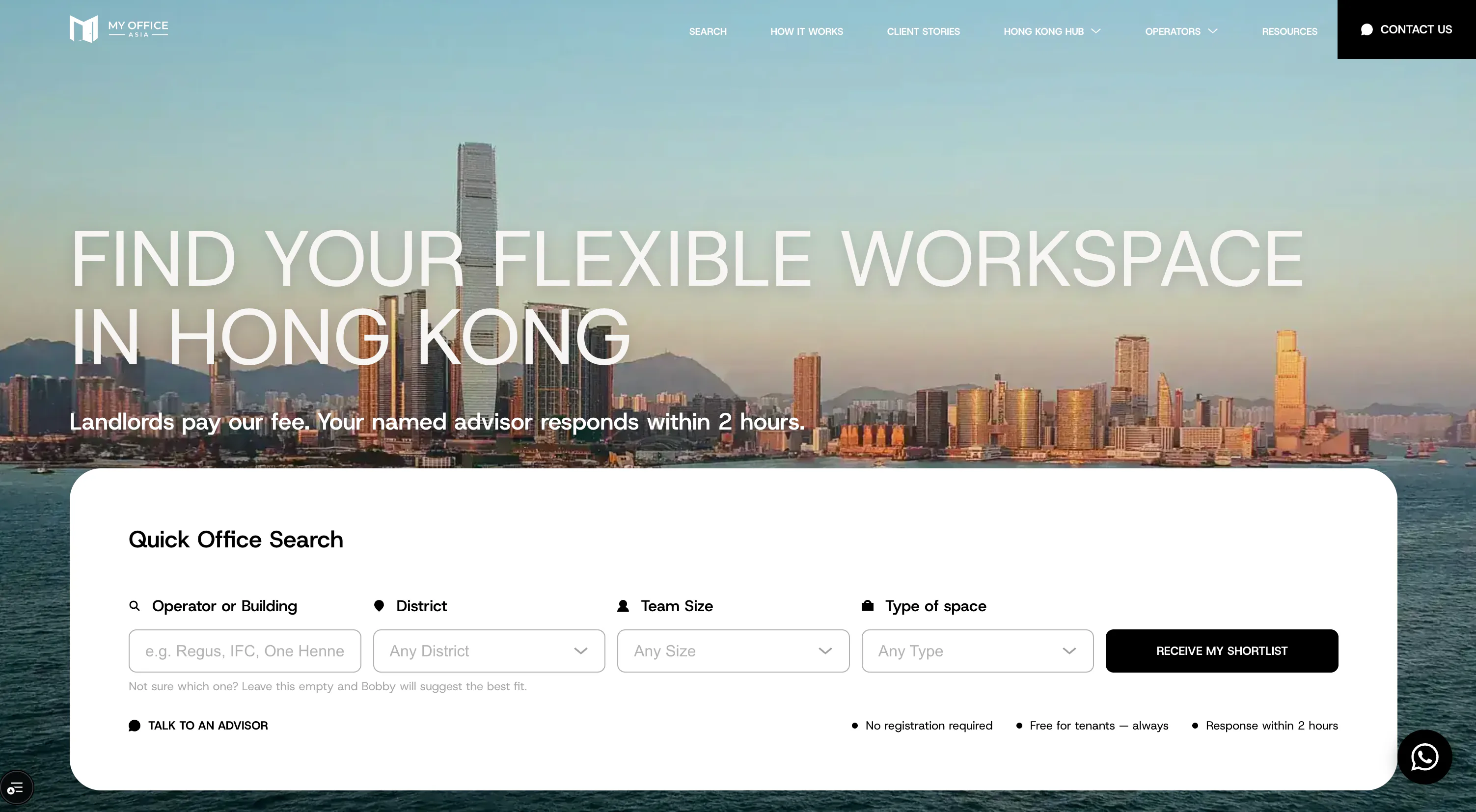 Digital Experience & Brand SystemsMy Office Asia - Flex Workspace Brokerage with Admin CMSBrokerage platform for Hong Kong's flex-office market with editorial catalogue, advisor positioning, white-label-ready architecture and a custom admin with AI-assisted editorial helper.Read case study
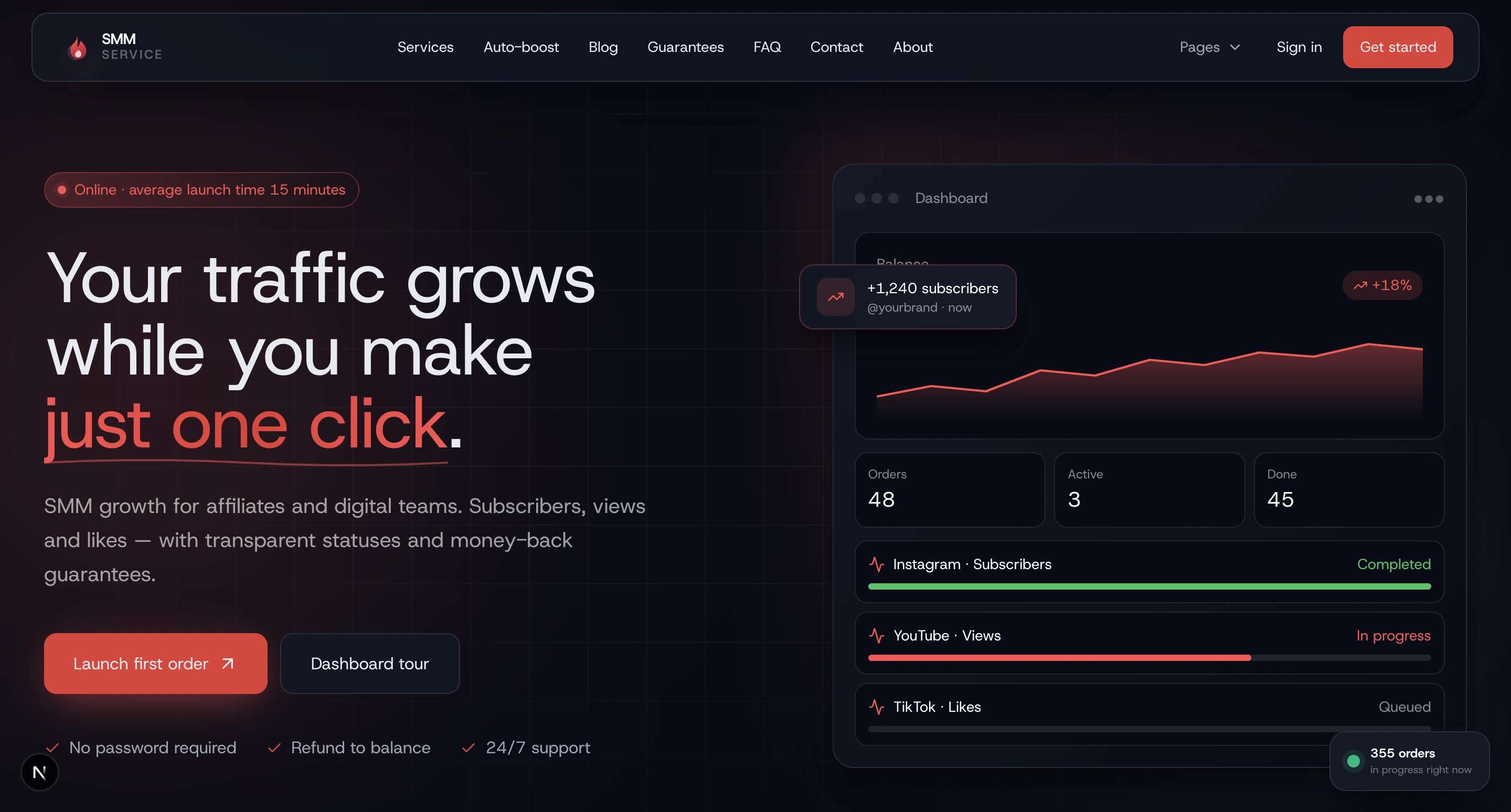 Startup EngineeringCreator Marketing Platform - Engagement Services MarketplaceEnd-to-end engineering for a multi-tenant creator marketing platform: Java Spring backend, Next.js dashboard, admin console, and a provider-aggregated catalog of 1,200+ services across thirteen platforms.Read case study
No. These are options, not a fixed bundle. We use them only when rendering, data model, access rules, hosting and the capabilities of the owning team make them appropriate.
It can be. Before use we review data region, row-level security, backups, recovery, operating ownership and the exit path. Production readiness does not come from the platform choice alone.
Often yes. We review system boundaries and replace only the parts where benefit and risk justify migration. A full rebuild is not automatically the right answer.
We document data categories, processors, regions, access rules and deletion paths. EU hosting can be part of the technical design; legal assessment remains with your privacy or legal advisers.
That is clarified before choosing technology. Documentation, deployment, environments and responsibilities are planned so an internal or another qualified team can take over.
It describes our technical decision framework. Delivery runs through the suitable service — such as startup MVP, custom software, frontend or backend — so there is no parallel offer with the same scope.
From product idea to production system — we help you define, build and hand over software your team can run.