

Mechanical Engineering
This is a system architecture prototype created to model infrastructure logic, compliance structure, and operational control layers.
Enterprise-grade governance architecture for interdisciplinary mechanical engineering projects — covering structured project architecture, portfolio intelligence systems, stakeholder qualification frameworks, regulatory compliance governance, and digital authority infrastructure.
Five system intelligence models that demonstrate how we structure and govern engineering projects.
What this cluster proves
A structured governance framework for interdisciplinary mechanical engineering environments — spanning project architecture design, stakeholder qualification logic, compliance control systems, and digital authority infrastructure. Each model reduces execution ambiguity, enforces approval discipline, and enables auditable, repeatable project delivery.
Project Architecture
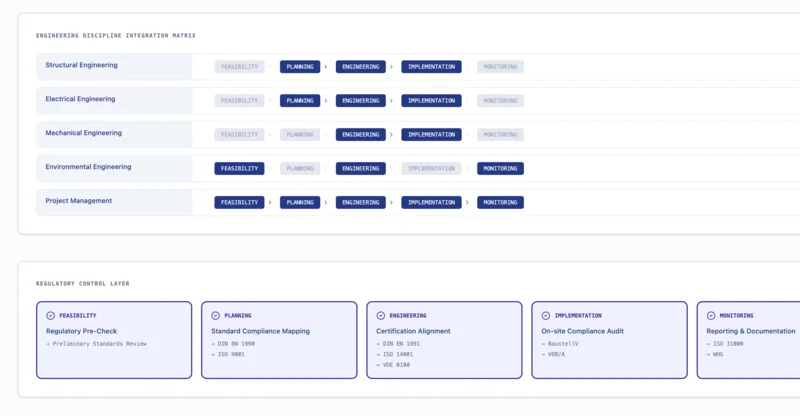
Interdisciplinary Project Architecture Map
Phase-based delivery logic with gated approval milestones, cross-discipline integration matrix, regulatory overlay mapping, and dependency tracking across mechanical, structural, and electrical layers
Project Intelligence
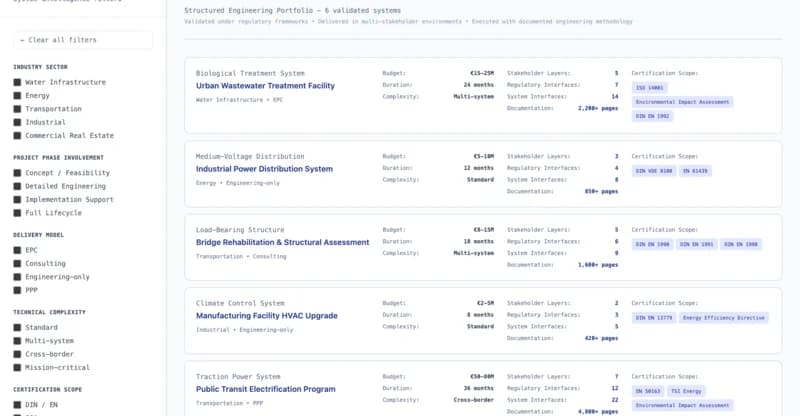
Engineering Project Intelligence System
Structured portfolio taxonomy, regulatory interface mapping, stakeholder segmentation layers, documentation density tracking, and milestone-based evidence architecture
Stakeholder Qualification
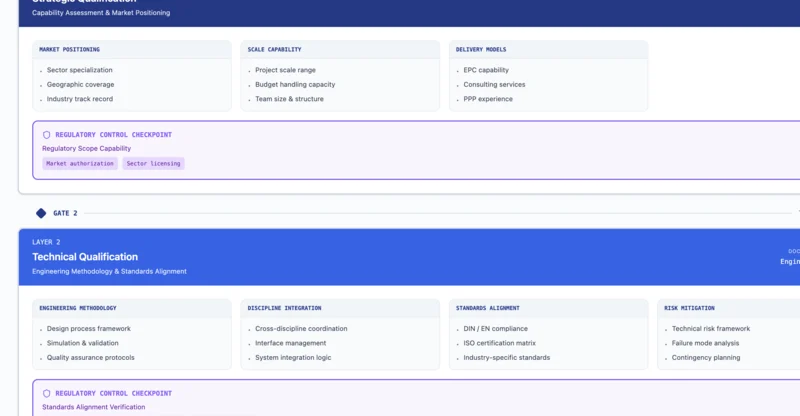
Engineering Decision & Stakeholder Qualification
Multi-stage qualification framework with decision-gate validation, evidence depth scoring, access-level segmentation, and accountability mapping across engineering roles
Compliance Governance
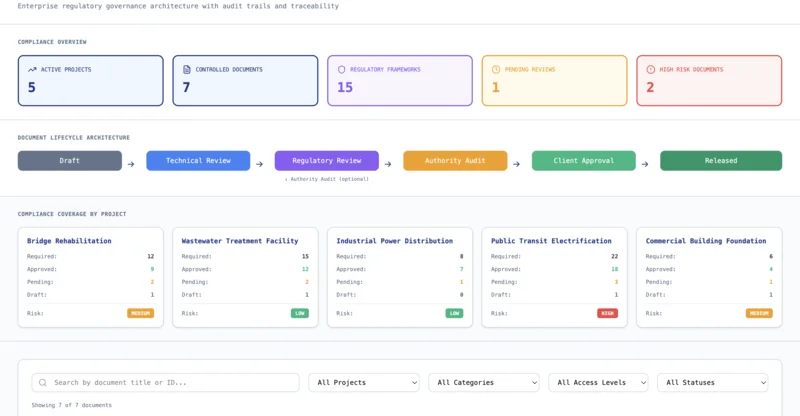
Engineering Compliance Governance System
Document lifecycle orchestration, regulatory coverage matrix, controlled document registry, audit trail logic, and authority sign-off checkpoints
Authority Growth
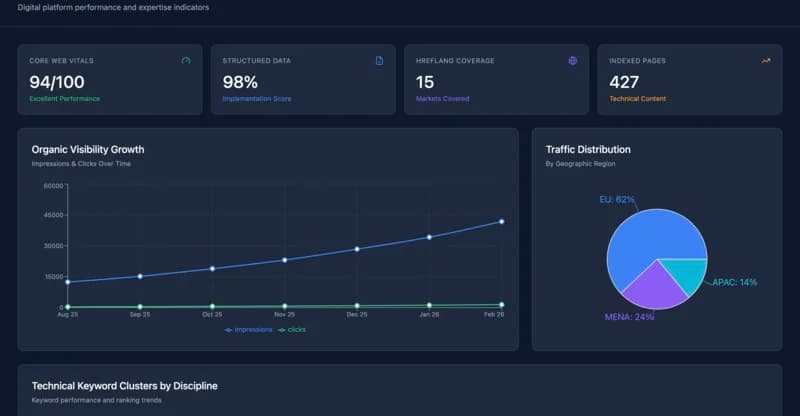
Authority Growth & Visibility System
Digital authority architecture including structured data coverage, discipline-segmented knowledge clusters, technical performance governance (Core Web Vitals), and internal entity graph density
Application Examples
These governance models are applied in real-world interdisciplinary engineering environments:
- Multi-discipline industrial retrofit involving HVAC, structural reinforcement, and electrical modernization across 3 sites
- Pharmaceutical production facility: mechanical systems integration, compliance documentation orchestration, and regulatory audit readiness
- Energy infrastructure project: mechanical, structural, and electrical layers with stakeholder qualification frameworks and gated approval milestones
Each model reduces integration risk, improves execution discipline, and ensures regulatory readiness before implementation begins.